
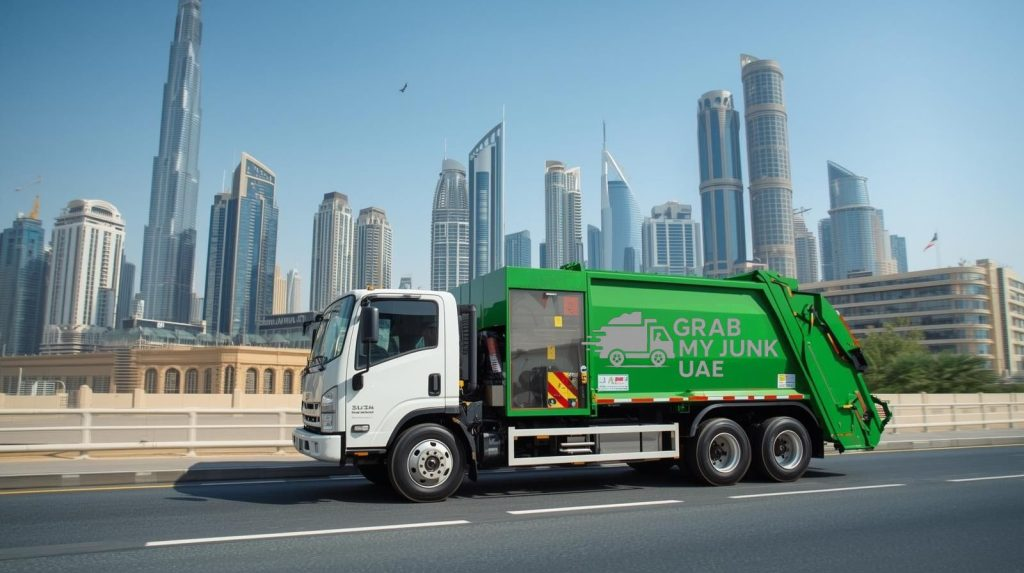
Understanding garbage collection rules in the UAE is crucial for residents and businesses alike. With the rapid growth of cities and increasing waste generation, adhering to these regulations not only helps in maintaining cleanliness but also fosters a sustainable environment. This article dives deep into the garbage collection rules in the UAE, exploring their importance, implementation, and how you can comply effectively.
Why Garbage Collection Rules Matter in the UAE
Garbage collection rules in the UAE are designed to address the challenges posed by urbanization and population growth. As cities expand, so does the volume of waste generated. Proper waste management is essential for several reasons:
Environmental Protection: Effective garbage collection reduces pollution and conserves natural resources. By following these rules, residents contribute to a cleaner environment.

Public Health: Improper waste disposal can lead to health hazards. The regulations aim to minimize risks associated with waste-related diseases.
Aesthetic Appeal: Clean streets and neighborhoods enhance the beauty of cities, creating a more pleasant living environment.



Understanding these rules empowers residents and businesses to play their part in fostering a sustainable community.
Key Garbage Collection Rules in the UAE
Navigating the garbage collection rules in the UAE can seem daunting due to the variety of guidelines and regulations that differ from emirate to emirate. Here’s a breakdown of some of the most important rules to keep in mind:
Waste Segregation is Essential
One of the foremost rules in garbage collection is the segregation of waste. In the UAE, residents are encouraged to separate their waste into different categories, such as:
Recyclables: Items such as paper, plastic, glass, and metals.
Organic Waste: Food scraps and garden waste that can be composted.
General Waste: Non-recyclable and non-organic items.
This practice not only simplifies the recycling process but also helps in better waste management.
Adherence to Collection Schedules
Each emirate has specific garbage collection schedules that residents must adhere to. It’s vital to know when your area is serviced to avoid missed collections. Keeping your waste out on the designated days ensures a cleaner neighborhood and prevents unpleasant odors or pest issues.
Proper Disposal of Hazardous Waste
Hazardous waste, such as batteries, electronic waste, and chemicals, requires special handling. The UAE has specific guidelines on disposing of such items to prevent environmental contamination. Residents should look for designated collection points or special disposal events organized by local authorities.
Penalties for Non-Compliance
Failure to comply with garbage collection rules can lead to penalties. Local authorities may impose fines for improper disposal or littering. Being aware of these penalties not only saves you from unexpected costs but also encourages responsible waste management practices.
How Residents Can Contribute to Better Waste Management
As residents, you have a significant role in ensuring effective garbage collection. Here are some practical ways to contribute:
Educate Yourself and Others: Understanding the garbage collection rules in the UAE empowers you to educate family and friends, fostering a community of responsible waste managers.
Participate in Local Clean-up Initiatives: Many communities organize clean-up drives. Participating in such events not only helps the environment but also strengthens community bonds.
Utilize Recycling Facilities: Take advantage of recycling bins and centers available in your area. This small effort can lead to substantial positive impacts on waste reduction.
The Role of Businesses in Waste Management
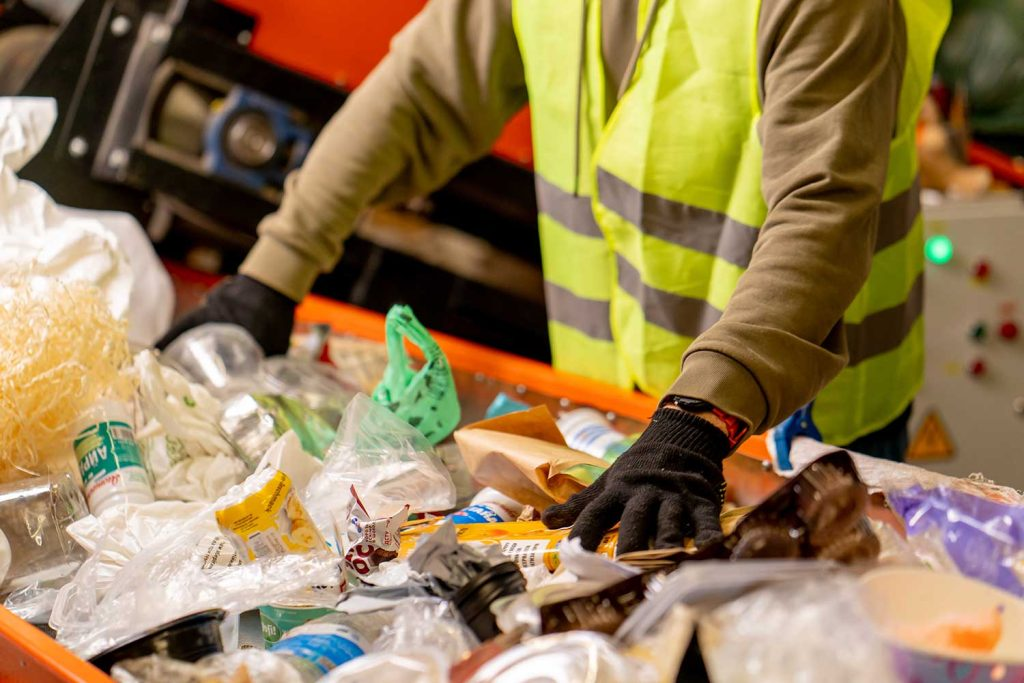
Businesses also play a crucial role in adhering to garbage collection rules in the UAE. Here’s how they can contribute:
Implement Effective Waste Management Policies
Businesses should develop clear waste management policies that align with local regulations. This includes training staff on proper waste segregation and disposal methods.
Collaborate with Local Authorities
Establishing partnerships with local waste management authorities can lead to enhanced waste management strategies. Businesses can benefit from expert guidance on best practices and compliance.
Promote Sustainability Initiatives
Encouraging sustainable practices within the workplace not only helps in complying with garbage collection rules but enhances brand reputation. Initiatives such as reducing single-use plastics and promoting recycling can attract environmentally conscious consumers.
Future of Garbage Collection in the UAE
As the UAE continues to grow, the garbage collection rules are likely to evolve. The government is increasingly focusing on sustainability, which may lead to more innovative waste management solutions. Future initiatives could include:
Smart Waste Management Systems: Utilizing technology to optimize collection routes and reduce operational costs.
Increased Recycling Programs: Expanding recycling facilities and programs to encourage higher participation rates among residents and businesses.
Community Engagement: Enhancing efforts to educate the public about the importance of responsible waste management.
Conclusion: Embracing Garbage Collection Rules for a Greener UAE
Understanding and adhering to garbage collection rules in the UAE is a shared responsibility that benefits everyone. By following these regulations, residents and businesses can contribute to a cleaner, healthier environment. Embracing these practices not only enhances the aesthetic appeal of our cities but also supports the UAE’s vision for sustainability. Together, we can foster a culture of responsibility and care for our surroundings.
Do follow UAE Stories on Instagram
Read Next – Labour Contract Amendments in the UAE: What Employers Must Know