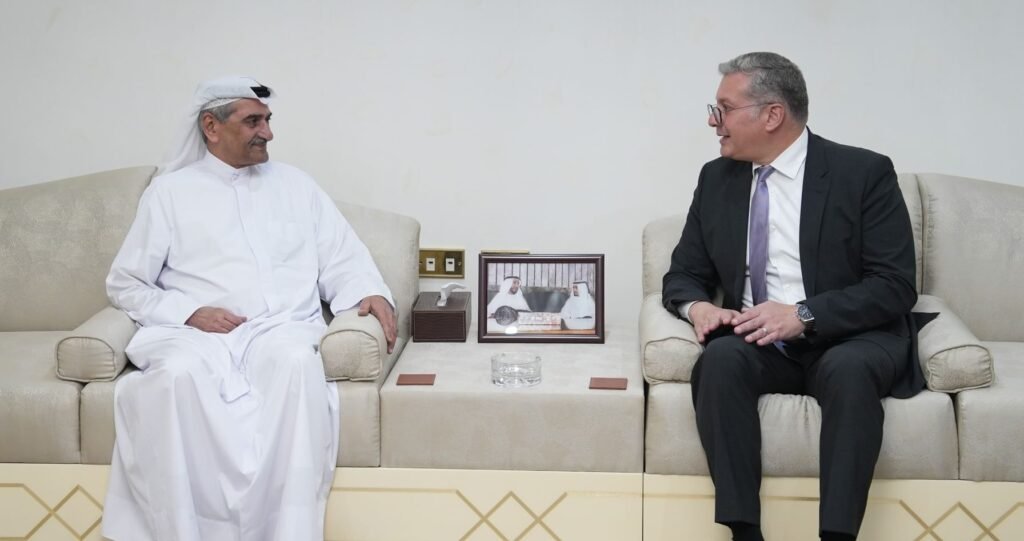
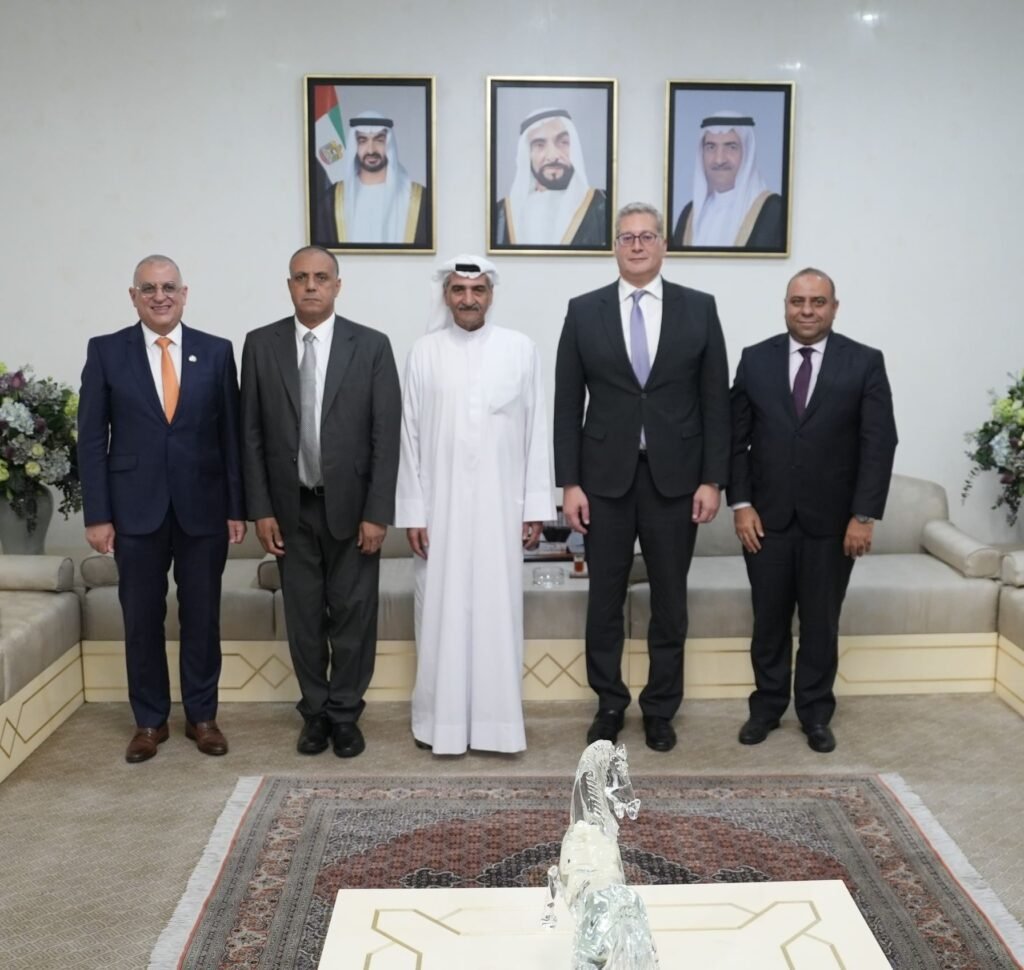
Fujairah Ruler Meets Egyptian Minister of Petroleum in a landmark meeting aimed at enhancing bilateral energy cooperation and expanding trade and investment opportunities. On a day marked by high level discussions, His Highness Sheikh Hamad bin Mohammed Al Sharqi, Supreme Council Member and Ruler of Fujairah, welcomed Eng. Karim Badawi, Egypt’s Minister of Petroleum and Mineral Resources, at Al Rumailah Palace. This meeting not only reinforced long standing diplomatic ties between the UAE and Egypt but also highlighted the shared vision of both nations for sustainable growth in the energy sector.
A Historic and Strategic Meeting
The gathering between the Fujairah Ruler and the Egyptian Minister of Petroleum was historic in its significance. It focused on strengthening collaboration in the energy sector, including oil, gas, and petroleum related industries. Sheikh Hamad highlighted the strategic importance of Fujairah as a global energy hub, noting its advanced infrastructure, strategic geographic location, and attractive investment environment. According to the ruler, these attributes position Fujairah as a key player in facilitating regional and international energy trade, making it an ideal partner for Egypt’s energy ambitions.
Minister Badawi expressed his appreciation for the warm reception and emphasized Egypt’s desire to deepen cooperation with the UAE in energy development. He praised Fujairah’s forward looking approach to energy management, including investments in technology, infrastructure, and sustainability practices. Both leaders acknowledged that collaboration between the two nations could yield mutual economic benefits, reinforce energy security, and create new opportunities for the private sector.

Strengthening Bilateral Energy Ties
During the meeting, the two sides signed a significant energy partnership and investment exchange agreement. This agreement is designed to promote joint ventures, collaborative energy projects, and the sharing of expertise between UAE and Egyptian entities. The initiative is expected to enhance economic ties and provide a structured framework for future energy collaborations, including oil trading, storage facilities, and technological exchange.
The agreement also reflects both nations’ commitment to sustainable development in the energy sector. By combining their strengths, Fujairah’s state of the art logistics and storage infrastructure and Egypt’s growing energy market, the partnership sets the stage for innovative energy solutions that align with global market trends. The signing ceremony included key officials from both countries, demonstrating the high level support for this collaboration.

Key Areas of Energy Cooperation
The discussions between the Fujairah Ruler and the Egyptian Minister of Petroleum focused on several strategic areas, including:
- Oil and Petroleum Trading
Fujairah has long been a pivotal hub for crude oil storage and trading. By expanding collaboration, both nations aim to enhance the efficiency of oil supply chains, streamline trade operations, and facilitate direct supply channels to meet Egypt’s domestic demand. - Energy Infrastructure Development
Plans for new infrastructure projects, such as expanding port facilities and storage terminals, were highlighted during the meeting. These projects aim to boost the handling capacity of crude oil and petroleum products, ensuring that the UAE and Egypt can maintain stable energy flows in the region. - Joint Ventures and Investments
The energy partnership agreement encourages joint ventures between UAE based companies and Egyptian counterparts. These ventures will leverage cutting edge technologies and expertise from both nations to create innovative solutions in energy production, storage, and distribution. - Technology and Knowledge Transfer
A critical aspect of the collaboration is the exchange of technological know how and expertise. Both sides emphasized the importance of utilizing advanced technologies in refining, storage, and logistics to improve efficiency, safety, and environmental sustainability in energy operations.
Economic Implications of the Partnership
The meeting between the Fujairah Ruler and the Egyptian Minister of Petroleum holds significant economic implications for both nations. Strengthened energy cooperation is expected to:
- Enhance Trade Volumes: By facilitating smoother and more efficient trading of petroleum products, both countries can expect an increase in trade volumes, boosting overall economic growth.
- Attract Foreign Investments: A robust partnership signals stability and potential in the energy sector, attracting foreign investors to explore opportunities in both UAE and Egypt.
- Create Jobs and Economic Opportunities: Infrastructure and energy projects will create employment opportunities, stimulate local economies, and promote entrepreneurship.
- Support Regional Energy Security: Collaboration ensures a more stable supply of energy resources in the region, reducing vulnerability to market fluctuations and external disruptions.
A Vision for Sustainable Energy Development
Both leaders emphasized the need to integrate sustainability into energy projects. In today’s global environment, energy cooperation is not just about production and trade it also involves reducing carbon footprints, adopting renewable energy solutions, and implementing environmentally friendly practices. Fujairah and Egypt are exploring opportunities to incorporate renewable energy sources, such as solar and wind power, into their energy strategies, complementing traditional oil and gas operations.
By prioritizing sustainability, the partnership aims to set a benchmark for responsible energy development in the Middle East, balancing economic growth with environmental stewardship.
The Role of Fujairah in Regional Energy Dynamics
Fujairah plays a vital role in global energy markets, serving as a central hub for the storage and transportation of crude oil and petroleum products. Its strategic location outside the Strait of Hormuz makes it a crucial node for energy logistics, ensuring the uninterrupted movement of oil supplies. By leveraging Fujairah’s facilities, Egypt can secure more reliable access to international energy markets, strengthening its position as a regional energy player.
The meeting underscored Fujairah’s ambition to expand its energy portfolio beyond storage and trading. Plans for refining, petrochemical production, and advanced logistics were discussed, demonstrating the emirate’s commitment to becoming a comprehensive energy hub.
Diplomatic and Regional Significance
Beyond economic and energy considerations, the meeting has a broader diplomatic significance. It reinforces the strong political and strategic ties between the UAE and Egypt, two nations with shared regional interests and a commitment to stability. By fostering closer cooperation in energy, the partnership also enhances broader bilateral relations, including trade, investment, education, and technology exchange.
The discussions also signal to regional and international partners that the UAE and Egypt are united in advancing sustainable economic development and energy security. This collaborative approach contributes to regional stability and strengthens the influence of both nations in global energy forums.
Future Prospects and Opportunities
The energy partnership between Fujairah and Egypt opens several avenues for future cooperation:
- Expansion of Port and Storage Infrastructure: Both nations plan to upgrade existing facilities and construct new terminals to handle increased volumes of crude oil and petroleum products.
- Joint Research and Innovation Projects: Research initiatives focusing on clean energy, efficiency optimization, and innovative logistics solutions are on the agenda.
- Training and Capacity Building: Programs for skill development and workforce training in energy technologies will empower professionals in both countries, ensuring sustainable growth in the sector.
- Renewable Energy Integration: Long term plans include integrating renewable energy sources into traditional petroleum operations, creating a diversified and resilient energy strategy.
By pursuing these initiatives, the UAE and Egypt aim to create a model of successful energy collaboration that balances commercial interests with sustainability and regional development.
Conclusion
The meeting between the Fujairah Ruler and the Egyptian Minister of Petroleum marks a milestone in UAE Egypt relations, emphasizing the importance of energy cooperation as a driver of economic growth and regional stability. By signing key agreements and outlining a vision for joint projects, both nations have set a strong foundation for sustainable energy development and mutual prosperity.
Fujairah’s strategic infrastructure, coupled with Egypt’s growing energy market, creates a powerful synergy that will enhance trade, attract investment, and strengthen regional energy security. As the partnership develops, it promises not only to benefit the UAE and Egypt but also to contribute to the broader stability and efficiency of global energy markets.
In an era where energy dynamics are evolving rapidly, the strengthened ties between Fujairah and Egypt ensure that both nations remain at the forefront of innovation, sustainability, and economic collaboration. This historic meeting serves as a testament to the enduring vision and commitment of both leaderships to achieve mutual growth, energy security, and long term prosperity.
Do follow UAE Stories on Instagram
Read Next – iPhone 17 Series: A Splash of New Colors in Dubai