Introduction: Protecting communities through advanced infrastructure
Flood control and stormwater infrastructure in the UAE play a critical role in protecting cities, communities, and essential services from the impacts of heavy rainfall and flash floods. As urban areas expand, managing water flow, preventing waterlogging, and safeguarding infrastructure have become priorities for sustainable development.
Through a combination of engineering innovation, urban planning, and smart technologies, the UAE is building resilient stormwater systems that ensure public safety, minimize property damage, and enhance the livability of cities.
Understanding flood control and stormwater management
Flood control involves measures to prevent or reduce the severity of floods, while stormwater management focuses on efficiently capturing, storing, and redirecting rainfall to reduce risks to urban areas. Effective systems combine drainage networks, retention basins, pumping stations, and natural solutions to manage water flow.

In the UAE, flood control strategies are integrated into city planning, infrastructure development, and climate adaptation initiatives.
The need for advanced infrastructure in UAE
The UAE’s arid climate is punctuated by occasional heavy rains, which can overwhelm urban drainage networks and cause flash floods. Rapid urbanization and expansion of impervious surfaces exacerbate water runoff, making flood management essential for public safety and economic stability.

Investments in stormwater infrastructure mitigate these risks, ensuring that cities remain functional and resilient during extreme weather events.
Government initiatives and strategic planning
The UAE government has prioritized flood control and stormwater management through national plans, infrastructure projects, and regulatory frameworks. Strategic planning includes identifying flood-prone areas, upgrading drainage networks, and implementing early warning systems.
Government agencies collaborate with engineers, urban planners, and environmental experts to design and execute resilient infrastructure projects.
Modern drainage networks
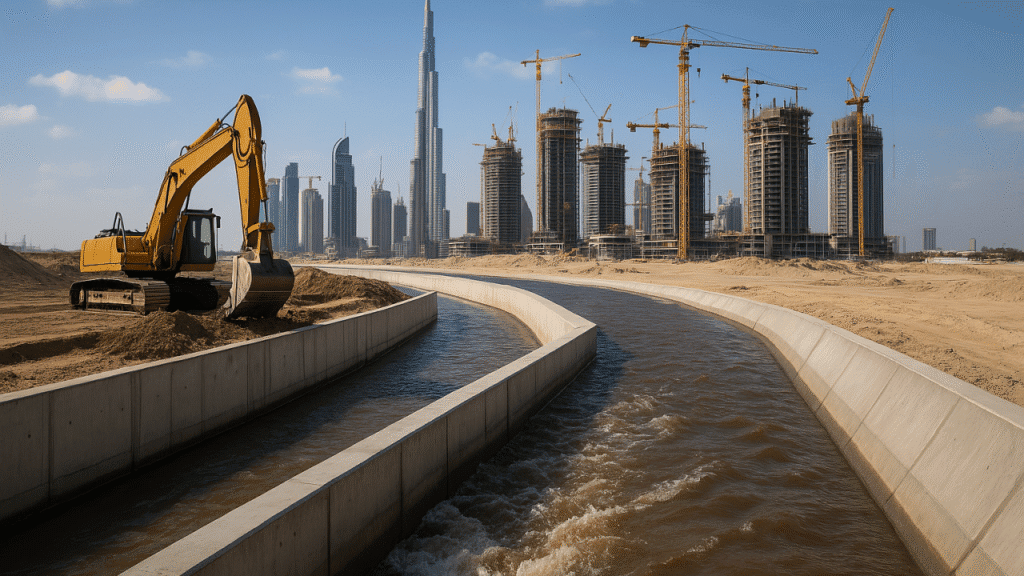
Modern drainage networks form the backbone of flood control infrastructure. The UAE invests in deep-tunnel drainage systems, underground conduits, and interconnected channels to efficiently redirect stormwater and prevent urban flooding.
These systems are designed to handle large volumes of water, minimize disruption to traffic, and protect residential and commercial areas from flood damage.
Retention basins and reservoirs
Retention basins and reservoirs temporarily store excess stormwater, reducing peak flow and preventing overflow into streets and neighborhoods. These structures also recharge groundwater and support water conservation efforts.
The UAE’s focus on sustainable water management ensures that stormwater infrastructure delivers both flood protection and resource efficiency.
Pumping stations and active water management
Pumping stations play a crucial role in flood control, moving water from low-lying areas to treatment facilities, canals, or natural reservoirs. Active water management ensures rapid response to heavy rainfall, reducing the risk of water accumulation in urban zones.
Automated pumping systems enhance efficiency, improve response times, and minimize property and infrastructure damage.
Smart city integration and real-time monitoring
The UAE integrates smart city technologies with stormwater infrastructure to monitor water levels, detect blockages, and predict flood risks. Sensors, data analytics, and AI-powered platforms enable authorities to respond proactively and optimize water management strategies.
Real-time monitoring enhances public safety, improves operational efficiency, and supports informed decision-making.
Coastal flood protection
In coastal cities, flood control infrastructure includes seawalls, levees, and tidal barriers to prevent inundation from storm surges and high tides. These measures complement inland drainage systems and protect critical infrastructure, residential areas, and economic hubs.
Coastal protection projects are aligned with climate adaptation strategies and long-term urban resilience planning.
Environmental and natural solutions
Nature-based solutions, such as mangrove restoration, green belts, and permeable surfaces, complement engineered infrastructure. Vegetation absorbs rainfall, reduces runoff, and enhances groundwater recharge, providing a sustainable and eco-friendly approach to flood management.
Combining engineered and natural solutions maximizes resilience while supporting biodiversity and environmental sustainability.
Urban planning and zoning regulations
Urban planning plays a pivotal role in flood risk mitigation. Zoning regulations restrict development in flood-prone areas, mandate elevated structures, and promote permeable pavements to reduce runoff.
Integrating flood control into urban design ensures long-term safety, functionality, and sustainable growth of cities.
Emergency preparedness and community awareness
Public awareness campaigns, early warning systems, and emergency response plans are essential for minimizing flood-related risks. Communities equipped with knowledge and resources can respond effectively to flash floods, protecting lives and property.
Education and drills foster a culture of preparedness and strengthen resilience across neighborhoods.
Climate adaptation and resilience
Flood control infrastructure in the UAE is closely linked with climate adaptation strategies. As extreme weather events become more frequent due to climate change, resilient stormwater systems help cities withstand and recover from rainfall-related hazards.
Infrastructure planning, combined with ecosystem management, ensures adaptive and sustainable urban development.
Financial and economic benefits
Investing in flood control and stormwater infrastructure delivers significant economic benefits. Reduced property damage, lower insurance claims, and minimized disruption to businesses and transportation networks contribute to financial stability.
Long-term investments in resilient infrastructure attract investors, support tourism, and enhance global competitiveness.
Public-private partnerships
Public-private partnerships accelerate the development of advanced flood management systems. Collaboration allows sharing of expertise, resources, and technology to implement large-scale projects efficiently.
Joint initiatives ensure comprehensive solutions that address engineering, environmental, and community needs.
Case studies: Successful flood mitigation projects
Several UAE projects showcase the effectiveness of modern flood control systems. Deep-tunnel drainage networks, smart pumping stations, and retention basins in major cities have successfully mitigated flash flood risks during heavy rainfall events.
These success stories highlight the importance of proactive planning, innovative design, and multi-stakeholder collaboration.
Risk assessment and hazard mapping
Accurate risk assessment and flood hazard mapping identify vulnerable areas, guiding infrastructure investments and emergency planning. Geographic Information Systems (GIS) and predictive modeling enable authorities to prioritize interventions and allocate resources effectively.
Data-driven decision-making ensures targeted, efficient, and impactful flood management strategies.
Integrating renewable energy with flood systems
Solar-powered pumping stations and energy-efficient drainage systems reduce operational costs while supporting sustainability. Integration of renewable energy ensures that flood control infrastructure is resilient, environmentally responsible, and aligned with national climate goals.
Energy-efficient systems enhance performance and minimize environmental impact.
Technology and innovation in stormwater management
Technological innovation plays a key role in improving flood control. AI-driven predictive models, IoT sensors, and automated control systems optimize drainage, monitor water levels, and detect potential failures.
Innovation ensures timely interventions, reduces risks, and strengthens urban resilience.
Health and social considerations
Effective flood control protects public health by reducing waterborne diseases, preventing water contamination, and ensuring access to essential services. Socially, resilient infrastructure protects vulnerable communities, safeguards livelihoods, and reduces displacement during extreme events.
Community well-being is a central consideration in designing stormwater systems.
Environmental sustainability and ecosystem impact
Flood control infrastructure is designed to minimize environmental impact and support natural ecosystems. Wetlands, green spaces, and permeable surfaces absorb stormwater, enhance biodiversity, and maintain ecological balance.
Sustainable design ensures that infrastructure delivers long-term environmental and social benefits.
Future trends in flood management
The future of flood control in the UAE includes greater integration of smart technologies, predictive analytics, and climate-resilient designs. Expansion of green infrastructure, automated water management, and adaptive urban planning will strengthen resilience against extreme weather.
These trends reflect a proactive approach to safeguarding communities, infrastructure, and economic growth.
Challenges and mitigation strategies
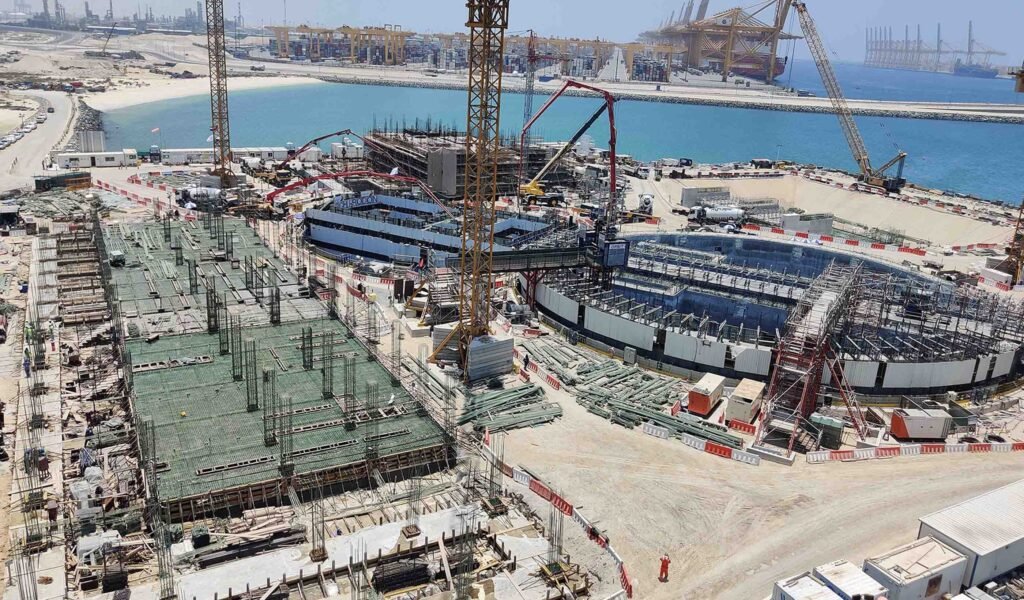
Challenges include extreme rainfall variability, urbanization pressures, and maintenance requirements. The UAE addresses these through innovative engineering, continuous monitoring, data-driven planning, and collaboration with international experts.
Proactive measures ensure flood management systems remain effective, adaptable, and sustainable over time.
International collaboration and knowledge sharing
The UAE collaborates with global experts, institutions, and technology providers to adopt best practices in flood control and stormwater management. International cooperation enhances innovation, efficiency, and the effectiveness of resilience measures.
Global engagement strengthens national capacity and ensures alignment with international standards.
Conclusion
Flood control and stormwater infrastructure in the UAE are central to building resilient cities and safeguarding communities against extreme weather events. By combining engineering innovation, nature-based solutions, smart technologies, and strategic planning, the UAE ensures long-term protection, sustainability, and economic stability.
Government initiatives, public-private partnerships, and community engagement enhance the effectiveness of flood mitigation strategies. Investments in resilient infrastructure reduce risk, protect public health, and support sustainable urban growth.
The UAE’s approach to flood control demonstrates a forward-looking commitment to safety, sustainability, and resilience. By continually innovating and integrating climate adaptation measures, the country sets a benchmark for urban water management in arid and rapidly developing regions.
Do follow UAE Stories on Instagram
Dubai’s Top Creative Studios You Must Visit in Al Quoz