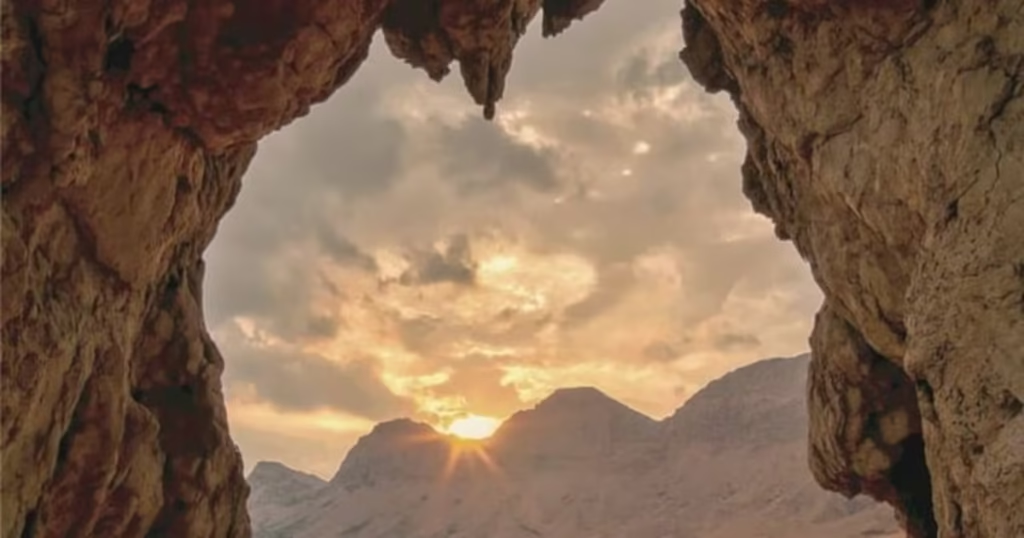
The Faya Palaeolandscape UNESCO World Heritage site is now officially on the global map. This ancient landscape in the United Arab Emirates (UAE), estimated to be around 200,000 years old, has recently been added to the UNESCO World Heritage List. This milestone marks a proud moment for the UAE and highlights the region’s deep, often overlooked, human history.
With this new addition, the UAE strengthens its place among nations dedicated to preserving humanity’s most significant cultural and natural treasures.
What is the Faya Palaeolandscape?
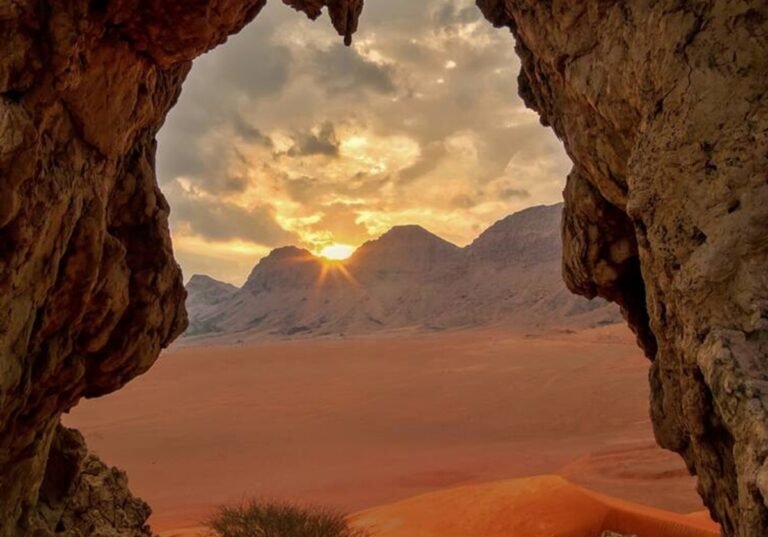
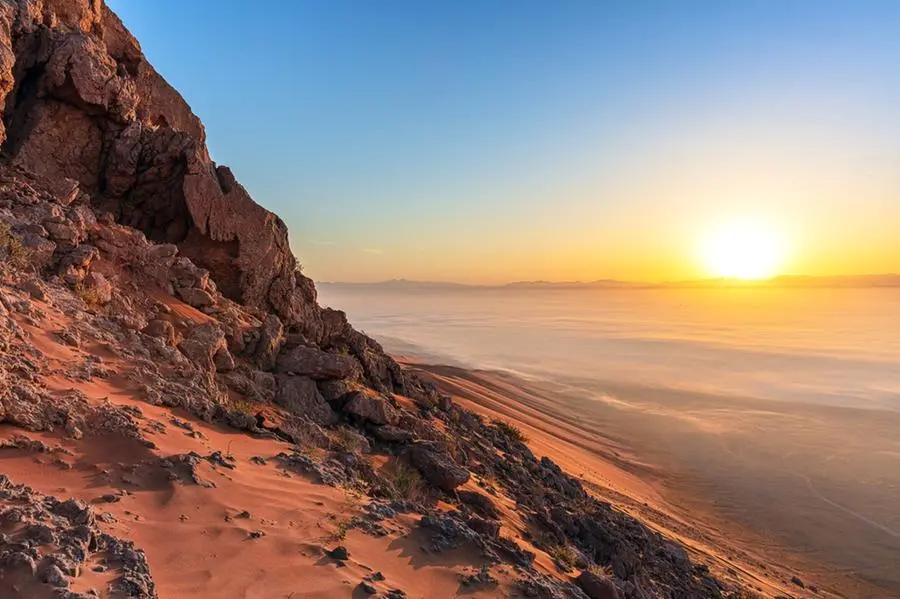
The Faya Palaeolandscape lies in the Al Madam area of Sharjah, UAE. The site is known for its ancient archaeological and geological importance. It contains evidence that early humans once traveled through and possibly settled in this part of Arabia during periods when the climate was much wetter than today.

Researchers believe the site offers proof of one of the earliest human migrations out of Africa. Artifacts such as stone tools, fossils, and old lakebed formations give a window into how humans adapted to different climates and environments long before recorded history began.
This makes the Faya Palaeolandscape a living storybook of early human resilience and adaptability.

Why is it so significant?
Being listed as a UNESCO World Heritage site is no small feat. Sites must meet strict criteria showing their outstanding universal value to humanity.
For the Faya Palaeolandscape, the reasons include:
- Archaeological richness. Tools and artifacts suggest advanced human behavior much earlier than previously thought.
- Unique geology. The area’s geological layers preserve a record of ancient lakes, rivers, and vegetated landscapes.
- Climate evidence. Provides critical information on how climate change influenced human migration patterns.
These factors together show that Faya is more than just a desert landscape. It is a vital chapter in the human story, showing how our ancestors survived and thrived during shifting environmental conditions.
Journey to UNESCO World Heritage Status
Achieving UNESCO World Heritage recognition is a long and careful process. It involves detailed research and documentation, years of fieldwork, mapping, and studying artifacts.
National and international collaboration played a big role, with archaeologists and scientists from around the world working with UAE authorities.
Protection plans were also developed to preserve the site for future generations. The UAE government, particularly the Emirate of Sharjah, played a key role in advocating for the site’s importance on the global stage. The inclusion of Faya Palaeolandscape showcases the country’s commitment to heritage and conservation, balancing rapid modernization with cultural preservation.
How does this affect the UAE?
The addition of the Faya Palaeolandscape to the UNESCO World Heritage List has multiple positive effects.
Tourism growth. Cultural and heritage tourism is on the rise worldwide. Being listed by UNESCO can attract visitors interested in ancient history and archaeology.
Educational opportunities. Schools and universities can use the site to teach about human evolution, climate adaptation, and early technology.
Global recognition. It positions the UAE as a custodian of world heritage, promoting a more diverse and inclusive national identity.
Conservation funding. Being a World Heritage site opens doors to international funding and expertise to help preserve and study the area.
What can visitors expect?
While not yet a mainstream tourist hotspot, the Faya Palaeolandscape promises an immersive experience for those who visit.
Highlights include ancient tools and fossils, where visitors can see evidence of some of the earliest human activities in the Arabian Peninsula.
There are also unique geological formations, with rock formations telling stories of ancient rivers and lakes.
Future plans aim to create interpretive centers and guided tours to explain the site’s significance in simple and engaging ways. However, due to its sensitive nature, the site will be carefully managed to ensure its preservation.
The science behind the discovery
The story of Faya is also a story of scientific curiosity and dedication. Over the past two decades, archaeologists have unearthed stone tools that resemble those found in East Africa. This discovery supports theories that early humans left Africa via multiple routes, one of which passed through Arabia.
Additionally, the site has helped challenge the idea that the Arabian Peninsula was always a harsh, dry desert. Geological studies show that there were once rivers and savannah-like landscapes, making it possible for humans and animals to move and thrive.
The evidence from Faya has played a key role in rewriting the migration story of Homo sapiens, showing that the Arabian Peninsula was not just a barrier but a bridge in our ancestors’ journey.
Other UNESCO World Heritage sites in the UAE
Faya joins a growing list of UAE sites recognized by UNESCO, including:
Cultural Sites of Al Ain, known for its ancient oases and Bronze Age tombs.
The historic Jumeirah Archaeological Site in Dubai, revealing Islamic-era settlements.
The pearling sites in Sharjah, reflecting the region’s maritime heritage.
Together, these sites tell a rich and varied story of the UAE’s cultural and natural history, extending far beyond its modern skyscrapers and futuristic cityscapes.
Looking ahead: Future preservation and research
With its new UNESCO status, Faya Palaeolandscape is expected to become a hub for continued research.
Some of the future plans include further excavations to uncover more evidence about early human lifestyles and migration patterns, as well as climate change studies to help scientists understand ancient climate shifts and their effects on human survival.
International collaborations with global universities and heritage organizations will also help share findings and preserve the site.
The UAE also aims to involve local communities, ensuring that people living nearby feel connected to and proud of their heritage.
A proud moment for the UAE
The inscription of Faya Palaeolandscape on the UNESCO World Heritage List is more than just an award. It is a recognition of the UAE’s long, often hidden, human story.
It proves that the region was not always a barren desert but once supported life, innovation, and migration. For Emiratis, it offers a deeper connection to their land, while for visitors, it adds a fascinating layer to the UAE’s identity.
Why does this matter to the world?
In an age where technological advancement often overshadows our roots, the Faya Palaeolandscape reminds us of humanity’s shared past. It shows us that our ancestors were explorers and survivors, much like we are today. Climate has always played a role in shaping human journeys. Ancient sites hold answers to modern challenges, including climate adaptation and migration.
By protecting and studying such sites, we keep our collective memory alive and learn lessons for the future.
Final thoughts
The Faya Palaeolandscape UNESCO World Heritage site represents a major victory for heritage conservation, archaeology, and cultural pride.
As it stands now among the world’s most precious places, Faya invites all of us to reflect on our ancient roots and the paths that led us here. Whether you are a history enthusiast, an archaeologist, a tourist, or simply a curious mind, the story of Faya connects us to an era long before modern cities and digital lives.
The UAE has given the world a new window into our shared human journey. And through UNESCO’s recognition, Faya will continue to inspire generations to come.
Do follow UAE Stories on Instagram
Read More: Dubai Police arrest INTERPOL suspects linked to Belgium crime