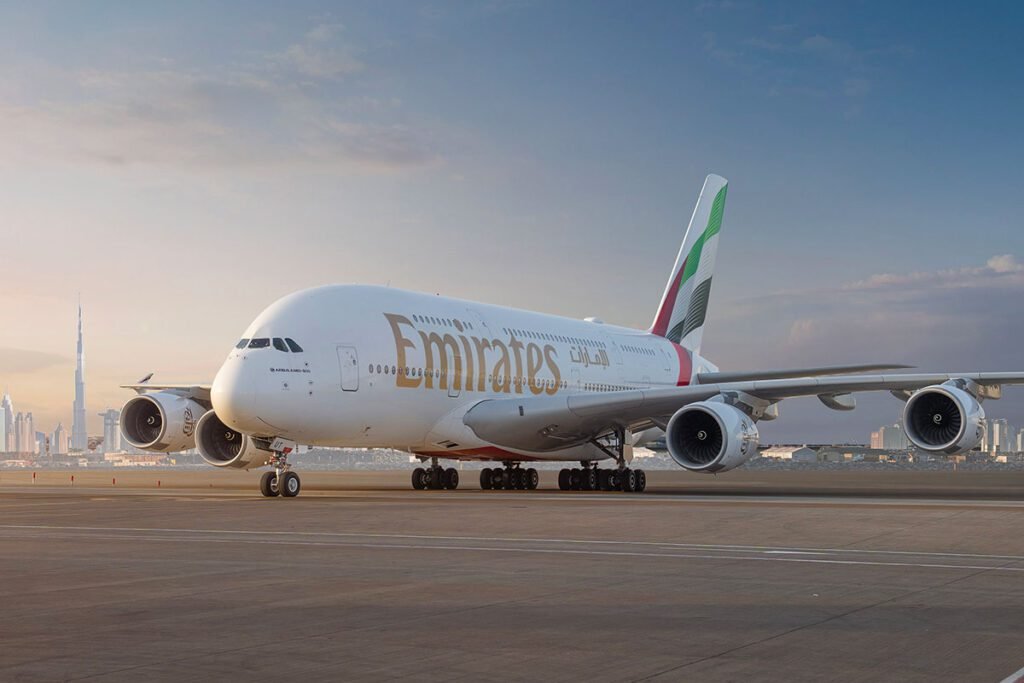
Emirates has announced that it will perform maintenance, repair, and overhaul for the Rolls-Royce Trent 900 engines powering its Airbus A380 fleet starting in 2027. This marks a significant shift in the airline’s operational strategy, giving it more control over engine maintenance and supporting the long-term sustainability of its A380 operations. The airline has also signed a memorandum of understanding with Rolls-Royce to extend its TotalCare service agreement for the Trent 900 engines into the 2040s. This ensures continued technical support and access to expertise while Emirates gradually internalizes its engine maintenance.
Bringing Engine Maintenance In-House
Traditionally, airlines rely on engine manufacturers or third-party providers to handle engine maintenance. While this approach ensures quality, it can be costly and limit operational flexibility. By bringing MRO in-house, Emirates gains control over maintenance schedules, costs, and operational efficiency. The Trent 900 engines powering the A380 are among the most advanced in aviation. Internalizing maintenance allows Emirates to optimize engine performance, reduce downtime, and respond quickly to any technical issues. This is particularly crucial for the A380, which forms a central part of Emirates’ long-haul network.
Extending TotalCare Into the 2040s
Alongside its in-house MRO initiative, Emirates has extended its TotalCare agreement with Rolls-Royce. TotalCare provides predictive maintenance, engine health monitoring, and rapid access to spare parts. The continued partnership ensures that Emirates benefits from Rolls-Royce’s technical expertise while managing engine maintenance internally. This dual approach—internal MRO combined with manufacturer support—ensures reliability, efficiency, and long-term sustainability for Emirates’ A380 fleet. It also allows the airline to maintain its high operational standards without compromising safety or performance.

Strategic Benefits for Emirates
The A380 has always been a symbol of Emirates’ global presence. Maintaining operational excellence for a fleet of over 100 A380s is a complex and costly task. By performing MRO in-house, Emirates can save costs, optimize schedules, and reduce dependency on external providers. This strategy also strengthens Emirates’ internal technical expertise. Engineers will receive specialized training on Trent 900 engines, and new workshops will be developed to handle the sophisticated maintenance requirements. Over time, this builds a skilled workforce capable of supporting the airline’s technical and operational goals.
Industry Implications
Emirates’ decision may set a precedent for other airlines with large, complex fleets. Traditionally, many carriers outsource engine maintenance due to its technical complexity. However, Emirates’ approach demonstrates that airlines can take control of maintenance operations while maintaining high-quality standards. Other airlines may adopt similar strategies in the future, investing in internal capabilities to reduce reliance on manufacturers and third-party service providers. This could lead to a shift in how fleets are managed globally, with greater emphasis on in-house technical expertise.

Benefits for Passengers and Operations
Passengers will benefit from increased reliability and reduced flight delays as Emirates optimizes engine maintenance internally. Aircraft that are meticulously maintained spend more time in the air, ensuring higher flight availability. From an operational standpoint, in-house MRO allows Emirates to schedule maintenance around fleet demand rather than external timelines. This improves turnaround times, keeps more aircraft in service, and enhances the airline’s ability to meet rising travel demand. Improved engine performance also contributes to fuel efficiency, supporting Emirates’ sustainability goals.
Building Technical Expertise
One of the most important outcomes of this initiative is the development of in-house technical skills. Emirates plans to train engineers extensively, implement advanced diagnostic systems, and invest in state-of-the-art maintenance facilities. Developing this technical expertise reduces dependency on external service providers and strengthens the airline’s long-term capabilities. It also positions Emirates as a leader in aviation maintenance, capable of handling some of the world’s most advanced aircraft engines.
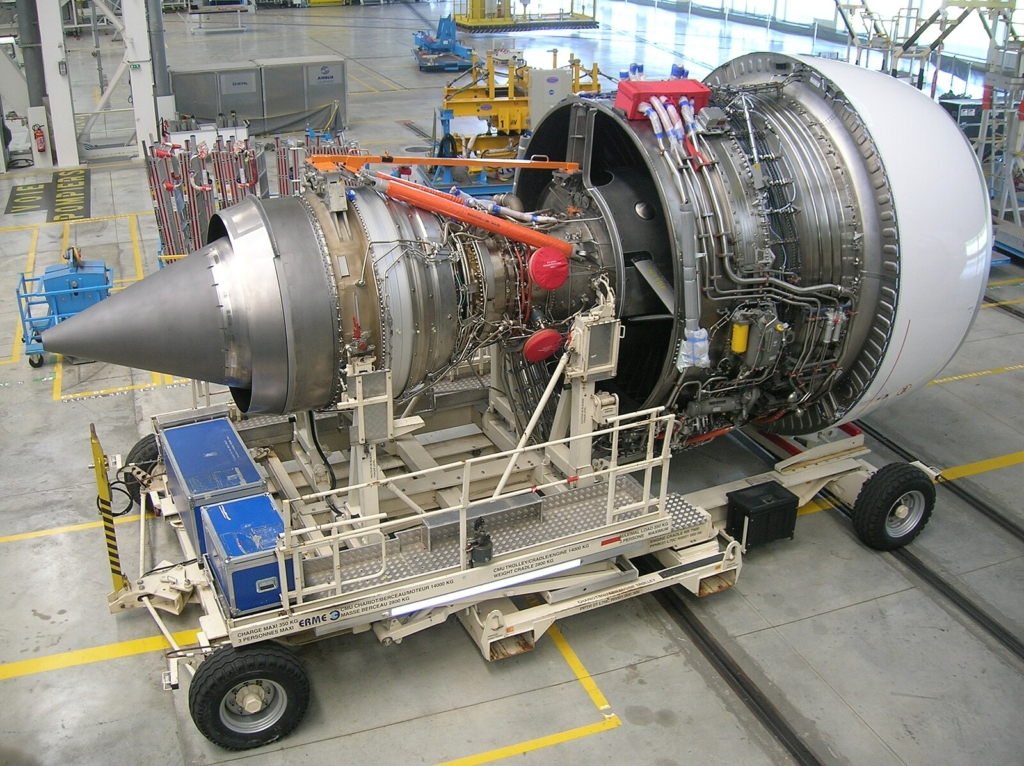
Partnership With Rolls-Royce
While taking maintenance in-house, Emirates continues to rely on Rolls-Royce for high-level technical support through TotalCare. This ensures access to critical parts, advanced diagnostics, and engineering expertise. This hybrid approach provides both autonomy and assurance. Emirates can manage daily maintenance operations independently while still benefiting from the manufacturer’s knowledge and global support network. The result is a more efficient, reliable, and flexible engine maintenance strategy.
Looking Ahead
The A380 remains a cornerstone of Emirates’ long-haul operations. Bringing engine MRO in-house and extending the TotalCare agreement demonstrates Emirates’ long-term commitment to the aircraft. This strategy secures the A380 fleet’s operational readiness well into the 2040s. Emirates can continue to offer passengers the iconic double-decker experience while managing operational costs efficiently. It also reinforces Dubai’s position as a global hub for aviation expertise.
Conclusion
Emirates’ move to internalize Trent 900 engine maintenance from 2027 represents a bold, forward-looking strategy. Combining in-house MRO with Rolls-Royce support maximizes efficiency, ensures reliability, and builds long-term technical expertise. This initiative benefits passengers, strengthens fleet performance, and sets a new standard for airline maintenance. With the A380 fleet secured for decades to come, Emirates demonstrates that operational control, innovation, and strategic partnerships can redefine aircraft maintenance for the modern airline industry.
Do follow UAE Stories on Instagram
Read Next – Abu Dhabi’s EasyLease Enters Malaysian Market with PAC Project