

Lung cancer is one of the most common and deadly types of cancer around the world. Despite advances in medicine, it still causes millions of deaths each year. The biggest challenge is that lung cancer is often found too late when it is hard to treat. But now, scientists have made a breakthrough by discovering the main driver of early stage lung cancer. This important discovery could change how doctors detect and treat lung cancer and save many lives.
In this article, we will explain what this early stage lung cancer driver means, how scientists found it, and why it matters for patients and medicine.
What is the Early Stage Lung Cancer Driver?
When doctors and scientists talk about a driver in cancer, they mean something usually a gene or a protein that causes cancer to start and grow. In early stage lung cancer, the driver is the first trigger that turns normal lung cells into cancer cells.

Finding this driver is like finding the first spark that lights a fire. If scientists can understand what causes that spark, they can work on ways to stop it early before the cancer spreads and becomes harder to treat.
Recently, researchers discovered that a specific mutation in a gene called KRAS plays the role of this main driver in many early stage lung cancers. This means the KRAS mutation causes the lung cells to behave abnormally, multiplying quickly and forming tumors.

How Did Scientists Discover the Early Stage Lung Cancer Driver?
This discovery did not happen overnight. It came from years of detailed research and new technologies. Scientists collected samples from people diagnosed with early stage lung cancer and studied their cells closely.
Using a technology called genetic sequencing, which reads the DNA inside cells, researchers compared cancer cells with healthy lung cells. They found that the mutation in the KRAS gene was very common in early lung cancer tumors.
Next, they tested this mutation in laboratory models to see what it does. They learned that the KRAS mutation tells the cells to divide uncontrollably, causing the tumors to grow. This proved that KRAS is the main driver starting the cancer in many patients.
Why is This Discovery Important?
The discovery of the early stage lung cancer driver is important for several reasons
Early Detection Becomes Possible
If doctors know the exact driver of lung cancer, they can develop tests to look for this mutation in patients. Detecting cancer early means the disease is caught when it is easier to treat, greatly improving chances of survival.
Targeted Treatments Can Be Developed
Treatments that directly block the KRAS mutation can be designed. These targeted therapies attack cancer cells specifically, leaving healthy cells alone. This leads to fewer side effects and better results for patients.
Personalized Medicine Becomes Real
Each patient’s cancer can be different. By understanding which gene is driving the cancer, doctors can personalize treatment to fit the patient’s needs. This approach is more effective than one size fits all treatments.
Prevention Strategies May Improve
In the future, if researchers can find ways to prevent KRAS mutations from happening, lung cancer rates could go down. This discovery opens a new door to preventing cancer, not just treating it.
Understanding Lung Cancer and the Importance of Early Stage
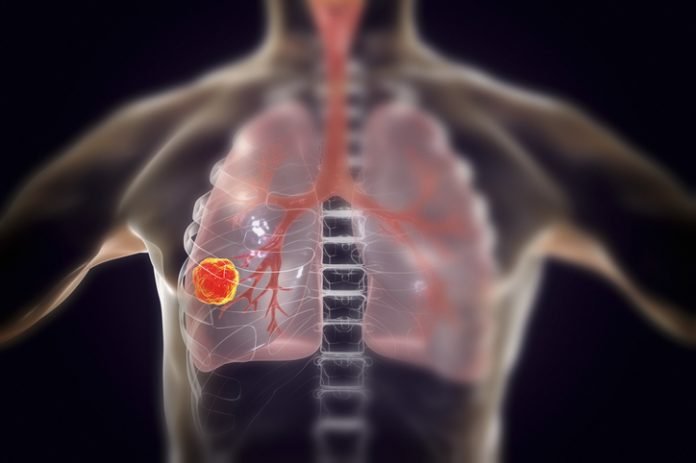
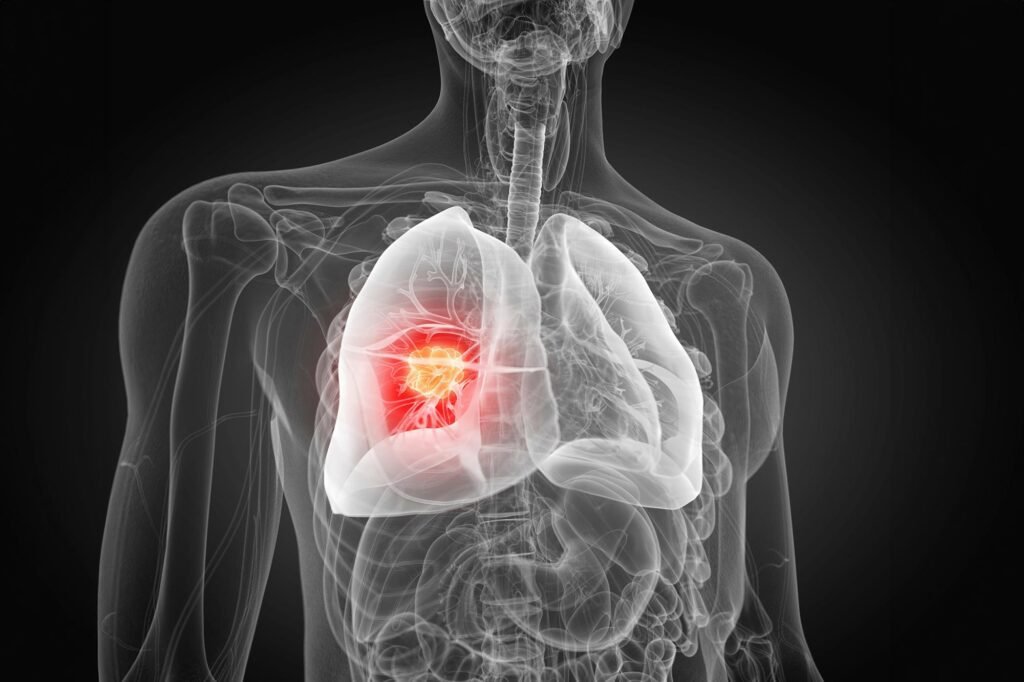
Lung cancer starts when cells in the lungs begin to grow uncontrollably. These abnormal cells can form lumps called tumors, which make it hard for the lungs to work properly. Over time, cancer cells may spread to other parts of the body, making treatment difficult.
The early stage of lung cancer means the tumor is still small and mostly inside the lungs. At this point, cancer can often be removed by surgery or treated successfully with other methods. Early diagnosis is key to better outcomes.
Unfortunately, most people with lung cancer only find out when the disease is advanced and has spread, because early symptoms are rare or mild.
Symptoms and Risk Factors for Early Stage Lung Cancer
In the early stages, lung cancer often does not cause obvious symptoms. This is why many cases go undetected until it’s too late.
Some signs that may appear as cancer progresses include
- A persistent cough that does not go away
- Chest pain or discomfort
- Shortness of breath
- Fatigue or feeling weak
- Unexplained weight loss
- Coughing up blood in later stages
Risk Factors for Lung Cancer
Certain factors increase the risk of developing lung cancer
- Smoking is the biggest risk factor. Most lung cancer cases happen in smokers or former smokers.
- Exposure to secondhand smoke
- Exposure to harmful substances like asbestos or radon gas
- Air pollution
- Family history of lung cancer
- Some lung infections or chronic lung diseases
Understanding the genetic driver helps explain why some people develop lung cancer even if they don’t have obvious risk factors.
Current Treatments for Lung Cancer and How This Discovery Could Help
Doctors use several methods to treat lung cancer, depending on the stage and type of cancer
- Surgery: Often used in early stages to remove tumors
- Chemotherapy: Uses drugs to kill cancer cells but can also affect healthy cells
- Radiation therapy: Uses high energy rays to destroy cancer
- Targeted therapy: Uses drugs designed to attack specific genetic changes in cancer cells
- Immunotherapy: Helps the immune system recognize and fight cancer
The discovery of the KRAS mutation as the main driver of early stage lung cancer is exciting because it allows for better targeted therapies. Scientists are already working on drugs that specifically block KRAS mutations.
These treatments are showing promise in early clinical trials, offering hope for more effective and less toxic treatments in the near future.
What This Discovery Means for Patients
For patients, this discovery means
- New tests may soon be available to detect lung cancer earlier and more accurately
- Treatments can be chosen based on the patient’s genetic makeup, increasing their effectiveness
- Side effects from treatments might be reduced since targeted drugs focus only on cancer cells
- Better survival rates as doctors catch and treat cancer before it spreads
Patients who have suspicious lung nodules might be tested for KRAS mutations to decide the best treatment plan.
Challenges and Future Research
While the discovery is promising, there are still challenges
- Not all lung cancers are caused by KRAS mutations; some have other drivers
- Developing effective drugs against KRAS has been difficult because the gene is complex
- More studies are needed to understand how KRAS works with other genetic changes
- Making new treatments affordable and widely available is also a challenge
Researchers are continuing their work to overcome these obstacles and bring new therapies to patients faster.
How to Lower Your Risk of Lung Cancer
Even with new scientific discoveries, preventing lung cancer remains very important. People can lower their risk by
- Not smoking or quitting smoking
- Avoiding exposure to secondhand smoke
- Testing homes for radon gas
- Using protective gear when exposed to harmful chemicals at work
- Eating a healthy diet and staying physically active
- Getting regular health checkups, especially if at high risk
Conclusion
The discovery of the early stage lung cancer driver gene mutation is a breakthrough in the fight against lung cancer. Identifying KRAS as the key trigger for early lung cancer gives scientists and doctors a powerful tool to detect cancer sooner and treat it more effectively.
This exciting step brings hope to millions worldwide who face lung cancer. With ongoing research, better treatments, and more awareness, the future looks brighter for those affected by this disease.
If you or someone you love is at risk, talk to your healthcare provider about lung cancer screening and genetic testing options. Early detection saves lives.
Do follow UAE Stories on Instagram
Read Next – UAE: Asia Cup 2025 Revealed: Exciting Cricket Fever to Hit