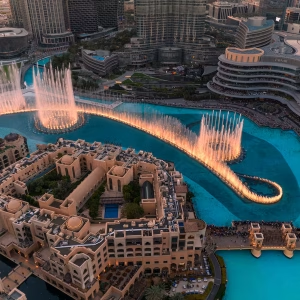
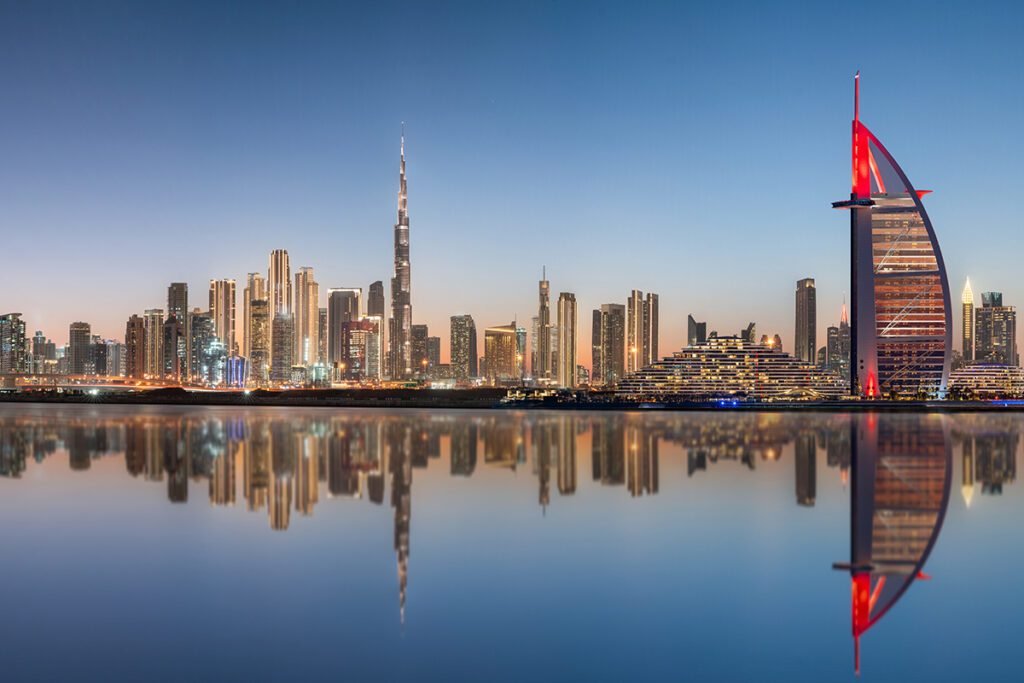
Dubai’s real estate sector has reached an electrifying new peak, recording over $5 billion in property transactions in just one week. From high-end apartments to expansive land deals, the emirate’s booming market continues to exceed expectations, fueled by strong investor confidence, luxury demand, and an evolving regulatory landscape.
A standout in this whirlwind of activity was the sale of a luxury apartment in Jumeirah, closing at a jaw-dropping $46 million. This singular deal alone has captured global attention, marking one of the most expensive apartment sales in Dubai’s history and underscoring the emirate’s ever-growing appeal to ultra-high-net-worth individuals.
The $46 Million Jumeirah Jewel
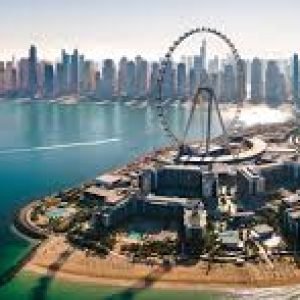
The crown jewel of the week’s activity was a high-floor apartment in the upscale Peninsula Dubai Residences. Perched over the glistening Dubai Water Canal, this $46 million property is more than just a luxury residence—it’s a symbol of where Dubai’s property market is heading. Boasting panoramic views, world-class interior finishes, and exclusive access to five-star amenities, the property sets a new benchmark for urban luxury.

This deal wasn’t a one-off. The same week saw several other high-value property transactions, including a $20 million apartment also in Jumeirah and an $8 million penthouse in Business Bay. The consistency of such transactions reveals a deep and consistent appetite for prime assets, particularly in branded and waterfront developments.
The Demand Behind the Boom
Several key forces are behind Dubai’s $5 billion real estate week. Firstly, global investor sentiment towards Dubai remains exceptionally strong. As international markets grapple with uncertainty, Dubai offers a unique mix of political stability, economic resilience, tax-free benefits, and quality of life that continues to attract both individuals and institutional investors.

Secondly, the luxury segment is expanding rapidly. More buyers are seeking exclusive homes in iconic locations—often as second homes or long-term investment assets. Branded residences, in particular, are gaining popularity, offering not just a place to live but a curated lifestyle managed by globally recognized hotel brands.
Additionally, many investors are chasing rental yields, which in Dubai often range between 6% to 9%, significantly outpacing returns in many Western cities. Paired with flexible payment plans, attractive financing options, and an increasingly mature legal framework, the emirate is ticking all the boxes for seasoned property buyers and first-time investors alike.
A Market Transformed by Innovation
Another key element in Dubai’s real estate surge is technology. PropTech platforms are transforming how people buy, sell, and invest in property. With AI-driven tools that predict price trends, virtual walkthroughs, and instant access to verified listings, the market has become more transparent and efficient than ever.
These innovations are democratizing access to real estate data, empowering investors to make smarter, faster decisions. The digitalization wave is also reducing friction in cross-border transactions, encouraging more overseas investors to participate in the Dubai market without ever setting foot in the city.
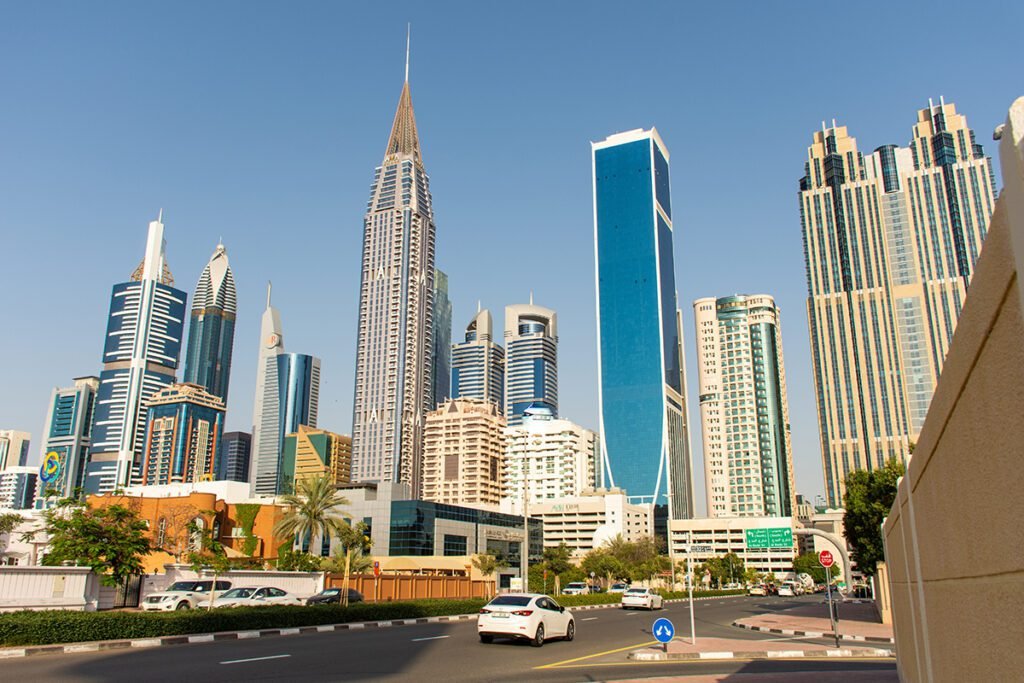
Furthermore, advanced valuation tools and blockchain-backed property registries are improving trust, which has been a critical concern for international buyers in the past. All these developments are helping to build a more dynamic, responsive, and investor-friendly ecosystem.
Supply Catching Up With Demand
Dubai’s developers are responding to surging demand by ramping up construction. Mega-developments across the city are introducing thousands of new units, ranging from ultra-luxury penthouses to affordable apartments aimed at the middle-income segment.
One of the most talked-about launches includes a twin-tower project in the Jumeirah district, which will add over 700 premium residences to the skyline. Another major development pipeline includes thousands of off-plan units in Dubai South, Business Bay, and the Palm Jumeirah extension.
Despite this, the market remains well-balanced, with demand still outstripping supply in several premium zones. This is keeping property values high, particularly in waterfront and branded segments. Analysts suggest that although a wave of new inventory is expected over the next two years, the current demand levels are strong enough to absorb much of it without significant price disruption.
The Rise of the Branded Residence
One of the fastest-growing sub-segments within Dubai’s luxury real estate market is branded residences. These are residential properties co-developed and operated by global hospitality or fashion brands, often bundled with services like concierge, spa, housekeeping, and valet parking.
In a city known for luxury, branded residences appeal to buyers who prioritize design, quality, and lifestyle. Buyers are not just purchasing property; they’re investing in an identity, a service level, and a brand they trust.
Recent sales trends suggest that branded residences are commanding premiums of up to 30% over comparable unbranded properties in the same location. This premium is being justified by consistently higher resale value, better rental returns, and more robust demand.
Policy Tailwinds and Investor Incentives
Government policy continues to support the sector’s growth. Recent reforms in foreign ownership laws, long-term residency visas, and business-friendly initiatives have encouraged a steady inflow of capital into real estate.
Tokenization of property assets is also on the horizon, promising to make high-value property investments more accessible to smaller investors. If implemented effectively, this could become a game-changer, allowing fractional ownership and improving liquidity in the secondary market.
Moreover, authorities are actively working on sustainability frameworks to ensure future developments adhere to green building standards. With climate-conscious investors rising in number, Dubai is aiming to lead not just in luxury, but also in sustainability.
Rental Market Still Hot
While sales headlines dominate, Dubai’s rental market is no less exciting. As the population grows and tourism rebounds strongly, demand for high-quality rental units is outpacing supply in many areas. Popular communities like Downtown Dubai, Dubai Marina, and Business Bay are witnessing double-digit rental growth.
The strong rental performance is reassuring to buy-to-let investors, especially those targeting mid-range and short-term rental markets. With Expo legacy projects and expanding economic sectors like tech and finance, Dubai is drawing not just tourists but also a new generation of skilled workers—most of whom prefer renting for their first few years.
What’s Next for Dubai Real Estate?
Looking ahead, the outlook remains largely optimistic but not without challenges. Analysts foresee continued growth in transaction volumes through the next two quarters, driven by end-user demand and regional investors.
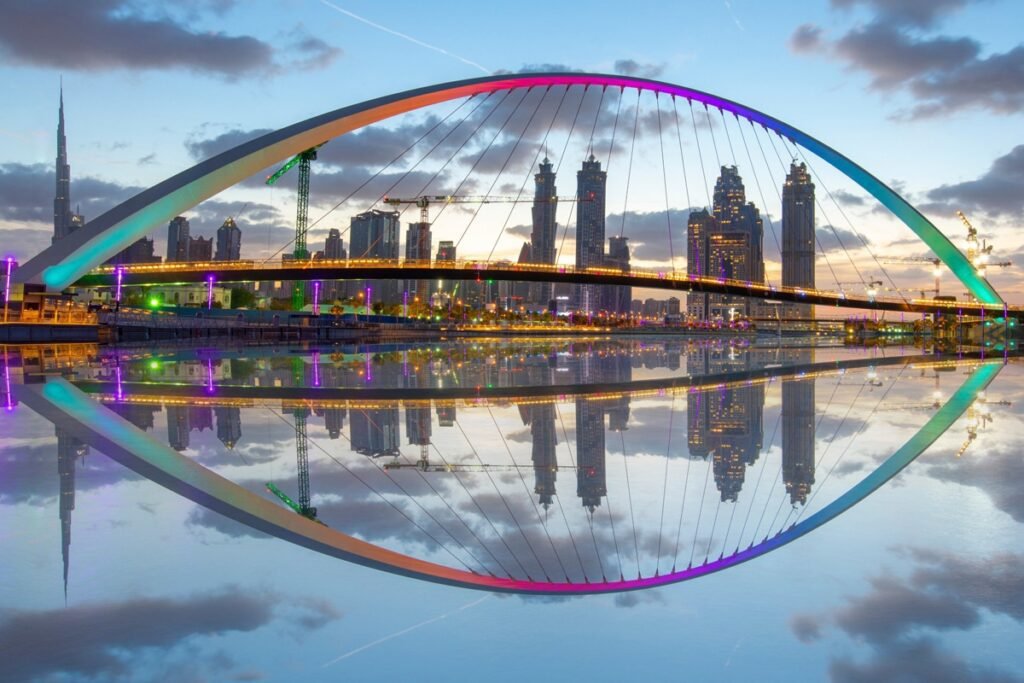
However, a note of caution exists around oversupply, particularly as a significant number of units are slated for delivery by 2026. This could moderate price appreciation in the mid-term, especially in areas with lower demand fundamentals.
Still, the luxury and ultra-luxury segments appear insulated for now, backed by international buyers who are more motivated by asset diversification and lifestyle than short-term ROI.
Additionally, as more global investors eye Dubai for long-term real estate portfolios, the city is well-positioned to become a global benchmark for real estate excellence—not just in the Middle East, but worldwide.
Final Word: Dubai at a Real Estate Crossroads
The past week’s $5 billion in property deals is not just a number—it’s a signal. Dubai is entering a new era of maturity, visibility, and credibility in the global real estate landscape. With innovation, policy, and demand working in harmony, the emirate is proving that its property market is not merely booming—it’s evolving.
And with more headline-grabbing deals likely to unfold in the coming months, one thing is certain: Dubai’s real estate story is just getting started.
Do follow UAE Stories on Instagram
Read More: Middle East Customers Concerned About Inflated Grocery Prices: Report