When it comes to real estate investments, ₹5 crore is no small amount. It’s the kind of budget that can dramatically shift your lifestyle, security, and returns—depending on where you choose to invest. Two of the most talked-about destinations for such investments are Dubai and Mumbai. Both cities are dynamic, bustling, and full of life. But when it comes to real estate, they offer completely different worlds.
Let’s dive deep into what ₹5 crore can actually get you in both cities—from the kind of homes you can own, the amenities you’ll enjoy, to the returns and costs that come with it.
Size and Space: Luxury in Dubai, Compromise in Mumbai
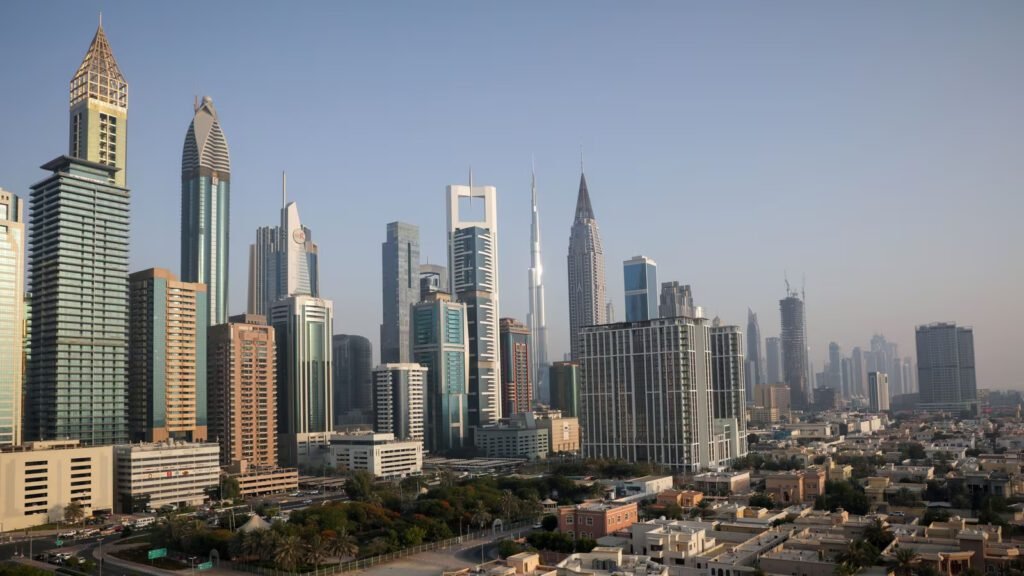
In Dubai, ₹5 crore (roughly AED 2.2 million) can open the doors to a spacious 2 or even 3-bedroom apartment in upscale areas like Downtown Dubai, Dubai Marina, or Business Bay. These are locations where you’ll get stunning views, modern interiors, high ceilings, and access to facilities like pools, gyms, spas, and even concierge services.

On the other hand, ₹5 crore in Mumbai might get you a 2BHK in Bandra, Lower Parel, or Powai. The square footage is often half or even less compared to what you get in Dubai. Narrow corridors, congested layouts, and limited parking are common. You’ll likely have to compromise on space unless you move to Mumbai’s far suburbs.
Amenities and Lifestyle: Ultra-Modern vs Urban Realities
Dubai properties come with built-in luxury. Think temperature-controlled pools, smart home systems, walk-in closets, and on-site security. Even mid-range apartments often include world-class gyms and private cinemas. Community living in Dubai is well-planned with green spaces, jogging tracks, and malls within walking distance.

Mumbai, by contrast, struggles with infrastructure bottlenecks. While premium buildings do offer amenities, the overall quality and access are nowhere near Dubai standards. A pool or gym might be available, but often overused. Power backup is not always guaranteed, and elevator wait times can test your patience.
Real Estate Appreciation: Where Your Money Grows Faster
When it comes to appreciation, both cities have their highs and lows.
Dubai’s market saw a strong comeback post-Expo 2020. With no capital gains tax and regular updates in visa policies for investors, the city has attracted global attention. Areas like Jumeirah Village Circle, Dubai Hills, and Palm Jumeirah have seen steady appreciation.
Mumbai, being the financial capital of India, has a constant demand. However, its growth has been uneven. Projects get delayed due to regulatory bottlenecks and limited land availability in central areas. Though long-term appreciation is possible, it requires patience and risk tolerance.
Rental Yields: Dubai Offers Higher Returns
One of the most attractive aspects of investing in Dubai is the rental yield. The city easily offers 6–8% returns annually in many areas. Thanks to the huge influx of expats, there’s always a demand for rental properties, especially in areas close to business hubs and schools.
In Mumbai, rental yields hover between 2–3%, even in prime locations. High property prices and lower rental values mean your investment returns are slower. You might be sitting on a valuable asset, but its income generation potential is limited compared to Dubai.
Maintenance Costs: Surprising Long-Term Savings in Dubai
Dubai properties might look luxurious, but they are surprisingly cost-effective to maintain. Service charges are fixed, and most buildings have a management body that takes care of upkeep efficiently. You’re less likely to be running from one contractor to another for plumbing or painting.
Mumbai’s maintenance, on the other hand, can be inconsistent. Old societies often charge lower fees but lack proper facilities. New high-rises may offer better upkeep, but the costs can skyrocket. And with frequent water leakages, drainage issues, or power problems, you might end up paying more just to maintain basic living standards.
Ownership Rules: Freehold vs Leasehold Challenges
Dubai allows foreigners to own freehold properties in designated areas. This gives full ownership rights and freedom to sell, lease, or bequeath the property. The documentation process is smooth, digital, and often completed within days.
Mumbai, on the contrary, has layers of paperwork. Most high-end properties in Mumbai come with leasehold rights, especially in areas developed by state bodies. Title clearances, society approvals, and legal documentation can become complex and time-consuming.
Transparency and Regulation: Dubai Leads with Clarity
Dubai’s real estate market has become one of the most transparent in the region. RERA (Real Estate Regulatory Agency) ensures that developers and brokers follow rules, prices are disclosed, and buyers are protected. Online platforms allow real-time tracking of title deeds, payment milestones, and approvals.
Mumbai still battles with builder delays, unclear titles, and lack of information. Though RERA was introduced in India, its implementation varies across states. Many buyers still fall into traps due to misleading brochures or half-completed projects.
Tax Benefits: Zero Taxes in Dubai vs Complex Indian Taxation
Dubai offers a tax-free environment. There’s no income tax, no capital gains tax, and no property tax. This directly boosts your net return on investment.
In Mumbai, property taxes, stamp duties, and income from rent are all taxable. On top of that, if you sell your property within two years, short-term capital gains tax applies, eating into your profits.
Long-Term Investment Potential: Where the Future Looks Brighter
Dubai is diversifying beyond oil and tourism. With smart city initiatives, global tech conferences, and business-friendly reforms, the city aims to become the Silicon Valley of the Middle East. Property demand is expected to remain strong, especially in communities with schools, parks, and workspaces.
Mumbai has a strong domestic pull due to its role as India’s financial capital. Projects like the Mumbai Trans Harbour Link and coastal road promise better connectivity. However, delays in execution and high population density continue to create barriers for fast growth.
Community Living: Expat Comfort vs Local Hustle
Dubai’s real estate communities are tailored for global residents. From British schools to Lebanese cafes and French bakeries, the city offers a global lifestyle in a Middle Eastern setting. Safety, cleanliness, and community events are part of daily life.
In Mumbai, community living exists but is more culturally rooted. Gated communities do offer safety and social interaction, but the overall experience varies greatly depending on location. Noise, pollution, and congestion remain everyday challenges.
Buying Experience: Speedy in Dubai, Stressful in Mumbai
Buying property in Dubai is a streamlined process. Agents are licensed, paperwork is digitised, and bank approvals are fast. It’s not unusual for a buyer to close a deal within a week.
In Mumbai, the process often includes property visits, society NOCs, title checks, legal consultations, and frequent delays. From negotiation to registration, the timeline can stretch for months, especially if the seller is not cooperative.
Which City is Right for You?
If you’re looking for a modern, luxurious lifestyle with strong rental yields and a global expat community, Dubai is hard to beat. Your ₹5 crore here stretches far, offering bigger homes, better facilities, and long-term gains with lower headaches.
However, if your priorities are emotional connections, proximity to family, or being part of India’s economic heartbeat, Mumbai still holds its ground. Just be prepared for smaller spaces, higher maintenance costs, and longer waits for ROI.
Final Thoughts
Both cities have their charm and potential. The real question is: what kind of life are you looking to build? If it’s about returns, ease, and quality of life—Dubai might be your dream investment. But if it’s about roots, resilience, and long-term national growth—Mumbai still deserves a place in your portfolio.
At the end of the day, ₹5 crore is a powerful tool. Where you spend it could change not just your home—but your entire future.
Do follow UAE Stories on Instagram
Dubai: Major Accident on Al Khail Road Near Umm Suqeim Street Bridge