Dubai to RAK in Record Time: The Flying Taxi Revolution
The UAE has long been at the forefront of transportation innovation, from futuristic metros to autonomous cars. Now, a groundbreaking development promises to transform regional travel: flying taxis. Imagine boarding a vehicle in Dubai to RAK in just 15 minutes, bypassing traffic, tolls, and traditional road congestion. This is no longer a distant dream; the future of aerial mobility is almost here.
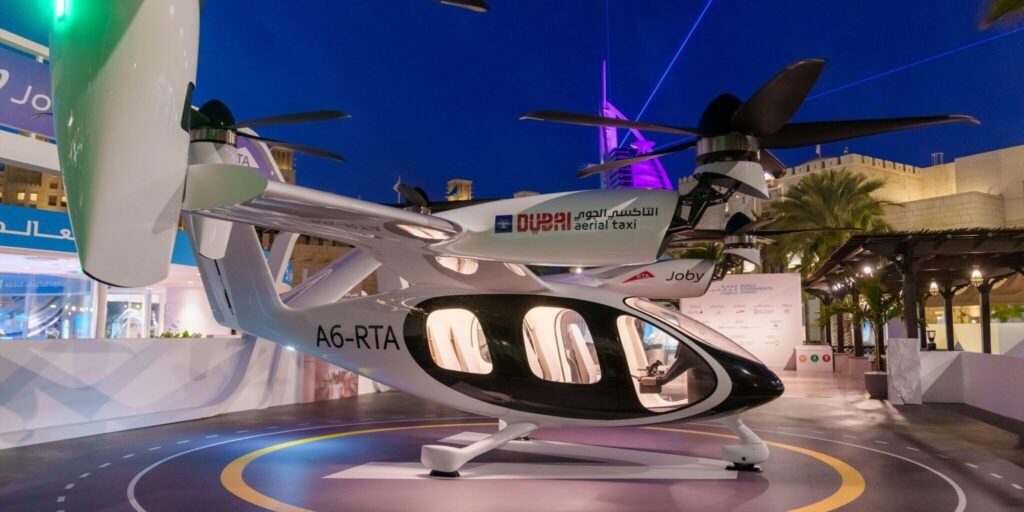
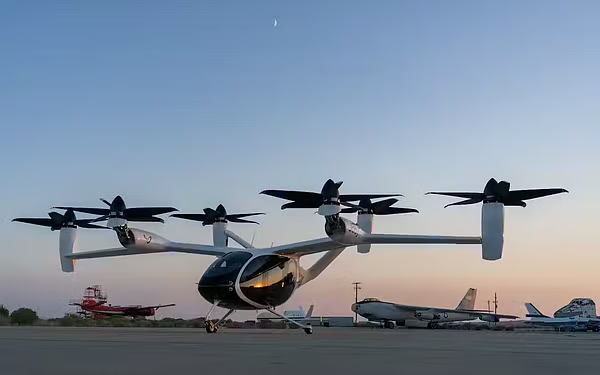
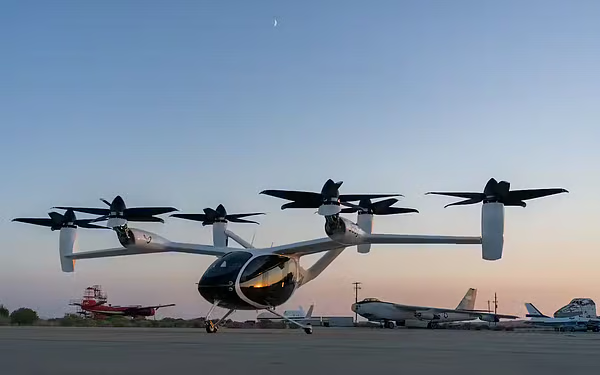
Flying taxis, or eVTOLs (electric vertical take-off and landing aircraft), are poised to redefine convenience for residents and tourists alike. These vehicles combine electric propulsion, cutting-edge navigation systems, and autonomous flight capabilities to deliver a seamless travel experience.
How Flying Taxis Work
Flying taxis operate using electric motors that power vertical take-off and landing, much like helicopters. Unlike conventional aircraft, these vehicles are designed for short-distance city-to-city travel and are optimized for energy efficiency.

Key features include:
- Autonomous Navigation: Advanced AI and sensors ensure safe flights with minimal human intervention.
- Noise Reduction: Modern designs prioritize quiet operation, making flights less disruptive to urban areas.
- Eco-Friendly Technology: Electric propulsion reduces carbon emissions compared to cars and traditional helicopters.
Passengers will likely experience a smooth, fast, and safe journey while enjoying panoramic aerial views of the UAE’s stunning landscapes.

Why Dubai to Ras Al Khaimah Is a Perfect Route
Dubai and Ras Al Khaimah are separated by roughly 112 kilometers. Currently, driving between the two emirates can take between 1.5 to 2 hours depending on traffic conditions.
Flying taxis could reduce this journey to approximately 15 minutes, providing:
- Time Efficiency: Business meetings, weekend getaways, and urgent trips can be completed in a fraction of the time.
- Tourism Boost: Tourists can experience multiple destinations within the UAE in a single day.
- Economic Growth: Enhanced connectivity encourages business collaborations and regional investment opportunities.
The route is ideal for introducing flying taxis because it combines high demand, clear airspace, and established infrastructure for potential landing pads in both emirates.
Safety First: Regulations and Standards
Safety is the top priority for flying taxi operations. UAE authorities are working closely with aviation regulators to ensure that all flights meet strict safety standards.
Measures being implemented include:
- Redundant Systems: Backup navigation, power, and communication systems to prevent technical failures.
- Strict Certification: Only fully certified eVTOLs will be allowed in commercial airspace.
- Air Traffic Integration: Flying taxis will be coordinated with existing air traffic to avoid congestion and collisions.
The regulatory framework ensures passengers can trust the technology while paving the way for broader adoption across the region.
The Passenger Experience
Flying taxis promise an entirely new travel experience. Unlike crowded roads or conventional flights, passengers can expect:
- Short Waiting Times: Minimal boarding and departure procedures compared to airports.
- Comfortable Interiors: Spacious cabins with ergonomic seating designed for a smooth ride.
- Spectacular Views: Aerial perspectives of Dubai’s skyline, the Hajar Mountains, and Ras Al Khaimah’s beaches.
Some operators are even exploring premium services with luxury interiors, in-flight entertainment, and personalized travel options.
Challenges Ahead
Despite the excitement, flying taxis face a few hurdles:
- Infrastructure Needs: Vertiports or designated landing zones are required in urban and suburban areas.
- Public Acceptance: People need time to trust autonomous aerial vehicles.
- Cost: Early adoption may come at a premium price, making it initially accessible only to high-income passengers.
However, governments and private companies are investing heavily to overcome these challenges, signaling strong confidence in the long-term viability of flying taxis.
Economic and Environmental Impact
Flying taxis can significantly impact the UAE’s economy and environment:
- Job Creation: Opportunities in aircraft manufacturing, maintenance, and operations.
- Tourism Revenue: Faster, more convenient travel attracts domestic and international tourists.
- Reduced Traffic Pollution: Fewer vehicles on the roads translate to lower carbon emissions and congestion.
By integrating flying taxis into existing urban transport networks, the UAE aims to create a more sustainable, futuristic mobility ecosystem.
When Can We Expect Flying Taxis?
Several pilot programs are underway, with companies testing prototypes and autonomous systems. Dubai’s government has been actively supporting these initiatives through funding, infrastructure, and regulatory support.
Experts predict that commercial flights could begin within the next few years, initially targeting high-demand routes such as:
- Dubai to Ras Al Khaimah
- Dubai to Abu Dhabi
- Dubai to Sharjah
As technology matures and costs decrease, flying taxis could expand to include suburban commutes, airport transfers, and even leisure tours.
Conclusion: A Skyward Future
Flying taxis represent a transformative leap in transportation. The prospect of traveling from Dubai to Ras Al Khaimah in just 15 minutes is not only thrilling but also indicative of a broader shift toward sustainable, autonomous, and efficient urban mobility.
While challenges remain, the UAE is poised to lead the world in adopting this futuristic mode of travel. For residents and tourists alike, the skies may soon become the fastest, safest, and most scenic highway in the country.
With ongoing tests, investments, and government support, the dream of hopping onto a flying taxi and soaring above traffic could soon be a reality, making long commutes and road congestion a thing of the past.
Do follow UAE Stories on Instagram
Read Next – UAE Western Balkans Investment: Influence and Identity