Plastic ban regulations are now fully in effect across Dubai, marking a major turning point in how food, drinks, and everyday items are packaged. From takeaway meals to shopping trips, single-use plastics that were once unavoidable have now been removed from daily circulation.
Rather than arriving overnight, the changes were introduced gradually, giving businesses time to adapt and consumers time to adjust. Now, the transition is complete, and plastic items that once felt unavoidable are no longer part of everyday life. This guide explains exactly what has changed, why it matters, and what replaces the plastics we once relied on.
Why Dubai Is Phasing Out Single-Use Plastics
The plastic ban is part of a wider environmental vision focused on sustainability, waste reduction, and long-term environmental protection. Single-use plastics are among the most persistent forms of waste, often ending up in landfills or oceans and taking hundreds of years to decompose.

By removing these products from circulation, Dubai aims to encourage an eco-friendly lifestyle while supporting sustainable development goals. The approach balances environmental responsibility with economic realism, ensuring that businesses can continue operating smoothly while adopting greener alternatives.
The Three-Phase Approach That Led Here
Instead of a sudden blanket ban, Dubai introduced restrictions in stages. Early phases targeted the most commonly discarded items, helping both consumers and businesses adjust habits gradually. Each phase built on the last, expanding the list of prohibited items while increasing awareness around reusable and compostable alternatives.

This final phase represents the most comprehensive shift yet, effectively changing how food, drinks, and goods are packaged across the city.
What Single-Use Plastic Items Are Now Banned
A wide range of everyday products are no longer permitted. These include items that were once standard in cafés, restaurants, and takeaway outlets.
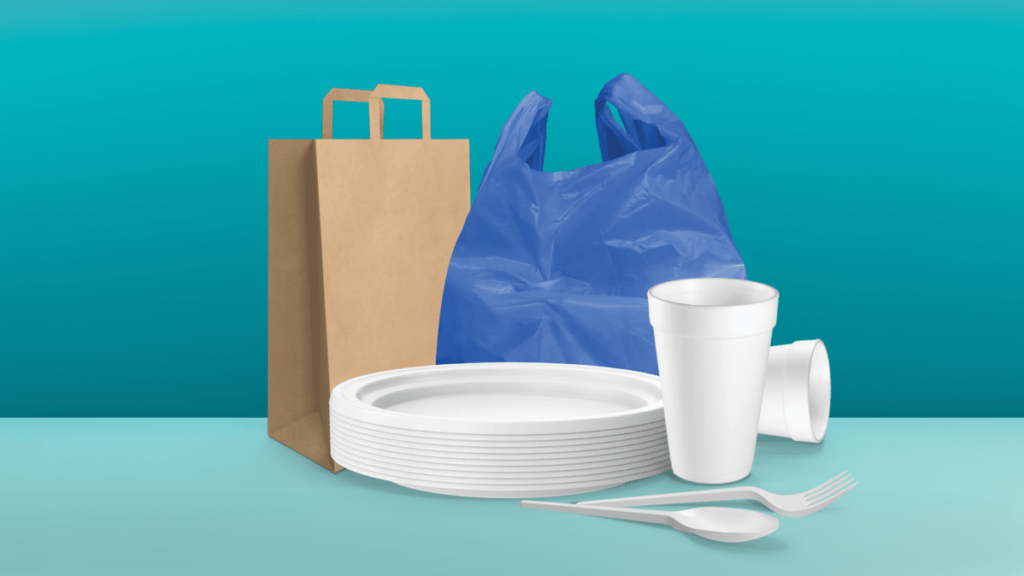
Plastic plates are no longer allowed, whether for dining in or takeaway use. Plastic food containers have also been phased out, meaning meals ordered to-go will arrive in alternative packaging. Plastic tableware, including forks, knives, and spoons, has been removed from circulation. Beverage cups with plastic lids are also prohibited, changing how hot and cold drinks are served across the emirate.
Together, these changes significantly reshape the takeaway experience, from your morning coffee to late-night food deliveries.
How Takeaway Food and Drinks Are Changing
One of the most noticeable effects of the plastic ban is how food and drinks are packaged. The familiar plastic clamshells, lids, and cutlery are being replaced by materials that are kinder to the environment.
Hot drinks now come with paper-based or plant-fibre lids, while cold beverages are served in cups made from compostable materials. Meals arrive in sturdy cardboard, sugarcane pulp, or kraft paper containers designed to handle everything from salads to saucy curries.
While the look and feel may be different, the goal is the same: practical, safe, and convenient packaging without the long-term environmental cost.
Eco-Friendly Materials Taking Over
The end of plastic has opened the door for a new generation of disposable materials that break down more easily and leave a lighter footprint.
Bamboo has become a popular alternative for cutlery due to its strength and renewability. Sugarcane fibre, often known as bagasse, is now widely used for plates and food boxes. Kraft paper and recycled cardboard are replacing plastic bags and containers, offering durability without the waste problem.
These materials are designed to decompose far more quickly than plastic, helping to reduce landfill buildup and environmental damage.
Lessons From Earlier Plastic Restrictions
This isn’t Dubai’s first step away from plastic. Earlier restrictions targeted items such as plastic straws, stirrers, cups, and Styrofoam food containers. These changes paved the way for the current ban, proving that alternatives could work at scale.
Paper straws replaced plastic ones, cardboard stirrers became the norm, and foam takeaway boxes were swapped for paper-based containers. While some adjustments took time, most residents quickly adapted, and the alternatives are now widely accepted.
The success of these earlier measures helped build confidence in expanding the ban further.
Changes Beyond Dubai: A Nationwide Plastic Push
Alongside Dubai’s local regulations, a broader initiative has been rolled out across the United Arab Emirates. This nationwide policy restricts the import, manufacture, and trade of many single-use plastic consumer products.
The nationwide ban covers beverage cups and lids, cutlery, plates, straws, stirrers, and food containers made from Styrofoam. This unified approach ensures consistency across emirates and reinforces the country’s commitment to environmental responsibility.
The Evolution of the Single-Use Bag Ban
Plastic bags have been a key focus of the wider plastic reduction strategy. Earlier rules targeted thinner bags and certain materials, encouraging shoppers to switch to reusable options. The latest update expands the restriction further, covering all single-use bags below a specific thickness, regardless of material.
As a result, reusable shopping bags have become the norm in supermarkets, malls, and local stores. Many retailers now offer durable alternatives designed to be used repeatedly rather than discarded after one trip.

Important Exemptions You Should Know
While the ban is extensive, it does include practical exemptions to ensure essential needs are met. Bags made within the UAE from recycled materials are allowed, supporting local recycling initiatives and encouraging a circular economy.
Additional exemptions apply to medicine bags, waste disposal bags, and very thin plastic used for wrapping fresh food such as meat, vegetables, and bread. Larger shopping bags for items like clothing, electronics, and toys are also exempt, where durability and protection are essential.
These exceptions ensure the policy remains realistic while still achieving its environmental goals.
How This Affects Daily Life in Dubai
For most people, the changes quickly blend into daily routines. You may notice different textures, colours, or designs in packaging, but the convenience of dining out or ordering in remains intact.
Reusable bags have become a regular part of shopping trips, and many residents now carry their own cups or cutlery for added convenience. Over time, these small habit changes contribute to a much larger environmental impact.
A Cleaner, More Sustainable Future
Dubai’s plastic ban is more than a regulatory change; it’s a cultural shift toward mindful consumption. By reducing reliance on single-use plastics, the city is setting an example of how urban centres can balance growth with environmental care.
As businesses innovate and consumers adapt, the move away from plastic becomes less about sacrifice and more about progress. The result is a city that continues to thrive while taking meaningful steps to protect the environment for future generations.
Do follow UAE Stories on Instagram
Read Next – Ramadan 2026 Start Date Predicted and It’s Closer Than Expected