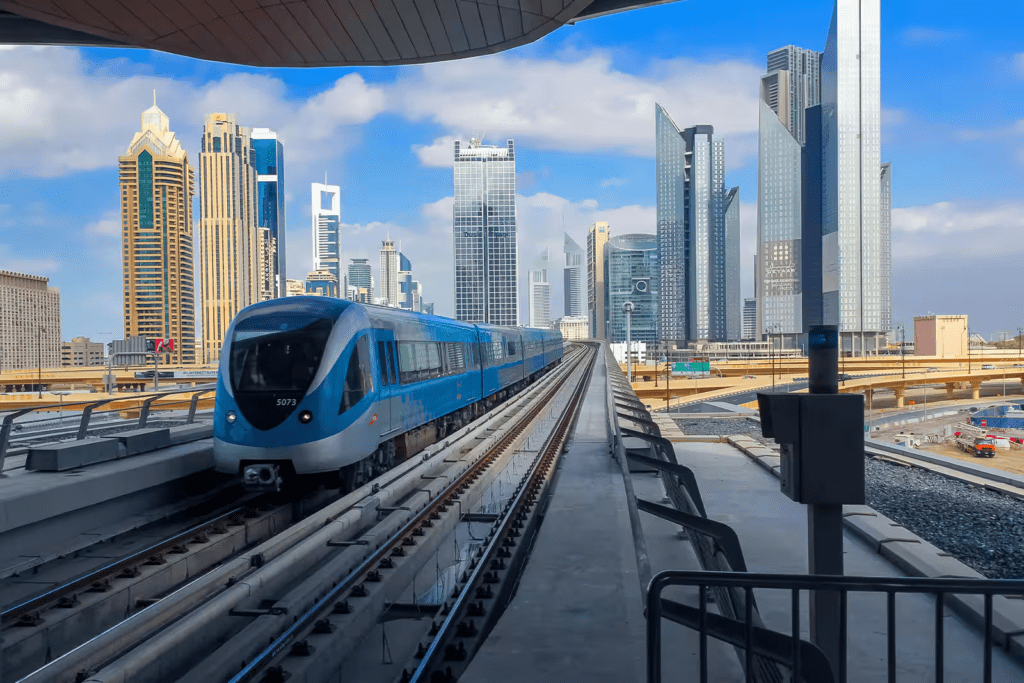
Dubai moves fast, and so does its metro. Whether you are visiting for the first time or settling into daily life in the city, understanding the metro system makes everything easier. This Dubai Metro Station Guide walks you through routes, stations, fares, facilities, and smart travel tips so you can move around confidently.
The Dubai Metro officially began operations on 9 September 2009 with the launch of the Red Line. The Green Line followed on 9 September 2011, expanding connectivity to older parts of the city. Today, the network is operated by the Roads and Transport Authority and has become one of the most modern and efficient driverless metro systems in the world.
Overview of the Dubai Metro Network
The Dubai Metro currently operates two main lines: the Red Line and the Green Line. Together, they cover key residential, business, and tourist areas across the city.

Red Line
The Red Line runs from Centrepoint (formerly Rashidiya) to Expo 2020 Metro Station. It connects major areas along Sheikh Zayed Road and is the busiest line in the network.
It passes through major stations such as:

- Centrepoint
- BurJuman
- Union
- Mall of the Emirates
- Burj Khalifa/Dubai Mall
- Business Bay
- Expo 2020
The Red Line is particularly useful for visitors, as it links Dubai International Airport Terminal 1 and Terminal 3 directly to central Dubai.
Green Line
The Green Line serves older and more traditional parts of the city, including Deira and Bur Dubai. It connects residential neighborhoods with commercial hubs and interchanges with the Red Line at Union and BurJuman stations.
Important stations include:
- Etisalat by e&
- Al Qusais
- Stadium
- Union
- Baniyas Square
- Al Fahidi
- Creek
The Green Line plays a vital role for daily commuters working in historic and business districts.
Key Interchange Stations
Interchange stations are essential if you need to switch between lines. The two main interchange stations are:
Union
BurJuman
Union is one of the largest underground metro stations in the world by area and connects both Red and Green lines. BurJuman also allows seamless transfers between the two lines, making travel across the city convenient.
Dubai Metro Station Zones
Dubai Metro uses a zone-based fare system. The city is divided into seven zones. Your fare depends on how many zones you cross during your journey.
If you travel within one zone, you pay the lowest fare. Crossing two adjacent zones costs slightly more. Traveling across more than two zones is the highest fare category.
Understanding zones helps you plan your route and estimate travel costs before boarding.
Nol Card and Fares
To use the Dubai Metro, you must have a Nol card. Paper tickets are available, but most residents use rechargeable Nol cards.
There are four main types of Nol cards:
Red Ticket
Silver Card
Gold Card
Blue Card
The Red Ticket is ideal for tourists or occasional riders. It can be used for a limited number of trips.
The Silver Card is the most common option for regular commuters. It offers standard class travel at affordable rates.
The Gold Card provides access to Gold Class cabins, which offer more space and comfortable seating.
The Blue Card is a personalized card linked to your identity and is useful for students and senior citizens eligible for discounts.
Fares start at a low rate for short trips and increase depending on distance and zones crossed. Gold Class fares are typically double the standard fare.
Metro Station Facilities
Dubai Metro stations are designed with comfort and accessibility in mind. Most stations offer:
Air-conditioned platforms and waiting areas
Escalators and elevators
Clear bilingual signage in English and Arabic
Retail kiosks and vending machines
Public restrooms in selected stations
Free Wi-Fi access
Stations are fully accessible for people with disabilities. Elevators, tactile guidance paths, and dedicated spaces in carriages ensure inclusive travel for everyone.
Airport Connectivity
One of the biggest advantages of the Dubai Metro is its direct connection to Dubai International Airport. The Red Line serves both Terminal 1 and Terminal 3.
This makes it incredibly convenient for travelers arriving or departing from Dubai. Instead of relying on taxis during peak traffic hours, you can reach central areas like Deira, Bur Dubai, or Downtown Dubai quickly and affordably.
Popular Tourist Stations
Several metro stations provide easy access to major attractions.
Burj Khalifa/Dubai Mall station connects you to Downtown Dubai and the iconic Burj Khalifa area.
Mall of the Emirates station provides direct access to one of the city’s most famous shopping malls.
Dubai Marina station is ideal for visitors exploring Marina Walk and nearby beaches.
Al Fahidi station on the Green Line places you close to Al Seef and the historic Al Bastakiya district.
Using the metro to reach these destinations helps you avoid parking challenges and traffic congestion.
Metro Timings
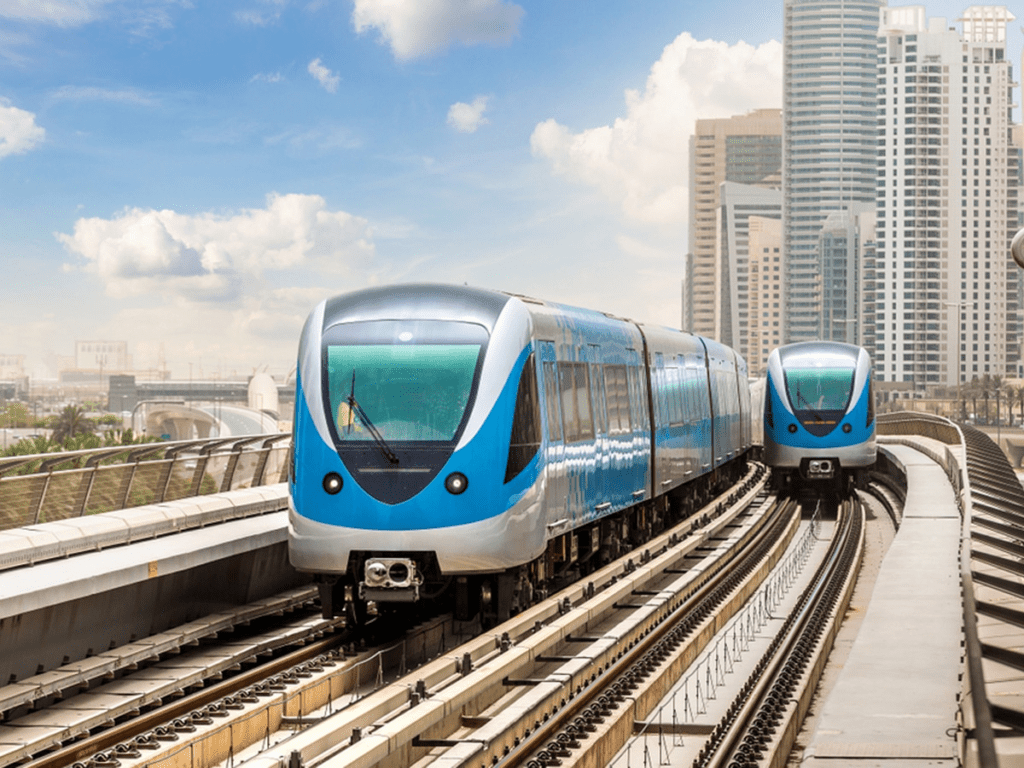
Dubai Metro operates daily, with extended hours on weekends. Trains usually start early in the morning and continue until midnight or later, depending on the day of the week.
During peak hours, trains arrive every few minutes. Off-peak services may have slightly longer intervals, but waiting times are generally short.
It is always wise to check the latest schedule through official transport apps before planning late-night travel.
Women and Children Cabin
Each metro train includes a dedicated cabin for women and children. This section is clearly marked and located at one end of the train.
While not mandatory for women, it offers an added layer of comfort and privacy, especially during busy hours.
There is also a Gold Class cabin for passengers who prefer a more premium commuting experience.
Park and Ride Facilities
Several metro stations offer Park and Ride facilities, allowing commuters to park their vehicles and continue their journey by metro.
Centrepoint station has one of the largest parking facilities in the network. Etisalat by e& and Jabal Ali stations also provide parking options.
This feature is particularly helpful for residents living outside walking distance of metro stations.
Safety and Cleanliness
Dubai Metro is known for its high safety standards and cleanliness. The system is fully automated and driverless, monitored from a central control center.
Security personnel and CCTV cameras operate throughout the network. Eating, drinking, and chewing gum inside trains are prohibited, helping maintain cleanliness.
Fines apply for rule violations, including traveling without a valid Nol card or using the wrong cabin.
Smart Tips for First-Time Riders
If you are new to the Dubai Metro, keep these tips in mind:
Always tap your Nol card at both entry and exit gates.
Avoid peak hours if you prefer less crowded trains.
Stand on the right side of escalators and let others pass on the left.
Follow signage carefully, especially at interchange stations.
Downloading a transport app can help you plan routes and track travel times more efficiently.
Why the Dubai Metro Stands Out
Dubai Metro is not just a transportation system; it reflects the city’s ambition and futuristic vision. With its sleek station designs, efficient operations, and strong connectivity, it has transformed daily commuting in Dubai.
It connects business hubs, residential communities, shopping malls, airports, and tourist attractions in a reliable and cost-effective way.
For visitors, it removes the stress of navigating unfamiliar roads. For residents, it offers a dependable alternative to driving.
Understanding the network, zones, and station facilities ensures you can travel with ease and confidence. This Dubai Metro Station Guide equips you with everything you need to explore the city efficiently, whether for work, leisure, or adventure.
Do follow UAE Stories on Instagram
Read Next – Dubai School Admission Guide: Everything Parents Need to Know