
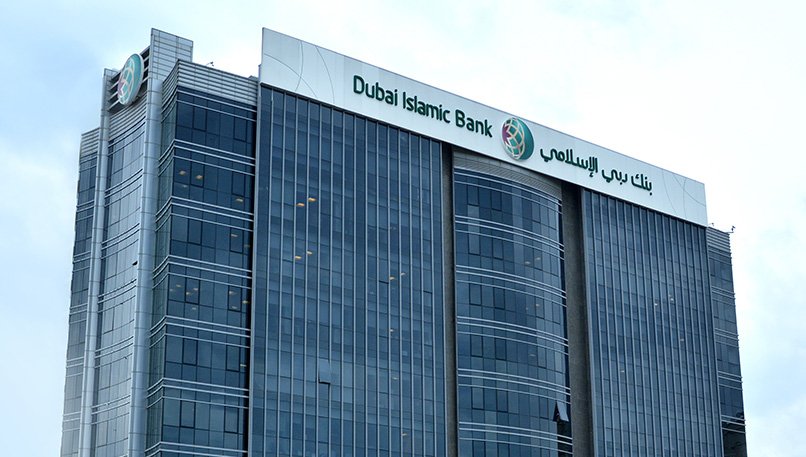
Dubai Islamic Bank (DIB), one of the largest Islamic banks in the world, has successfully arranged a significant $1 billion sovereign financing facility for Pakistan. Acting as the sole Islamic global coordinator, DIB joined forces with Standard Chartered Bank as Joint Mandated Lead Arrangers (JMLAs) to secure this vital funding.
This landmark transaction underscores the strong financial relationship between the United Arab Emirates (UAE) and Pakistan, while also highlighting the importance of Islamic finance in supporting sovereign funding needs. In this article, we explore what this financing means for Pakistan, the role of DIB, and the potential implications for regional economic cooperation.
Pakistan’s economic landscape and financing challenges
Pakistan has faced numerous economic challenges over the past decade. Political instability, rising inflation, currency devaluation, and declining foreign reserves have all strained the country’s fiscal position. In recent years, Pakistan has heavily relied on international partners and friendly nations to bridge its external financing gaps.

With an external debt burden that continues to rise, the country’s need for sustainable, cost-effective funding solutions has become more pressing than ever. Pakistan’s external financing requirements for 2024-2025 are estimated to exceed $25 billion. In this context, securing financing from reliable sources like the UAE and international financial institutions is crucial.
DIB steps in with strategic sovereign financing
The recent $1 billion sovereign financing arranged by Dubai Islamic Bank provides Pakistan with much-needed liquidity support. As the sole Islamic global coordinator, DIB played a leading role in structuring and executing this transaction. The facility was co-arranged with Standard Chartered Bank, which acted as a Joint Mandated Lead Arranger.

This financing arrangement not only provides immediate financial relief to Pakistan but also signals the continued trust of global Islamic banking institutions in the country’s economic potential.
Why Islamic finance matters
Islamic finance has grown exponentially over the last two decades. Guided by Shariah principles, it prohibits interest (riba) and promotes risk-sharing and asset-backed financing. Islamic financial products are often seen as more ethical and stable, attracting investors from both Muslim and non-Muslim countries.
For Pakistan, an Islamic republic with a large Muslim population, leveraging Islamic finance makes strategic sense. Such financing arrangements allow Pakistan to meet its liquidity needs while aligning with religious and ethical values. Furthermore, it helps Pakistan diversify its funding sources beyond conventional loans and IMF bailouts.
The structure of the $1 billion facility
While the exact details of the financing facility have not been fully disclosed, it is understood that the deal follows common structures used in Islamic finance, such as Murabaha (cost-plus financing) or Sukuk (Islamic bonds).
By utilizing Islamic financing instruments, Pakistan can access capital without incurring conventional interest charges. This helps the government maintain its commitment to Islamic financial principles while managing its debt obligations more sustainably.
Strengthening Pakistan-UAE economic ties
The UAE and Pakistan share a long-standing economic relationship, with the UAE being one of Pakistan’s largest trading partners and a key source of remittances. This $1 billion sovereign financing is another step towards deepening economic cooperation between the two countries.
The transaction demonstrates the UAE’s continued support for Pakistan’s economic stability. It also showcases the UAE’s strategic use of its financial institutions, like DIB, to strengthen diplomatic and economic ties across South Asia.
UAE investments and support
Over the past decade, the UAE has invested in various sectors of Pakistan’s economy, including telecommunications, energy, aviation, and real estate. The recent financing from DIB further cements the UAE’s position as a reliable economic partner.
Moreover, this deal may pave the way for additional UAE investments in Pakistan’s infrastructure and development projects, enhancing bilateral trade and economic growth.
The role of Standard Chartered Bank
Although DIB was the sole Islamic global coordinator, the participation of Standard Chartered Bank as Joint Mandated Lead Arranger was crucial. Standard Chartered has a strong presence in Pakistan and extensive experience in facilitating large-scale cross-border financing.
Their involvement added significant credibility to the transaction, helping attract other financial partners and ensuring the successful execution of the facility. This partnership highlights the importance of international collaboration in addressing Pakistan’s economic challenges.
Potential benefits for Pakistan
The $1 billion sovereign financing arranged by DIB is expected to offer several direct and indirect benefits to Pakistan:
1. Strengthening foreign exchange reserves
Pakistan’s foreign reserves have been under constant pressure due to high import bills and debt repayments. This new facility provides immediate liquidity support, helping stabilize reserves and supporting the Pakistani rupee.
2. Improving investor confidence
International investors closely monitor Pakistan’s ability to secure external financing. Successful transactions like this one improve the country’s creditworthiness and send a positive signal to global markets.
3. Supporting budgetary needs
The funds raised through this financing will help cover Pakistan’s budgetary gaps and support government spending on essential services and infrastructure projects.
4. Reducing reliance on IMF programs
While Pakistan continues to engage with the International Monetary Fund (IMF), diversifying its sources of external funding helps reduce excessive dependence on IMF support and associated conditionalities.
Challenges and risks
While the financing deal is a significant achievement, it is not without challenges. Pakistan still faces a high debt-to-GDP ratio, fiscal deficits, and structural economic weaknesses. Merely relying on external borrowings cannot solve the underlying issues.
Moreover, repayments on such facilities, even if structured under Islamic principles, add to Pakistan’s future debt servicing burden. Therefore, it is crucial for Pakistan to implement structural reforms, improve revenue generation, and promote exports to ensure long-term economic stability.
Islamic finance as a sustainable solution
The success of this transaction underscores the potential of Islamic finance as a sustainable financing alternative for emerging economies like Pakistan. Unlike conventional loans, Islamic finance focuses on real economic activity and asset-backed structures, reducing speculative risks.
If properly managed, Islamic financing can help Pakistan attract more investments from the Middle East and beyond. It also enables Pakistan to align its financial strategies with Islamic economic principles, which may increase domestic and international acceptance.
Global implications and future outlook
The DIB sovereign financing for Pakistan could serve as a model for other countries facing similar challenges. It demonstrates how Islamic finance can bridge funding gaps without resorting to high-interest loans or excessive reliance on multilateral agencies.
Moreover, this deal may encourage other Islamic financial institutions to explore sovereign financing opportunities in South Asia and other emerging markets. The positive response to this transaction suggests a growing appetite for Shariah-compliant sovereign deals.
For DIB, this transaction strengthens its reputation as a global leader in Islamic finance and showcases its capability to structure large-scale sovereign deals. It may also boost the bank’s prospects of arranging similar facilities in other countries.
Pakistan’s path forward
Pakistan now has an opportunity to leverage this financing to stabilize its economy and implement necessary reforms. Some key focus areas include:
- Tax reform: Broadening the tax base and improving tax collection efficiency.
- Export promotion: Supporting export-oriented industries to increase foreign exchange earnings.
- Investment climate: Improving ease of doing business to attract more foreign direct investment.
- Energy sector reforms: Reducing circular debt and enhancing energy efficiency to lower costs for businesses and households.
By addressing these fundamental challenges, Pakistan can move towards a more self-reliant and resilient economic model, reducing its dependence on external financing in the future.
Conclusion: A strategic move for both nations
The $1 billion sovereign financing arranged by Dubai Islamic Bank marks a significant milestone in Pakistan’s economic journey. It not only provides immediate financial relief but also strengthens the deep economic and diplomatic ties between Pakistan and the UAE.
The collaboration between DIB and Standard Chartered illustrates the power of strategic partnerships and the role of Islamic finance in supporting developing economies. Moving forward, Pakistan must capitalize on this support to build a stronger and more sustainable economic foundation.
The DIB sovereign financing for Pakistan is more than just a financial transaction — it is a symbol of trust, cooperation, and shared economic aspirations. With continued reforms and strategic use of such financing facilities, Pakistan can navigate its economic challenges and move toward a brighter, more stable future.
Follow us on Instagram: UAE STORIES
Read More: Karan Aujla Etihad Arena Concert: Epic, Unmissable UAE Show