Dubai hostel chain shut down — this news has shocked many residents, tourists, and expats in the city. Recently, Dubai authorities intensified their efforts to regulate overcrowding and multi-occupancy housing in residential areas. While these measures aim to ensure safety and improve living standards, they have also sparked discussions about affordability and the future of budget accommodation options in one of the world’s most luxurious cities.
In this article, we explore what led to the Dubai hostel chain shut down, the impact on residents and travelers, the government’s rationale, and what this means for the city’s housing landscape.
Why was the Dubai hostel chain shut down?
Dubai has long been known for its strict housing and urban planning regulations. Over the years, the city has worked hard to present itself as a clean, organized, and premium global hub. Part of this effort involves limiting multi-occupancy housing, which is often viewed as overcrowded and potentially unsafe.

Recently, authorities launched inspections targeting budget hostels and shared accommodations. One of the most prominent hostel chains in Dubai, popular among young travelers and budget-conscious expats, became the latest target. Inspectors found that this chain had been violating several residential occupancy rules:
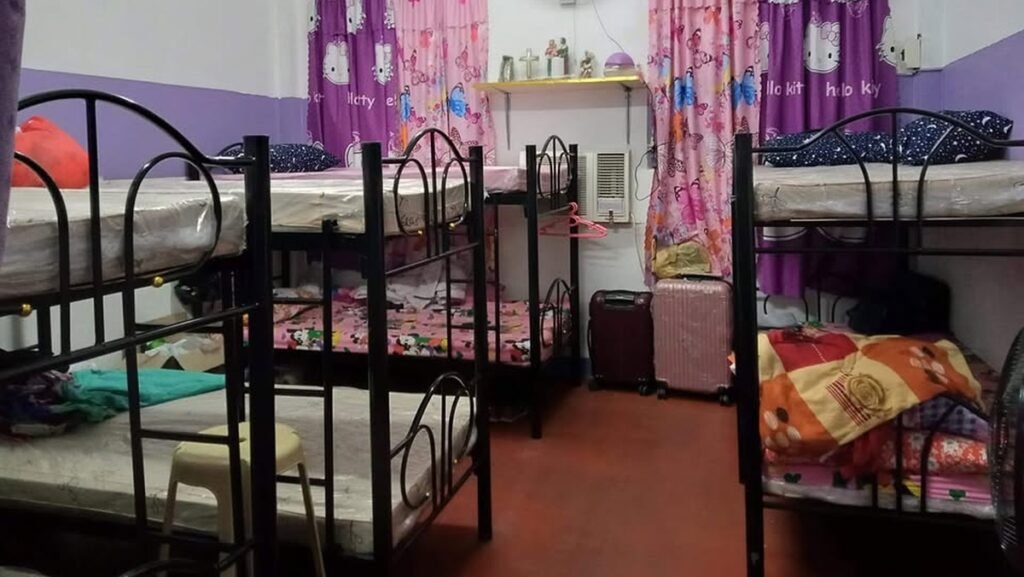
• Overcrowding beyond permitted capacity: Rooms designed for two or three occupants were being rented out to as many as eight or more.

• Lack of proper safety measures: Some properties lacked adequate fire exits, smoke detectors, and emergency preparedness.
• Improper use of residential units: Residential buildings were being converted into dormitory-style setups without proper approvals.
The Dubai hostel chain shut down decision was not made overnight. It followed months of warnings and smaller fines before the final closure order was issued.
The growing issue of multi-occupancy in Dubai
Multi-occupancy housing refers to situations where more people live in a property than what is officially approved. In many cases, this involves splitting rooms with partitions, adding extra beds, or converting living rooms into sleeping areas. While this practice helps reduce rent costs, it often results in cramped, unsafe living conditions.
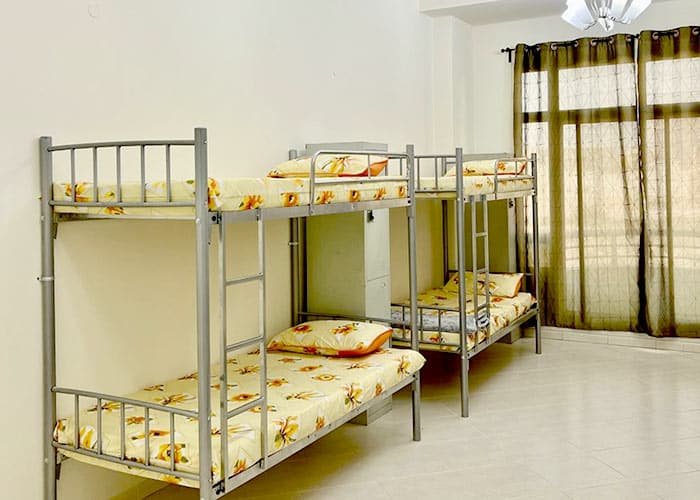
Dubai’s popularity as a destination for job seekers from Asia, Africa, and beyond has led to a growing demand for affordable housing. Many low-income workers and students prefer shared accommodations to save money. However, this has also led to the rise of “bed spaces,” where a single bunk bed is rented on a monthly basis, and a single apartment can house over a dozen people.
The Dubai government has repeatedly emphasized that overcrowding violates safety codes and community standards. In response, they have conducted regular inspections and introduced stricter fines for landlords and tenants violating these rules.
The recent Dubai hostel chain shut down is seen as a continuation of this crackdown.
Impact on residents and tourists
The Dubai hostel chain shut down has left hundreds of residents and tourists scrambling to find new accommodations. Many young expats who relied on the hostel’s affordable beds have had to either move out of Dubai or shift to more expensive housing options.
For residents
Higher living costs: Without cheap hostel options, many low- and middle-income residents are forced to pay higher rents.
Fewer budget choices: Shared hostels were often the only affordable option for students and single workers.
Sudden displacement: Some residents reported having to vacate within days, leaving them in difficult situations.
For tourists
Limited budget travel options: Dubai is not traditionally known as a backpacker-friendly city. Hostels provided an alternative to expensive hotels, especially for solo travelers and young backpackers.
Impact on tourism image: The closure of budget hostels could deter budget-conscious travelers, affecting Dubai’s efforts to position itself as a city open to all segments.
The government’s stance: safety and community well-being
Dubai authorities have defended the crackdown, stating that the primary goal is to protect residents and maintain community standards. According to official statements, overcrowded living conditions can lead to:
• Increased fire hazards: Overcrowding blocks emergency exits and overloads electrical circuits.
• Health and hygiene risks: Too many occupants in small spaces can cause sanitation issues and increase the spread of diseases.
• Neighborhood disturbances: Large numbers of residents in a small unit often create noise and strain shared resources like parking and garbage facilities.
The Dubai government believes that stricter enforcement of housing rules will create safer and more organized communities. Officials also argue that these actions align with the city’s long-term vision of becoming a model for urban living.
How did the hostel chain respond?
After the Dubai hostel chain shut down order was issued, the management released an emotional statement on social media. They expressed disappointment and highlighted their contribution to Dubai’s growing tourism sector.
They argued that they had provided safe, affordable accommodations to thousands of young travelers and students, helping them explore the city without breaking the bank. They also claimed to have followed basic safety protocols and that the problem lay in regulatory gray areas.
Nevertheless, they agreed to comply with the closure order and started assisting residents in relocating. Some former guests praised the staff for their quick help, while others criticized the lack of advance notice.
The economic angle: affordability vs. regulations
Dubai is a city of contrasts, with towering skyscrapers and luxury hotels sitting side by side with humble labor accommodations. While the city promotes a high standard of living, it also depends on a large workforce earning modest wages.
The Dubai hostel chain shut down reflects a bigger challenge: how to balance affordability with strict regulations. Many believe that completely eliminating budget options will make the city less accessible to students, young professionals, and budget travelers.
Experts suggest that instead of only cracking down, authorities could:
• Create regulated budget accommodation zones: Dedicated areas where affordable hostels can operate under strict but fair guidelines.
• Offer subsidies or incentives to landlords: Encourage the creation of safe, low-cost housing without overcrowding.
• Promote co-living concepts: New shared living models with strict safety and occupancy rules can provide affordable options without the negative aspects of multi-occupancy housing.
Alternatives for displaced residents and tourists
With the Dubai hostel chain shut down, affected residents and visitors now need alternatives. Here are some options:
For residents
Company-provided housing: Some employers offer shared accommodations at subsidized rates.
Co-living spaces: New co-living brands have started emerging in Dubai, offering a community feel at reasonable rates.
Shared apartments: Renting a room in an apartment with a few roommates remains a popular choice, though often pricier.
For tourists
Budget hotels: While more expensive than hostels, some budget hotel chains offer deals, especially during off-peak seasons.
Short-term rentals: Platforms like Airbnb offer shared room options at competitive prices.
Serviced apartments: Though usually costly, these may have deals for longer stays or group bookings.
The future of budget accommodations in Dubai
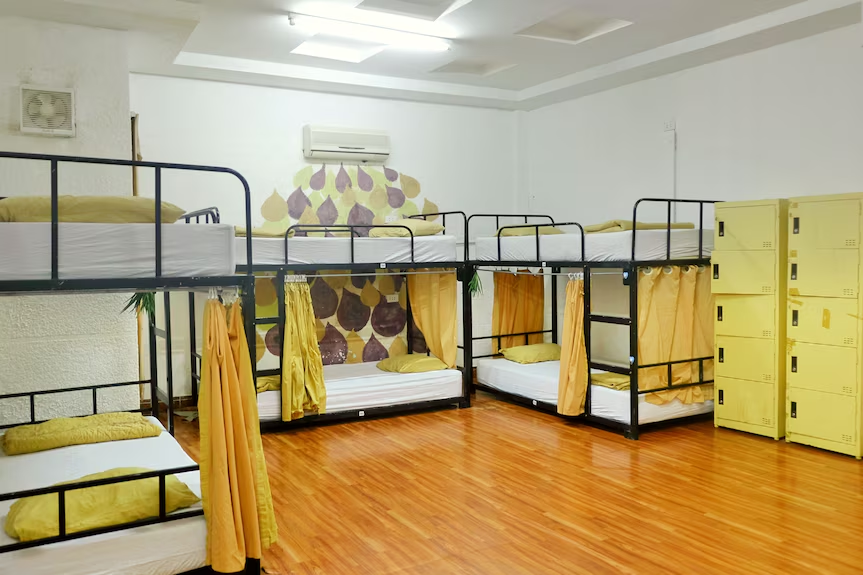
The Dubai hostel chain shut down raises questions about the future of affordable lodging in the city. As Dubai continues to position itself as a premium global destination, there is a risk that it becomes less accessible to younger and budget-conscious travelers.
Industry insiders suggest that Dubai might introduce more regulated co-living and hostel options in the future. The city has already experimented with hybrid hotel-hostel models in some tourist areas. However, for now, the focus remains on eliminating overcrowded and illegal housing setups.
There is also an opportunity here for private investors and entrepreneurs to innovate in the budget accommodation space, creating options that align with Dubai’s strict safety and urban planning standards.
Lessons for landlords and tenants
The Dubai hostel chain shut down serves as a reminder to landlords and tenants alike. Anyone renting or sub-letting in Dubai must follow strict guidelines:
• Always check the official maximum occupancy for any residential unit.
• Avoid structural modifications like partitions without approval.
• Ensure compliance with safety and hygiene regulations.
• Register tenants as required by the Dubai Land Department.
Failure to follow these rules can result in fines, eviction, and business closure.
Final thoughts
The Dubai hostel chain shut down is more than just a headline. It symbolizes the city’s ongoing struggle to balance rapid growth, luxury branding, and inclusiveness. While the authorities’ focus on safety and standards is understandable, it also highlights the urgent need for affordable, regulated accommodation options.
For many young residents and tourists, the closure marks the end of an era. But it could also be the beginning of new, safer, and better-regulated affordable housing initiatives in Dubai. As the city continues to evolve, it will need to consider the needs of all its residents, from high-flying executives to budget-conscious students, to truly be a global city for everyone.
Follow us on Instagram: UAE STORIES
Read More: Palm Jebel Ali vs Palm Jumeirah: Which Dubai Island Is Better for Living and Investment?