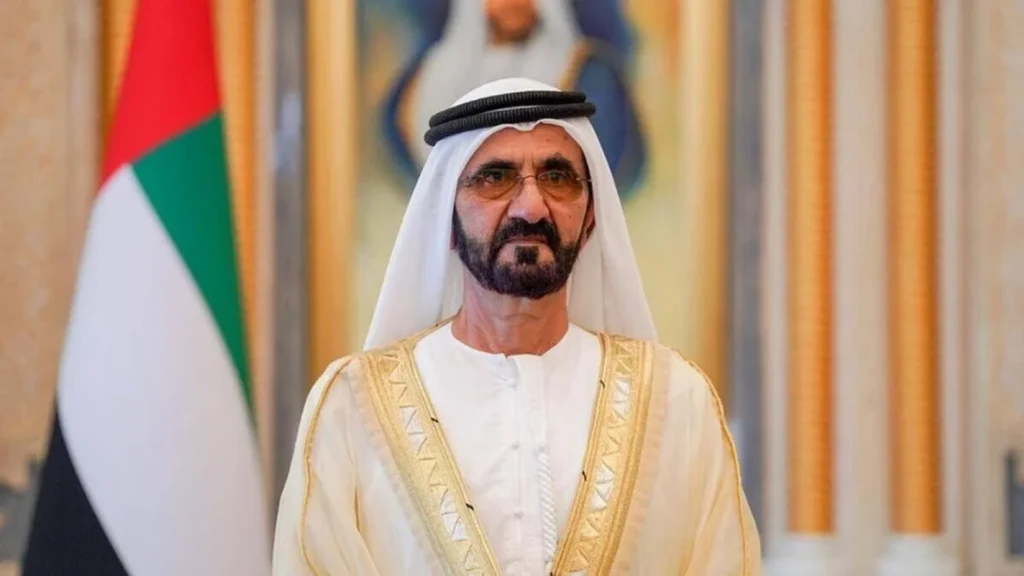
The Dubai Government Budget for the years 2026 to 2028 has been officially approved by His Highness Sheikh Mohammed bin Rashid Al Maktoum, the Ruler of Dubai, Vice President, and Prime Minister of the United Arab Emirates. This marks the largest budget cycle in the history of Dubai, with total planned expenditure reaching AED 302.7 billion and projected revenues of AED 329.2 billion.
This ambitious budget is designed to support Dubai’s continued growth as a global economic powerhouse, promote sustainable development, and improve the quality of life for all residents. The government aims to strike a balance between bold investments and maintaining strong financial health, setting the stage for Dubai’s future prosperity.
A Historic Financial Plan for Dubai’s Future
The three year budget cycle for 2026 to 2028 reflects Dubai’s long term vision of becoming one of the world’s top urban economies. The plan focuses on accelerating economic growth, nurturing innovation, and creating opportunities for businesses and individuals alike.

The Department of Finance expects Dubai to achieve an operating surplus of up to 5 percent of its projected gross domestic product for 2026, which shows a clear commitment to fiscal discipline and sustainability. This surplus will help the emirate build a stable financial foundation that supports continued investments in key sectors.
The budget also aligns closely with Dubai’s broader strategic plans, including Dubai Plan 2033 and the Dubai Economic Agenda D33, which aim to guide the emirate’s development over the coming decades.

Key Priorities of the Dubai Government Budget 2026 to 2028
Sustainable Economic Growth and Innovation
One of the main goals of the budget is to support Dubai’s transformation into a knowledge driven and innovation led economy. The government is investing heavily in future focused sectors such as artificial intelligence, space research, and digital technologies.
This approach is intended to boost productivity, encourage entrepreneurship, and attract global investors who want to be part of Dubai’s rapidly evolving economic landscape. By prioritizing innovation, Dubai aims to maintain its position as a leader in technology and business.
Social Development and Community Well-being
The budget strongly emphasizes social services and community support. About 28 percent of total government spending in 2026 is allocated to areas such as health, education, scientific research, housing, family welfare, youth programs, and support for people of determination.
This people first approach ensures that economic growth translates into improved quality of life for all residents. The government continues to focus on building a healthy, educated, and inclusive society where everyone has access to essential services.
Infrastructure and Urban Development
Infrastructure remains a cornerstone of Dubai’s growth strategy. Nearly half of the 2026 budget is dedicated to infrastructure projects that include roads, bridges, public transport, renewable energy facilities, sewage systems, parks, and waste management.
These investments are critical for supporting the emirate’s rapid urbanization, improving mobility, and promoting sustainability. Enhanced infrastructure will also enable Dubai to meet the needs of its growing population and maintain its appeal as a top destination for residents and visitors.
Fiscal Discipline and Financial Stability
Dubai’s government has adopted a disciplined fiscal approach to ensure financial stability and build resilience against global uncertainties. The 2026 to 2028 budget cycle includes a general reserve of AED 5 billion to safeguard the emirate’s financial position.
Maintaining an operating surplus, managing expenditures wisely, and ensuring transparency in financial operations are key elements of this strategy. The government’s financial planning is designed to maximize the economic returns on public investments while maintaining a strong credit rating and investor confidence.
This careful balance allows Dubai to continue undertaking major development projects without compromising its long term fiscal health.
Digital Transformation and Smart Government Initiatives
Digital innovation is at the heart of Dubai’s public finance management. The government is advancing initiatives that promote transparency, efficiency, and ease of access to financial information.
Dubai is also committed to expanding its digital economy through strategies like the Dubai Cashless Strategy, which encourages the use of secure digital payments to reduce reliance on cash. This supports smoother government operations, faster services, and greater convenience for businesses and citizens.
Adopting global accounting standards and improving budget execution processes further strengthen Dubai’s position as a transparent and well managed government.
Enhancing Government Services and Customer Experience
The government is also focused on improving service delivery through shared government services and enhanced communication platforms. The Dubai Government Unified Contact Centre, for example, provides a single point of contact for residents, streamlining access to government services.
These initiatives aim to create a smarter, more agile government that can respond quickly to the needs of the community while promoting innovation and efficiency within government operations.
Sectoral Spending Breakdown for 2026
Social development receives 28 percent of the total expenditure, focusing on health, education, housing, youth, and support for vulnerable groups.
Security and safety account for 18 percent, ensuring public safety and operational readiness, which remains a key priority.
Infrastructure investment makes up 48 percent, with major projects in roads, transport, energy, and urban services.
Government development initiatives receive 6 percent, supporting innovation, performance enhancement, and excellence.
A Roadmap to Dubai’s Long Term Vision
The Dubai Government Budget 2026 to 2028 is more than a financial document; it is a roadmap for the emirate’s future. It lays out a clear plan for accelerating growth, fostering innovation, and improving the lives of residents.
By investing in advanced technologies, supporting social development, and building world class infrastructure, Dubai is positioning itself to meet the challenges and opportunities of the coming decade.
The budget also reflects the emirate’s determination to maintain a balanced approach, pursuing ambitious growth while ensuring financial stability and resilience.
Conclusion
The approval of Dubai’s largest ever budget cycle signals the emirate’s unwavering commitment to progress, innovation, and community welfare. With AED 302.7 billion allocated over three years, the Dubai Government is poised to drive sustainable economic development, foster a knowledge based economy, and enhance the quality of life for all.
As Dubai continues on its path toward becoming one of the world’s top urban economies, this budget provides the necessary financial framework to turn vision into reality. It supports a future where Dubai remains a global leader in economic competitiveness, digital transformation, and urban development.
The coming years will see Dubai leveraging this financial plan to build a vibrant, resilient, and inclusive city that inspires the world.
Do follow UAE Stories on Instagram
Read Next – UAE Finland Partnership on AI and Space Drives New Innovation Era