Dubai GDP growth reached a remarkable 4.4 percent in the first half of 2025, bringing the city’s economic output to AED241 billion, or $65.6 billion. This strong performance demonstrates the effectiveness of Dubai’s strategic economic planning and highlights the significant role of private-sector collaboration in driving sustained growth.
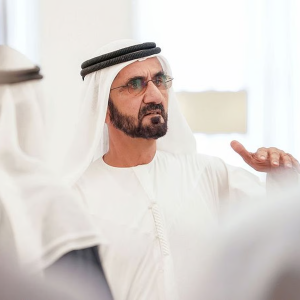
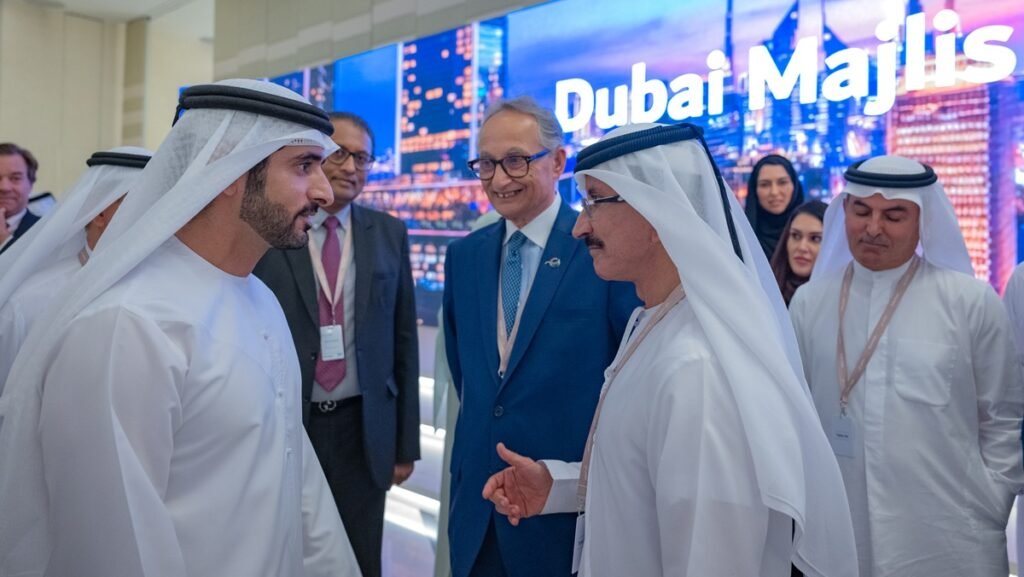
Sheikh Hamdan bin Mohammed bin Rashid Al Maktoum, Crown Prince of Dubai, Deputy Prime Minister and Minister of Defence of the UAE, and Chairman of The Executive Council of Dubai, has been instrumental in guiding this growth. His directives to government entities have focused on intensifying support for the private sector and accelerating progress toward the Dubai Economic Agenda, known as D33.
The city’s steady GDP growth demonstrates Dubai’s ability to maintain momentum despite global economic uncertainties. It also reflects the effectiveness of its policy frameworks designed to promote sustainable growth, innovation, and investment opportunities.

Government and Private Sector Collaboration
A key factor in Dubai’s economic expansion is the strengthened collaboration between government entities and the private sector. Sheikh Hamdan has highlighted the importance of providing businesses with strong institutional support, enabling them to innovate, expand, and contribute meaningfully to the city’s economic ecosystem.
This cooperative approach encourages private companies to invest in high-impact sectors, such as technology, trade, tourism, and real estate. By facilitating partnerships, Dubai is creating a diversified economy that is less reliant on any single revenue stream and more resilient to global economic shifts.

Government support includes streamlining regulatory processes, introducing financial incentives, and creating opportunities for public-private partnerships. These measures empower businesses to take bold steps in expanding operations and exploring new markets.
Accelerating the Dubai Economic Agenda: D33
The Dubai Economic Agenda, known as D33, serves as a roadmap for the city’s long-term economic transformation. It aims to foster sustainable growth, enhance global competitiveness, and attract international investments. Sheikh Hamdan has directed government bodies to align their policies closely with D33, ensuring that private-sector enterprises have the support needed to thrive.
The agenda emphasizes innovation, technology adoption, and digital transformation as drivers of economic growth. By creating an enabling environment for businesses, D33 promotes not only financial growth but also social and infrastructural development.
Through D33, Dubai is positioning itself as a global economic hub capable of attracting top talent, fostering entrepreneurship, and maintaining steady GDP growth even amid global uncertainties.
Sector-wise Growth and Opportunities
Dubai GDP growth of 4.4 percent in H1 2025 has been supported by broad-based contributions across key economic sectors. Real estate continues to attract significant investment due to strategic urban development projects and infrastructure expansion. This sector remains a vital pillar, offering employment opportunities and boosting economic activity.
The tourism and hospitality sector has also made a strong recovery, cementing Dubai’s status as a global destination. With world-class hotels, events, and leisure activities, the city continues to attract millions of international visitors each year.
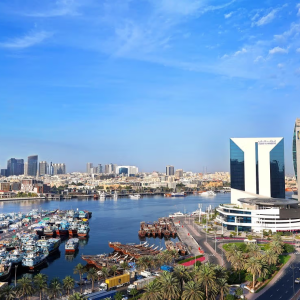
Trade and logistics remain essential components of Dubai’s economic framework. The city’s strategic location, modern ports, and efficient supply chains make it a hub for global commerce. Additionally, financial services, technology, and renewable energy sectors are witnessing accelerated growth, reflecting Dubai’s commitment to diversification and innovation.
Strengthening the Private Sector
Sheikh Hamdan has emphasized that a thriving private sector is essential for sustainable economic growth. Government policies aim to make it easier for businesses to operate, innovate, and expand. Measures include reducing bureaucratic hurdles, providing incentives for entrepreneurship, and establishing platforms for collaboration and knowledge exchange.
By enabling the private sector, Dubai is not only driving GDP growth but also creating high-value jobs and promoting economic resilience. Entrepreneurs and companies are encouraged to develop innovative solutions, expand their operations, and contribute to the city’s long-term prosperity.
This strategic support also ensures that small and medium enterprises can compete on a global scale, further strengthening Dubai’s economic foundations.
Digital Transformation and Innovation
Digital technology plays a central role in Dubai’s economic strategy. Smart city initiatives, fintech innovation, and AI-driven solutions are being implemented across multiple sectors to improve efficiency, reduce costs, and enhance competitiveness.
These initiatives align with Sheikh Hamdan’s vision of an economy driven by innovation and technology. By investing in advanced solutions, Dubai is not only modernizing existing industries but also creating new opportunities in emerging sectors.
The adoption of digital technologies helps companies operate more efficiently, attract international investors, and maintain a competitive edge in a rapidly evolving global market.
Global Investments and Trade Expansion
Dubai’s GDP growth is further supported by international investments and expanding trade links. The city’s political stability, business-friendly environment, and advanced infrastructure continue to attract global investors.
Strategic partnerships and trade agreements have strengthened Dubai’s position in the global marketplace. This enables local companies to access new markets, increase exports, and contribute to overall economic growth.
Foreign direct investment is also a major contributor to GDP growth, supporting innovation, entrepreneurship, and job creation. Dubai’s ability to attract global capital underlines its reputation as a leading destination for business and trade.
Future Economic Outlook
The outlook for Dubai’s economy remains optimistic. Continued government support combined with a vibrant private sector is expected to sustain GDP growth in the coming years. Strategic initiatives under the D33 agenda, along with investments in technology and innovation, are likely to strengthen Dubai’s economic resilience.
Sheikh Hamdan’s leadership ensures that Dubai balances rapid growth with sustainable development. The city’s strategic focus on diversification, innovation, and international partnerships positions it well for long-term prosperity.
With a supportive business environment, robust infrastructure, and global connectivity, Dubai is set to maintain its status as a leading economic hub in the region and the world.
Dubai’s first-half GDP growth of 4.4 percent represents more than just numerical growth. It reflects effective governance, proactive policy-making, and the active role of the private sector in driving progress. By fostering collaboration, supporting innovation, and investing in key sectors, Dubai is charting a path toward sustainable, inclusive, and long-term economic prosperity.
The continued expansion of real estate, tourism, trade, and technology sectors, combined with international investments and digital transformation, demonstrates Dubai’s readiness for future challenges and opportunities. This coordinated approach ensures that Dubai’s economy remains strong, resilient, and positioned for global leadership.
Dubai’s growth story is a testament to visionary leadership, strategic planning, and a collaborative approach that includes government, private enterprises, and international partners. As the city continues to implement the D33 agenda and strengthen its private sector, it is likely to see even more robust economic achievements in the years ahead.
Do follow UAE Stories on Instagram
Read Next – What is UAE Commemoration Day?