
Introduction to Dubai Cycling Lanes and Bike-Sharing Programs
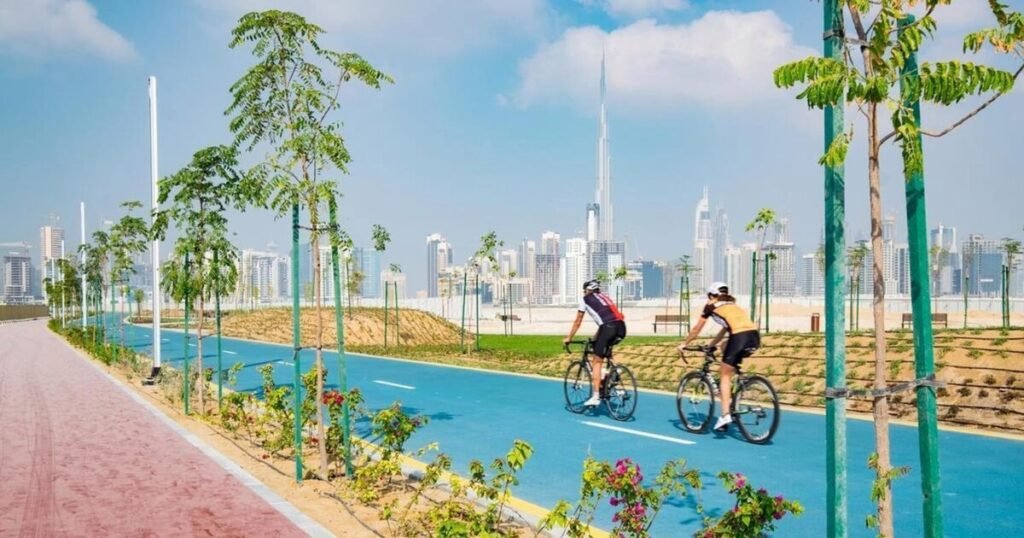
Dubai cycling lanes and bike-sharing programs are reshaping urban mobility by promoting healthier, eco-friendly, and efficient transportation. As the city grows, integrating cycling infrastructure into the urban landscape supports sustainability, reduces traffic congestion, and provides residents and tourists with convenient commuting options.
From dedicated cycling lanes to app-based bike-sharing systems, Dubai invests in projects that encourage active transport. These initiatives align with the city’s vision for smart, green, and livable urban spaces, combining convenience with environmental responsibility.

Development of Cycling Lanes in Dubai
Dubai has been steadily expanding its network of cycling lanes to promote safe and accessible routes for riders. Dedicated paths connect residential areas, business districts, parks, and popular tourist destinations, ensuring convenience and safety for commuters.
The development focuses on segregating cycling lanes from vehicle traffic, providing clear signage, and offering well-maintained surfaces. This approach enhances user safety and encourages more residents and visitors to adopt cycling as a regular mode of transport.

Overview of Bike-Sharing Programs
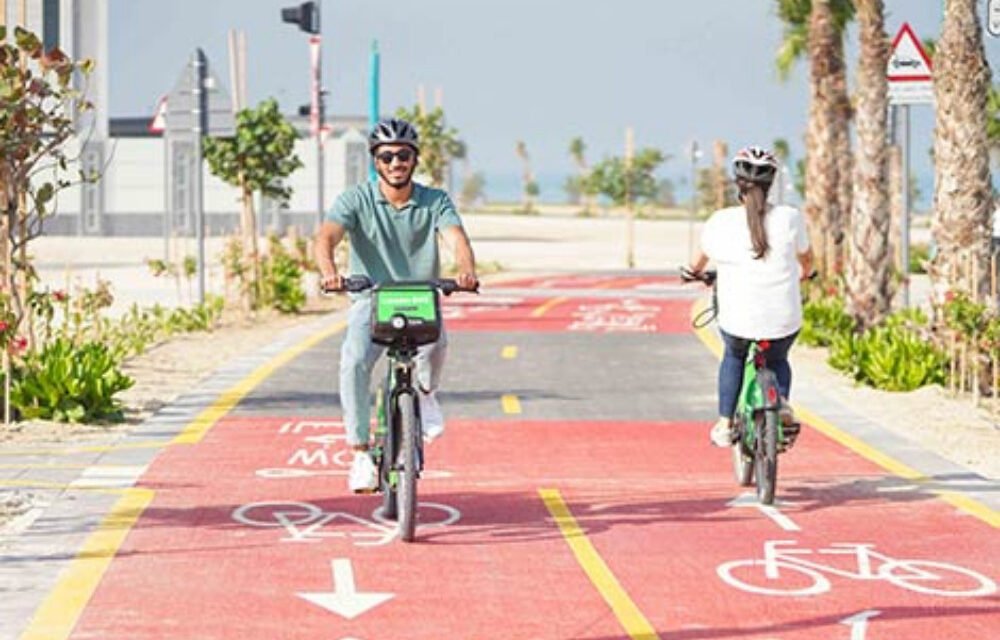
Bike-sharing programs in Dubai provide flexible, on-demand access to bicycles through mobile apps and smart kiosks. Popular systems allow riders to rent bikes for short trips or daily commuting, making cycling accessible to everyone without the need to own a personal bicycle.
These programs include both conventional bikes and electric bicycles, catering to diverse commuting needs and distances. Integration with public transport networks ensures seamless travel across the city, enhancing mobility and convenience.
Health Benefits of Cycling Initiatives
Cycling lanes and bike-sharing programs promote physical activity and healthier lifestyles. Regular cycling improves cardiovascular health, strengthens muscles, and supports mental well-being.
By encouraging active transport, Dubai reduces sedentary habits, promotes wellness, and supports community health initiatives. These programs offer both residents and tourists an enjoyable and practical way to stay active while commuting.
Environmental Impact and Sustainability
Dubai cycling lanes and bike-sharing initiatives reduce reliance on cars, lowering greenhouse gas emissions and air pollution. Promoting cycling contributes to sustainable urban development by minimizing traffic congestion and reducing the city’s carbon footprint.
Sustainability-focused planning aligns with Dubai’s environmental goals and global commitments to climate action. Bike-sharing programs encourage eco-conscious travel, supporting cleaner and greener urban spaces.
Integration with Public Transport
Cycling infrastructure is integrated with Dubai’s public transport system to provide multi-modal commuting options. Bike-sharing stations are strategically placed near metro stations, bus stops, and transport hubs, enabling passengers to combine cycling with other modes of travel.
Seamless integration enhances convenience, reduces travel times, and encourages more residents to choose cycling for short and medium-distance journeys.
Safety Measures for Cyclists
Safety is a core focus of Dubai’s cycling initiatives. Dedicated lanes, protective barriers, traffic signals, and clear road markings ensure a secure environment for cyclists.
Bike-sharing programs also provide helmets, reflective gear, and rider education to enhance safety. Regular maintenance of lanes and bicycles further contributes to a safe and reliable cycling experience.
Technology in Bike-Sharing Programs
Modern technology drives Dubai’s bike-sharing programs. Mobile apps allow users to locate, rent, and pay for bikes easily. GPS tracking, automated docking stations, and digital notifications improve operational efficiency and user convenience.
Technology also supports maintenance scheduling, real-time availability updates, and analytics to optimize bike distribution and ensure a seamless experience for commuters.
Promoting Tourism and Recreational Activities
Cycling lanes and bike-sharing programs enhance Dubai’s appeal to tourists by providing a fun, eco-friendly way to explore the city. Scenic routes along waterfronts, parks, and iconic landmarks allow visitors to enjoy sightseeing while staying active.
Recreational cycling events, guided tours, and themed routes promote tourism, encourage cultural engagement, and highlight Dubai’s commitment to sustainable urban experiences.
Community Engagement and Awareness
Dubai encourages community participation in cycling initiatives through events, workshops, and awareness campaigns. Educational programs highlight the benefits of cycling, safety guidelines, and environmental impact.
Engaging communities fosters a cycling culture, encourages regular use of bike-sharing systems, and strengthens public support for sustainable urban transport policies.
Economic and Social Benefits
Cycling lanes and bike-sharing programs generate economic and social benefits. They create job opportunities in operations, maintenance, and technology management while reducing traffic congestion costs and commuting time.
Socially, cycling promotes inclusivity, provides affordable transport options, and encourages social interaction. Bike-sharing programs are accessible to students, professionals, families, and tourists alike.
Challenges and Solutions
Challenges for cycling initiatives include harsh weather conditions, traffic interaction, and maintenance of infrastructure and bikes. Addressing these challenges involves providing shaded routes, dedicated cycling lanes, and regular equipment checks.
Education campaigns, safety training, and policy support help overcome barriers and ensure the sustainable growth of cycling as a mainstream urban transport option.
Expansion Plans and Future Outlook
Dubai continues to expand cycling lanes and bike-sharing networks to cover more areas and accommodate increasing demand. Future plans include connecting residential areas with business districts, integrating electric bikes, and enhancing smart infrastructure.
With technological advancements, innovative mobility solutions, and community engagement, Dubai is positioned to become a global leader in sustainable urban cycling initiatives.
Encouraging Lifestyle and Wellness
Dubai cycling initiatives contribute to overall lifestyle improvements by promoting outdoor activity, wellness, and environmental consciousness. Residents and tourists benefit from convenient, healthy, and enjoyable commuting options that align with modern urban living.
The city’s focus on cycling fosters a vibrant, active, and environmentally aware community, enhancing quality of life while supporting long-term urban sustainability goals.
Conclusion
Dubai cycling lanes and bike-sharing programs represent a forward-thinking approach to urban mobility. By combining safety, technology, sustainability, and convenience, these initiatives promote healthier lifestyles, reduce traffic congestion, and enhance the city’s overall livability.
Through continued investment, community engagement, and integration with public transport, Dubai ensures that cycling remains an accessible, safe, and efficient option for all. These efforts position the city as a global example of sustainable, innovative, and passenger-friendly urban transport.
Do follow UAE Stories on Instagram