

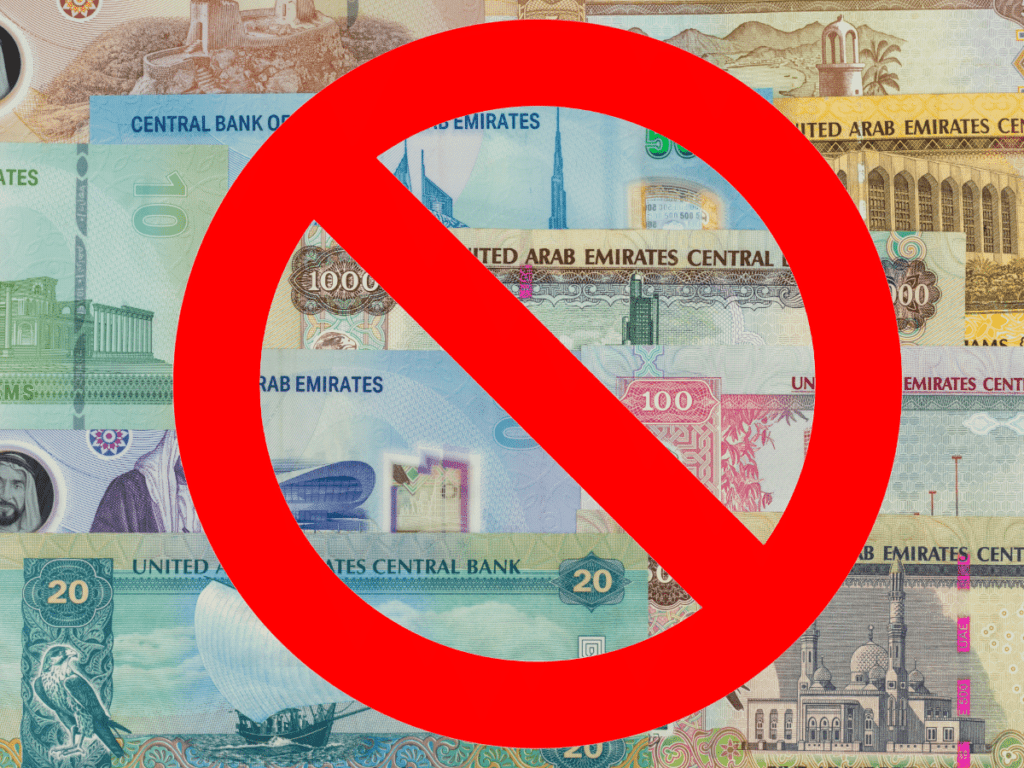
Dubai has never been shy about reimagining the future, and its next major transformation is set to change how people pay for almost everything. From groceries and taxis to government services and airline tickets, the city is steadily moving toward a future where physical money plays a very small role. Under the Dubai Cashless Strategy, the emirate plans for the vast majority of transactions to be completed digitally, reshaping daily life for residents, businesses, and visitors alike.
This shift is not about eliminating money itself. Instead, it is about replacing notes and coins with secure, fast, and convenient digital payment methods. Banking apps, debit and credit cards, mobile wallets, and contactless technologies are at the heart of this transition, all designed to make payments simpler and more efficient across the city.
What the Dubai Cashless Strategy Really Means
The Dubai Cashless Strategy was officially announced in October 2024, setting a clear roadmap for how the emirate intends to modernise its payment ecosystem. The goal is ambitious but clear: digital payments should account for around 90 percent of all transactions across government and private sectors by the end of 2026.

This move is expected to generate significant economic benefits. Digital payments improve efficiency, reduce transaction costs, and enhance transparency, all of which contribute to stronger economic growth. Projections indicate that widespread adoption of cashless transactions could add more than Dhs8 billion to Dubai’s economy each year, reinforcing the city’s status as a global financial and innovation hub.
How Payments Will Work in a Cashless Dubai
Going cashless does not mean there will be only one way to pay. On the contrary, the strategy encourages a wide range of digital payment options to suit different needs and preferences. Credit and debit cards already play a major role, but mobile wallets and app-based banking solutions are becoming increasingly popular.

Contactless payments are a key pillar of this transformation. Tapping a card or phone to pay is faster than handling cash and reduces friction at checkout counters. Over time, residents and visitors can expect even more advanced options, including AI-driven payment solutions that personalise and secure transactions in real time.
Government Services Go Fully Digital
One of the most impactful aspects of the strategy is its application to government services. Dubai Finance has taken the lead in rolling out awareness campaigns and partnerships to ensure that digital payments become the norm across public sector transactions.
A major step in this direction came through a Memorandum of Understanding between Dubai Finance and the General Directorate of Identity and Foreigners Affairs in Dubai. This agreement focuses on expanding digital payment channels, improving security, and streamlining financial transactions. For residents, this could change how visa applications, renewals, and other official services are paid for, making the process quicker and more convenient.
What It Means for Businesses and Workers
For businesses, the shift to cashless payments represents both an opportunity and a responsibility. The city’s long-term plan is for 100 percent of stores and service providers to accept digital payments, ensuring no customer is left behind. This includes everything from large retailers to small neighbourhood shops.
To support this transition, Dubai Finance has partnered with the Dubai International Financial Centre to deliver specialised workshops and training sessions. These initiatives help businesses understand digital payment systems, improve customer experiences, and integrate AI-powered tools that add value for employees and clients alike.
Workers also stand to benefit. Digital payments can simplify salary disbursements, expense claims, and reimbursements, reducing paperwork and delays. Over time, this efficiency can improve financial inclusion and stability across the workforce.
Tourists and Travellers Are Part of the Plan
Dubai’s economy relies heavily on tourism, and the cashless strategy takes visitors into account. Many international tourists still rely on cash when travelling, and Dubai aims to make digital payments more accessible and inclusive for them.
To achieve this, Emirates and flydubai have signed agreements with Dubai Finance to promote digital payment adoption among travellers. These initiatives focus on encouraging visitors to use cards and mobile wallets, while ensuring payment systems are easy to understand and widely accepted throughout the city.
For tourists, this means fewer worries about currency exchange, carrying cash, or searching for ATMs. Instead, paying for hotels, transport, shopping, and dining becomes seamless and familiar.
Innovation at the Core of the Strategy
Technology is the driving force behind Dubai’s cashless ambition. The strategy places a strong emphasis on innovation, particularly in areas such as artificial intelligence and fintech solutions. AI-driven systems can help detect fraud, personalise payment experiences, and ensure transactions are secure and reliable.
Contactless and mobile technologies also support public health and convenience, reducing the need for physical interaction during payments. As these technologies mature, residents can expect smoother, faster, and safer ways to manage their finances.
Leadership and Vision Behind the Move
The announcement of the Dubai Cashless Strategy followed a meeting of The Executive Council of Dubai, chaired by Sheikh Hamdan bin Mohammed bin Rashid Al Maktoum. During this meeting, the vision was clearly outlined: Dubai aims to rank among the top five cashless cities in the world.
The discussion went beyond payments, touching on broader strategies related to real estate, education, and future transport. This highlights how the cashless initiative fits into a larger vision of building a smart, connected, and forward-looking city.
Will Cash Completely Disappear?
While the strategy strongly encourages digital payments, it does not mean cash will vanish overnight. The transition is gradual, giving individuals and businesses time to adapt. However, as acceptance and convenience grow, the need for physical money is expected to diminish significantly.
Traditional practices such as bargaining with cash at local markets or holding onto spare change may become less common. In their place will be QR codes, mobile taps, and instant digital confirmations.
Preparing for Life in a Cashless Dubai
For residents, preparing for a cashless future means becoming comfortable with digital tools. Setting up banking apps, enabling mobile wallets, and understanding security features are practical first steps. For businesses, investing in reliable payment infrastructure and staff training will be essential.
Dubai’s approach is designed to be inclusive, ensuring that everyone in the city has access to digital payment options. By focusing on awareness, partnerships, and innovation, the emirate is laying the groundwork for a future where paying is effortless, secure, and fast.
Dubai’s move toward a cashless society is more than a technological upgrade. It is a shift in how the city functions day to day, reflecting its commitment to innovation, efficiency, and global leadership. As the strategy unfolds, one thing is clear: the way people pay in Dubai is changing for good.
Do follow UAE Stories on Instagram
Read Next – Eid Holidays 2026: Al Fitr and Al Adha Dates You Need to Know