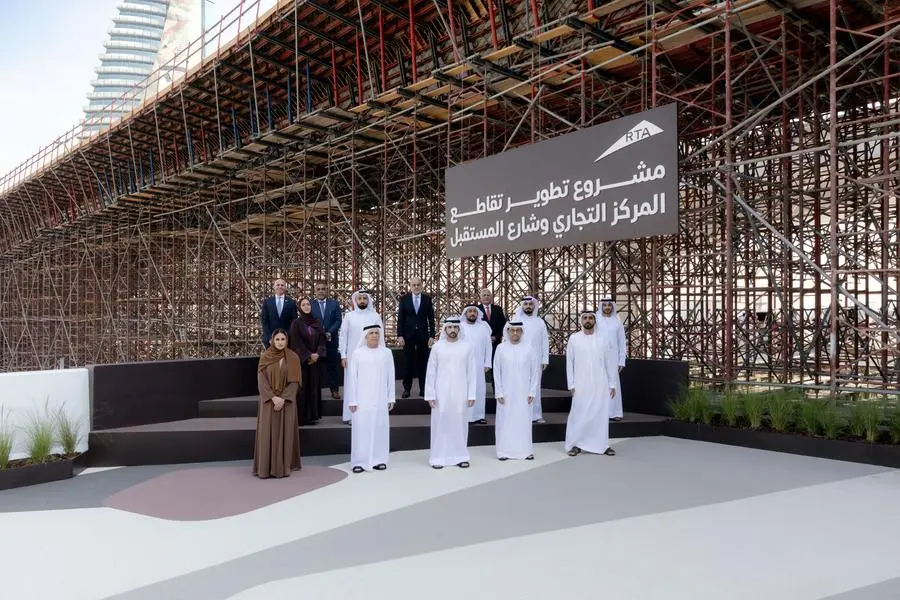
Dubai is taking its road infrastructure to a new level with the introduction of a comprehensive architectural identity. The initiative aims to strengthen the city’s road network, unify design standards, and enhance the visual harmony of its urban landscape while promoting sustainability.
This architectural identity integrates aesthetics, functionality, and environmentally friendly solutions, ensuring that Dubai’s roads are efficient, visually appealing, and aligned with the city’s long-term urban vision.
Leadership-Driven Vision
His Highness Sheikh Hamdan bin Mohammed bin Rashid Al Maktoum, Crown Prince of Dubai, Deputy Prime Minister, Minister of Defense, and Chairman of The Executive Council of Dubai, has approved the architectural identity framework. This move is part of a broader effort to create a cohesive and aesthetically consistent road network across the emirate.

The approval underscores Dubai’s commitment to embedding design excellence into infrastructure projects. By ensuring that roads, bridges, and tunnels adhere to unified design principles, Dubai is establishing itself as a global benchmark for urban planning.
Transforming Key Road Projects
The architectural identity has already influenced major developments, including the Trade Centre Roundabout and Al Mustaqbal Street improvement projects. These initiatives, costing AED 1.3 billion, include the construction of seven bridges and three tunnels covering 6,500 meters.

Designed to support key destinations such as Dubai World Trade Centre, Dubai International Financial Centre, Emirates Towers, Museum of the Future, and Downtown Dubai, these upgrades are expected to serve more than one million residents and significantly reduce travel time.
Tunnels as Cultural and Artistic Landmarks
A distinctive feature of the architectural identity is the transformation of tunnels into cultural and artistic landmarks. Through innovative design features, murals, and creative lighting, the Dubai Tunnels initiative enhances the visual appeal of these key transport corridors.
By incorporating art into infrastructure, Dubai is turning functional spaces into immersive experiences that reinforce the city’s identity while supporting principles of visual quality and aesthetic cohesion.
A Unified Network Serving Millions
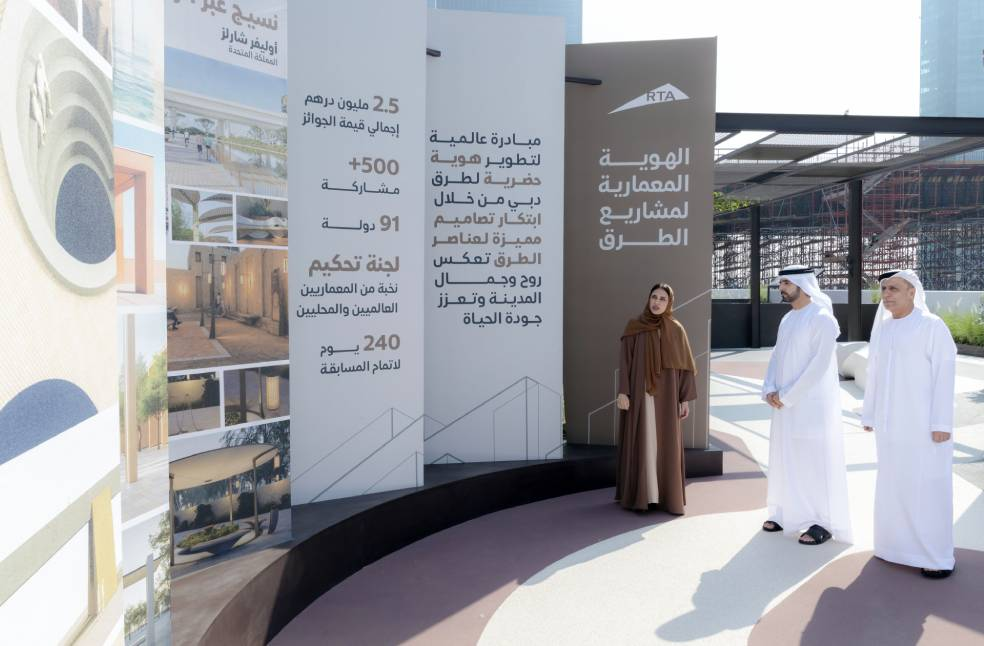
During a site visit to the Trade Centre Roundabout project, His Highness was briefed by His Excellency Mattar Al Tayer, Director General and Chairman of the Board of Executive Directors of Dubai’s Roads and Transport Authority.
Al Tayer highlighted that Dubai’s road network spans over 25,000 lane-kilometers and serves more than 3.5 million vehicles daily. The implementation of the architectural identity ensures that the city’s infrastructure is not only functional but also visually cohesive and future-ready.
Alignment With Dubai 2040 Urban Master Plan
The architectural identity aligns with the Dubai 2040 Urban Master Plan, emphasizing the enhancement of quality of life and urban coherence. The framework sets high standards for bridges, canopies, lighting, street furniture, and public spaces.
Sustainability is a core principle, with environmentally friendly materials prioritized and designs carefully balancing form and function. This ensures Dubai’s infrastructure is prepared to meet both current needs and future growth.
Six Distinct Urban Zones
Dubai has been divided into six zones, each with tailored design standards to preserve the emirate’s unique character. These zones include residential, rural, industrial, mixed-use, historical and artistic, and high-end attraction areas.
Each zone has specific materials, colors, and architectural style guidelines, creating visual cohesion while respecting Dubai’s diverse urban identity. This zoning ensures that every road, bridge, and tunnel contributes to a harmonious cityscape.
Global Design Input
The architectural identity benefits from international design expertise through the Dubai Urban Challenge, a global competition that attracted more than 500 participants from 91 countries. Winning entries, evaluated by leading architects, introduced innovative ideas that support the city’s architectural framework.
Incorporating these global concepts ensures that Dubai continues to set international standards for infrastructure design while fostering creativity and innovation.
Advanced Technologies for Safer Roads
Dubai’s Roads and Transport Authority is integrating advanced technologies into new tunnels, including smart lighting systems and high-performance panels. These innovations enhance safety, improve the user experience, and optimize energy efficiency.
By combining technology with design, Dubai’s road network becomes a model of modern urban infrastructure that blends functionality, safety, and aesthetics.
Improving Residents’ Daily Experience
The architectural identity is designed to improve the daily experience of residents and visitors. Roads and bridges are no longer seen as purely functional spaces; they are environments that enhance urban life. Reduced travel times, safer roads, and visually appealing surroundings create a more comfortable and enjoyable commuting experience.
The initiative demonstrates Dubai’s commitment to designing infrastructure that prioritizes people’s needs, creating spaces that are practical, safe, and inspiring.
A Sustainable and Cohesive Future
The architectural identity promotes sustainability by using environmentally conscious materials and energy-efficient systems. It emphasizes harmony between form and function, ensuring that infrastructure contributes positively to the city’s aesthetic and environmental goals.
By combining sustainability, design excellence, and advanced technology, Dubai is setting a benchmark for cities worldwide. The roads of tomorrow in Dubai are designed to be more than functional—they are envisioned as landmarks of beauty, culture, and innovation.
Conclusion
Dubai’s new architectural identity represents a milestone in urban planning and infrastructure development. It integrates design, sustainability, advanced technology, and cultural elements to create a road network that is functional, visually appealing, and future-ready.
By standardizing design principles, incorporating global innovation, and prioritizing sustainability, Dubai is creating a road system that enhances urban life and serves as a model for cities around the world. Every bridge, tunnel, and public space reflects a vision of a cohesive, beautiful, and forward-thinking city.
Dubai is proving that roads can be more than mere transportation routes—they can be spaces of culture, design, and inspiration.
Do follow UAE Stories on Instagram
Read Next – Aldar and ADIO Launch Luxury Rewards at The Galleria Abu Dhabi