Introduction: A New Milestone in Global Travel
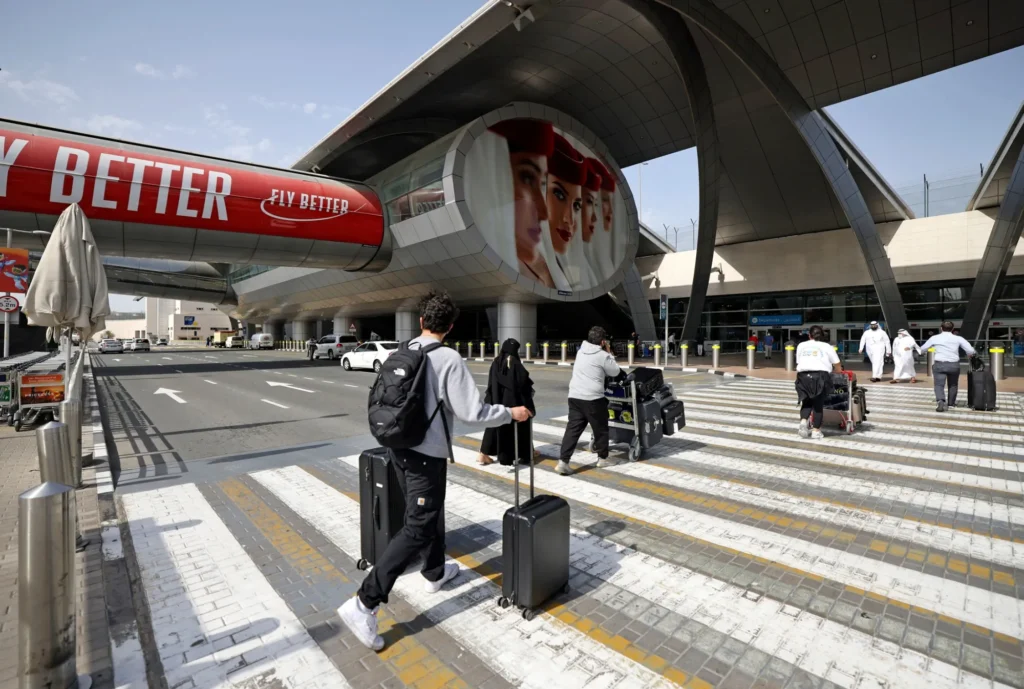
Dubai Airport sees surge in transit passengers — record quarter, a milestone that once again highlights the city’s unrivaled role as a global aviation hub. Known for its efficiency, scale, and innovative services, the airport has long connected East and West, but the latest surge shows how vital its role has become in the post-pandemic travel recovery. With millions choosing Dubai as a transit point, the airport is redefining what it means to be a global crossroads.
Why Transit Passengers Choose Dubai
Transit passengers are a key part of Dubai Airport’s success. The airport’s strategic location between Asia, Europe, Africa, and the Americas allows travelers to minimize travel times while enjoying seamless connectivity. Airlines such as Emirates and flydubai offer expansive route networks that make Dubai an ideal stopover. Add to that efficient immigration procedures, modern lounges, world-class shopping, and luxurious rest facilities, and it becomes clear why transit traffic continues to grow.
Breaking Records: What the Numbers Reveal
This record quarter marks one of the busiest periods in Dubai Airport’s history. The surge is not a temporary spike but a reflection of steady growth in international travel demand. Analysts point to several drivers: increased flight frequencies, new route launches, and a rebound in leisure and business travel. With global travel stabilizing, Dubai has emerged stronger than ever, attracting travelers who see the city as a trusted and convenient hub.

Emirates and Flydubai: Driving the Growth
Much of this growth can be attributed to Emirates and flydubai. These carriers have worked strategically to expand their networks, focusing on both primary and secondary cities. By offering smooth connections under a coordinated schedule, they give transit passengers minimal layover times and maximum convenience. Their combined reach, supported by Dubai’s airport infrastructure, has created a seamless experience that sets the standard for global aviation.
Infrastructure Designed for Growth
Dubai Airport was built with growth in mind. From its multiple terminals to specialized concourses dedicated to A380 superjumbo aircraft, the airport is uniquely positioned to handle large volumes of passengers efficiently. Recent investments in smart gates, AI-powered baggage systems, and digital wayfinding tools make transits smoother than ever. Even at peak times, passengers experience comfort, speed, and reliability, which reinforces loyalty and satisfaction.

The Role of Tourism and Stopovers
An interesting factor in the rise of transit traffic is the stopover strategy. Dubai actively encourages passengers to extend their layovers, turning transit into tourism. Through dedicated packages, travelers can enjoy city tours, shopping, or simply relax in world-class hotels before continuing their journeys. This dual role—both as a transit hub and as a destination—sets Dubai apart from many other global airports.
Passenger Experience: More Than Just Transit
What makes Dubai’s record-breaking quarter even more impressive is the attention to passenger experience. For transit travelers, the airport is not just a passage—it is part of the journey. From gourmet dining and luxury retail to wellness centers and quiet lounges, the facilities turn waiting time into an enjoyable experience. Families benefit from play zones, while business travelers enjoy seamless Wi-Fi and meeting spaces. These features elevate the airport from a mere hub to an experience in itself.
Technology at the Core
Dubai Airport’s surge is also tied to its investment in technology. Smart gates allow passengers to pass through immigration in seconds, while biometric boarding reduces queues. Real-time flight updates via mobile apps help travelers plan better, while AI-driven baggage tracking ensures reliability. By blending advanced technology with human-centric services, Dubai Airport has created a model of efficiency that appeals to global travelers.
Global Events and Recovery Momentum
This record quarter is also linked to broader travel recovery trends and global events. Dubai has hosted major conferences, expos, and sporting events that attract international visitors. At the same time, easing travel restrictions in Asia, Europe, and Africa has boosted long-haul travel. The airport’s ability to adapt quickly to fluctuating global conditions has allowed it to capture this momentum more effectively than competitors.
Strengthening Dubai’s Position as a Global Hub
The surge in transit passengers strengthens Dubai’s identity as more than a regional hub—it is truly global. The city’s connectivity strategy focuses on making it the preferred gateway for international travelers, whether they are flying between Asia and Europe, Africa and North America, or Oceania and the Middle East. This role enhances Dubai’s economic position while showcasing its ability to set global benchmarks in aviation.
Economic Ripple Effects
The impact of this surge extends beyond aviation. More transit passengers mean higher demand for airport retail, hospitality, and services. Hotels near the airport benefit from overnight stays, while the city gains revenue from stopover tourism. The aviation industry also creates jobs, both directly and indirectly, contributing to the UAE’s broader economic vision of diversification and growth.
Sustainability Considerations
While the surge is a positive milestone, Dubai is mindful of sustainability. The airport has implemented green initiatives such as energy-efficient systems, waste reduction programs, and partnerships to explore sustainable aviation fuels. Ultra-modern aircraft deployed by airlines also reduce emissions per passenger, aligning the airport’s growth with environmental responsibility.
Looking Ahead: Future Expansions
The record quarter is only the beginning. Dubai Airport has long-term plans to expand capacity, introduce more automation, and ensure smoother operations. Terminal expansions, advanced biometrics, and digital innovations are all part of the roadmap. At the same time, Emirates and flydubai continue to launch new routes, ensuring that Dubai remains at the center of the global travel map.
Passengers’ Perspective: Trust and Reliability
For passengers, the surge in transit traffic reinforces Dubai’s reputation as a trusted hub. Travelers know they can rely on punctuality, efficiency, and comfort. Whether it is a business executive rushing to a meeting or a family connecting on a long-haul vacation, Dubai provides peace of mind. This trust has been built over decades and is now reflected in the record numbers seen this quarter.

A Symbol of Resilience
The pandemic severely disrupted global aviation, but Dubai’s rapid rebound is a symbol of resilience. While many hubs struggled to regain momentum, Dubai embraced innovation and worked with airlines to rebuild trust. The surge in transit passengers is not just a statistic—it is proof of the city’s determination to remain a leader in aviation despite global challenges.
Beyond Aviation: Cultural and Social Impact
Transit growth also fosters cultural and social exchange. Millions of passengers from different continents cross paths at Dubai Airport, creating a melting pot of cultures. For many, a layover in Dubai becomes their first introduction to the UAE, offering a glimpse of its hospitality, culture, and modernity. This exposure strengthens Dubai’s soft power and global identity.
Conclusion: A Record That Sets the Tone for the Future
Dubai Airport sees surge in transit passengers — record quarter, a milestone that reflects the city’s enduring vision and global strategy. By combining connectivity, technology, and world-class service, Dubai has created more than an airport—it has built a global gateway that redefines travel. The surge is not just about numbers but about possibilities: for passengers, for the economy, and for the future of aviation. As Dubai continues to innovate, this record quarter sets the tone for even greater achievements ahead.
Do follow UAE Stories on Instagram
Read More: Freelancers Can Now Secure Dubai Residency with Ease