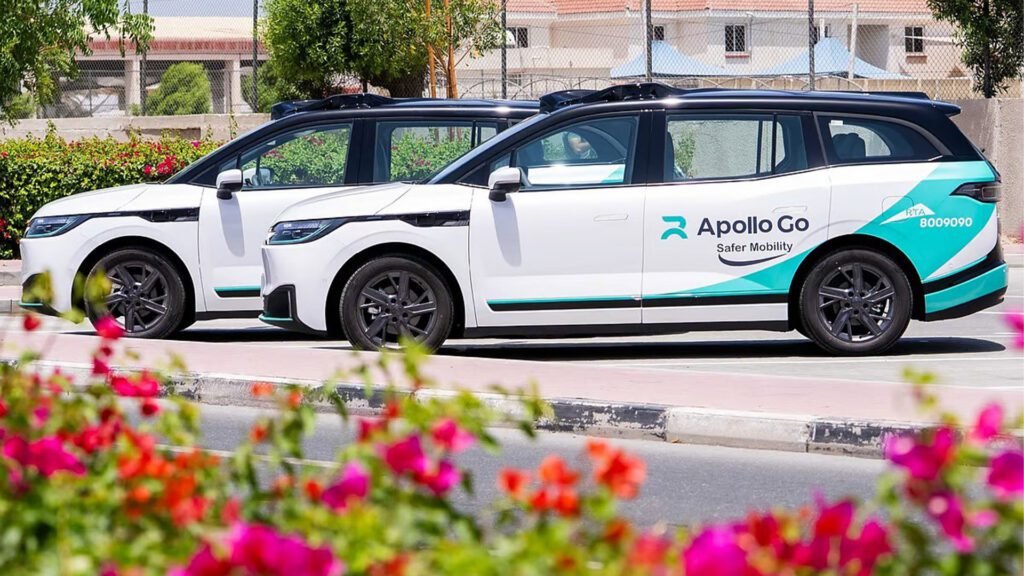
Dubai is preparing to introduce driverless taxis to its streets by the end of 2025. These self-driving cabs will offer a glimpse into the future of urban transportation, combining convenience, safety, and innovation. The move is part of Dubai’s ambitious plan to make a quarter of all public transport journeys autonomous by 2030.
The introduction of autonomous taxis marks a significant step in Dubai’s vision to become a global hub for smart mobility. Residents and visitors will soon experience travel that is seamless, efficient, and powered by cutting-edge technology.
What Are Driverless Taxis?
Driverless taxis, also known as self-driving cabs, are vehicles capable of navigating and transporting passengers without a human driver. They rely on artificial intelligence, advanced sensors, and real-time traffic data to ensure safe and efficient journeys.

In Dubai, these taxis will initially operate with a safety driver on board. This ensures that the vehicles can handle complex traffic situations while passengers gain confidence in the technology. A full-scale commercial rollout without drivers is expected in 2026.
The technology behind these vehicles allows them to detect obstacles, follow traffic rules, and adapt to different driving conditions. This makes them a reliable alternative to traditional taxis and private cars.

Collaborations Driving Autonomous Mobility
Dubai has partnered with leading global technology firms to bring self-driving taxis to the city. Uber will allow residents to book autonomous rides through its app by the end of 2025. This integration provides a familiar platform for users to experience driverless travel.
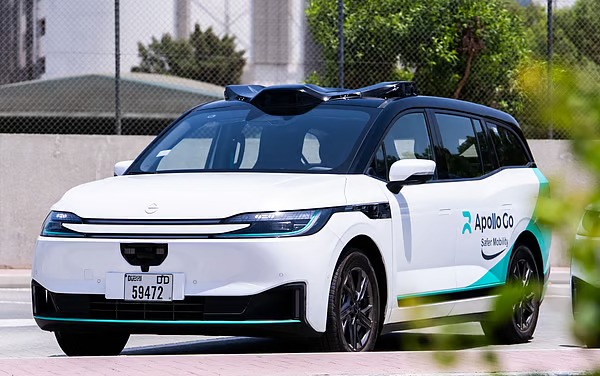
Chinese technology company Baidu will also introduce 50 autonomous taxis in Dubai by the end of 2025. The company plans to expand its fleet to 1,000 self-driving cabs within the next three years. These collaborations highlight Dubai’s commitment to leveraging global expertise and technology to enhance its transport ecosystem.
Safety and Technology
Safety is a top priority for driverless taxis. The vehicles are equipped with advanced sensors, cameras, and AI-powered navigation systems to ensure a secure and smooth ride. The presence of a trained safety driver during the initial phase adds an extra layer of security for passengers.
Artificial intelligence allows these vehicles to respond to changing traffic conditions, recognize potential hazards, and make informed driving decisions. Additionally, Dubai’s smart city infrastructure, including connected traffic systems and optimized road networks, supports the safe operation of autonomous taxis.
Benefits for Urban Mobility
Driverless taxis are expected to have a transformative effect on urban mobility in Dubai. By reducing the reliance on private cars, they can help decrease traffic congestion, shorten commute times, and lower carbon emissions.
Autonomous taxis also improve accessibility for people with mobility challenges. They offer a convenient and comfortable option for those who depend on public transport or taxi services. This development aligns with Dubai’s vision of a smart, sustainable, and inclusive city.
Economic and Environmental Impact
The introduction of driverless taxis provides both economic and environmental benefits. Autonomous vehicles can operate continuously, optimize routes, and reduce fuel consumption. This efficiency results in cost savings for operators and passengers alike.
Lower vehicle use and better traffic management can also reduce pollution levels, contributing to Dubai’s sustainability goals. By promoting environmentally friendly mobility solutions, driverless taxis support the city’s broader efforts to create a cleaner and more sustainable urban environment.
Public Reception and Adoption
The success of driverless taxis depends on public trust and acceptance. Dubai has taken proactive steps to educate residents and engage stakeholders about the benefits and safety of autonomous travel. Pilot programs and demonstrations allow people to experience the technology firsthand.
Initial experiences with autonomous taxis in other cities suggest that passengers are willing to embrace the technology, especially when safety measures are clearly in place. Dubai’s phased approach ensures a smooth transition from traditional taxis to fully driverless services.

Looking Ahead: Dubai 2030
The introduction of driverless taxis is just the first step in Dubai’s broader mobility strategy. By 2030, the emirate aims for 25% of all public transport journeys to be autonomous. This bold vision reflects Dubai’s dedication to adopting innovative technologies and building a world-class transport network.
The success of driverless taxis could lead to wider applications of autonomous vehicles, including buses, delivery vehicles, and logistics services. Dubai’s focus on innovation, safety, and sustainability positions it as a global leader in smart mobility solutions.
Challenges and Opportunities
Despite their advantages, driverless taxis face several challenges. These include navigating complex traffic environments, meeting regulatory standards, and ensuring cybersecurity. Dubai has established clear guidelines and licensing requirements to address these issues and promote safe operations.
The opportunities presented by autonomous taxis, however, are immense. They create new business opportunities, attract investment, and enhance Dubai’s reputation as a hub for innovation. The city’s commitment to advanced mobility solutions sets a benchmark for other urban centers worldwide.
Conclusion
Dubai’s driverless taxis are poised to change the way people move around the city. By offering safe, efficient, and environmentally friendly travel options, they represent a major step toward the future of urban mobility.
With international collaborations, robust safety measures, and a forward-looking vision, Dubai is not only transforming transportation but also setting an example for cities around the world. The era of autonomous travel has arrived, and Dubai is leading the way.
Do follow UAE Stories on Instagram
Read Next – Crown Palace by Amirah Developments Offers Royal Living in Dubai South