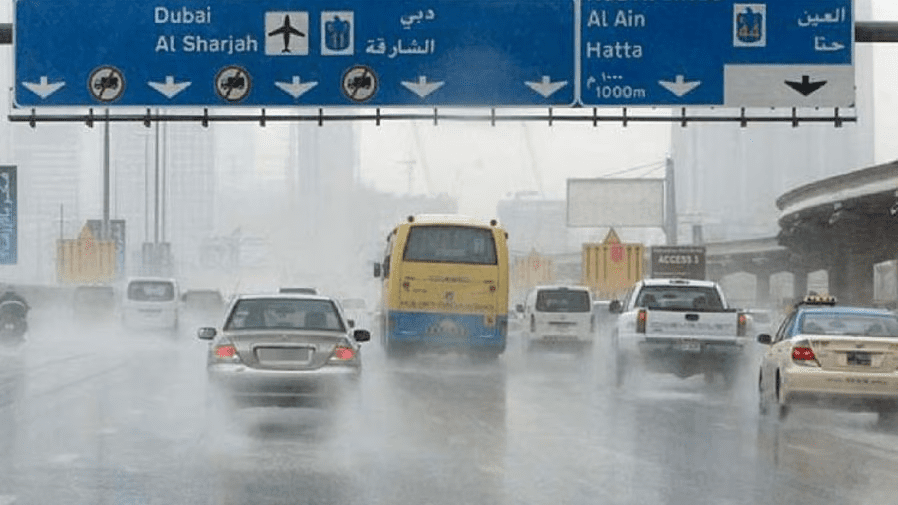
As the UAE prepares for heavy rain, thunderstorms, lightning, and strong winds, drivers across the country are being advised to take extra precautions on the roads. Unstable weather conditions can quickly turn everyday journeys into risky situations, especially when visibility drops and roads become slippery.
Weather forecasts indicate that heavy rainfall, gusty winds, and dust may affect large parts of the country over the next two days. Wind speeds may increase significantly, lifting dust and reducing visibility even further. These combined conditions create a challenging environment for motorists, particularly during peak travel hours.
Drive safely in such weather is not about rushing or pushing through difficult conditions. It is about slowing down, staying alert, and adapting your driving style to match the road conditions.

Why Rainy Weather Makes Driving More Dangerous
Rain alters how tyres grip the road surface. Wet roads reduce traction, making it harder for vehicles to stop quickly or change direction safely. When rain mixes with oil and dust already present on the roads, surfaces become even more slippery, especially at junctions and roundabouts.
Strong winds can also affect vehicle stability, particularly for SUVs, vans, and trucks. Sudden gusts may push vehicles sideways, increasing the risk of lane departure or collisions. Reduced visibility due to rain, mist, or dust makes it harder to spot hazards ahead, including stalled vehicles or pedestrians.

These factors make it essential for drivers to adjust their habits and remain fully focused.
Braking Distance and Visibility Challenges
One of the leading causes of accidents during wet weather is insufficient braking distance. Many drivers continue to drive at normal speeds without accounting for the increased stopping distance required on wet roads.
In clear conditions, a three-second gap between vehicles is usually sufficient. During rain or low visibility, this gap should be extended to at least five seconds. This additional space provides more time to react if traffic slows suddenly or an obstacle appears.
Driving at reduced speeds also improves visibility. Slowing down allows drivers to better assess road conditions, read traffic signs, and respond safely to unexpected situations.
Avoid Cruise Control on Wet Roads
Using cruise control during rainy conditions can be risky. When a vehicle passes over standing water, tyres may temporarily lose contact with the road. If cruise control is active, the vehicle may accelerate unexpectedly once traction is restored, increasing the chance of losing control.
For this reason, drivers should always maintain manual control of speed and acceleration during wet weather.
Prepare Your Vehicle Before Driving
Safe driving starts with a well-maintained vehicle. Before setting off, drivers should ensure that essential systems are functioning properly.
Brakes should be responsive, tyres should have adequate tread depth, and headlights should be working correctly. Worn tyres significantly increase the risk of skidding, while faulty lights reduce visibility for other road users.
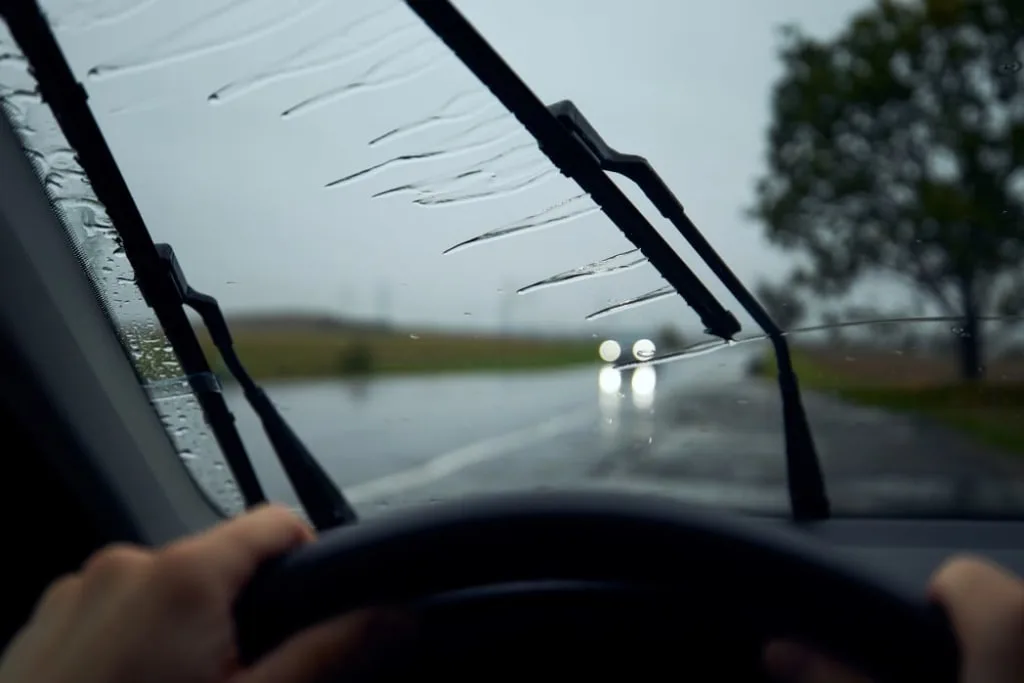
Windscreen wipers should clear rain efficiently, and washer fluid levels should be sufficient. Clean windows and mirrors also play a key role in maintaining clear visibility during heavy rain.
Use Vehicle Lights Correctly
Using lights properly during rain helps improve visibility for everyone on the road. Headlights should be switched on when rain reduces visibility. Fog lights may be used when conditions are particularly poor, but high-beam headlights should be avoided as they can reflect off rain and impair visibility for other drivers.
Hazard lights should only be activated in emergencies or when a vehicle is stationary due to a breakdown. Using hazard lights while driving can confuse other motorists.
Drive Smoothly and Avoid Sudden Movements
Sudden braking, sharp turns, and rapid acceleration increase the likelihood of skidding on wet roads. Drivers should accelerate gradually, especially when traffic lights turn green, and brake early rather than abruptly.
Lane changes should be smooth and well-signalled. Overtaking should be avoided unless absolutely necessary, as wet surfaces reduce tyre grip and increase stopping distances.
Extra Caution at Junctions and Tunnels
Intersections are particularly hazardous during rain. Oil residue on the road becomes slippery when wet, increasing the risk of skids. Drivers should slow down when approaching junctions and be prepared for sudden stops by other vehicles.
When driving through tunnels, it is safer to stay in one lane and maintain a steady speed. Abrupt lane changes in confined spaces can lead to accidents, especially during heavy rain.
Avoid Flooded Roads and Standing Water
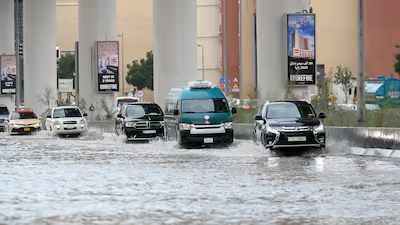
Driving through flooded areas is extremely dangerous. Water depth is often difficult to judge, and even shallow moving water can destabilise a vehicle.
If water appears deep or is flowing rapidly, drivers should turn back and find an alternative route. Vehicles can be swept away in surprisingly shallow water, putting occupants at serious risk.
After passing through shallow water, brakes should be tested gently at low speed once it is safe to do so, as water can temporarily reduce braking efficiency.
Do Not Stop on Active Roads
Stopping on the road or near lane markings during poor visibility increases the risk of being struck from behind. If an emergency stop is required, drivers should move their vehicle to a safe area away from traffic lanes.
Remaining alert for stalled vehicles, fallen debris, or emergency responders is also crucial during stormy conditions.
Plan Ahead and Travel Only If Necessary
The safest option during heavy rain is to avoid non-essential travel. If driving is unavoidable, drivers should allow extra time and expect delays.
Checking weather updates and official announcements before departure can help drivers plan safer routes. Listening to traffic updates during the journey may also help avoid flooded or congested areas.
A Calm and Patient Approach Saves Lives
Driving during heavy rain requires patience, concentration, and respect for road conditions. Aggressive driving and rushing increase the risk of accidents for everyone.
By staying calm, slowing down, and following safe driving practices, motorists can significantly reduce risks and ensure they reach their destination safely, even in challenging weather conditions.
Do follow UAE Stories on Instagram
Read Next –Emirates’ New In-Flight Freebies Are Stylish, Sustainable and Surprising