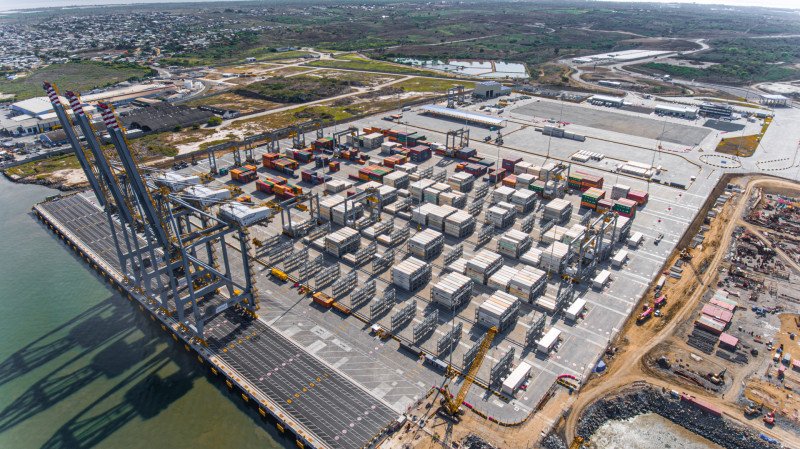
In 2025, logistics infrastructure investment is set to take a giant leap forward as DP World, a global leader in supply chain solutions, announces a massive $2.5 billion commitment to transform ports, terminals, and logistics networks worldwide. This bold move aims to strengthen global trade, enhance supply chain efficiency, and support sustainable growth in an increasingly connected world. With businesses and consumers relying on seamless logistics, DP World’s plan could redefine how goods move across continents.
This article dives into the details of DP World’s ambitious investment, its goals, and what it means for businesses, economies, and the future of global trade. Let’s explore how this initiative could shape the logistics landscape.
Why Logistics Infrastructure Investment Matters
The backbone of global trade is logistics infrastructure—ports, warehouses, transport networks, and technology systems that keep goods moving. Efficient logistics reduce costs, speed up delivery, and ensure products reach markets on time. However, aging infrastructure, congested ports, and outdated systems have created bottlenecks in many regions, disrupting supply chains and inflating costs.

DP World’s $2.5 billion investment addresses these challenges head-on. By modernizing key facilities and integrating cutting-edge technology, the company aims to create a more resilient and efficient global trade network. This is especially critical as e-commerce continues to grow, and businesses demand faster, more reliable supply chains.
Key Challenges in Current Logistics Systems
- Congestion at Ports: Many global ports struggle with overcrowding, delaying shipments.
- Outdated Technology: Manual processes slow down operations and increase errors.
- Sustainability Concerns: High carbon emissions from transport and logistics operations.
- Supply Chain Disruptions: Geopolitical issues and natural disasters expose vulnerabilities.
DP World’s investment will tackle these issues, focusing on smart solutions and sustainable practices to build a future-ready logistics ecosystem.

DP World’s $2.5 Billion Investment Plan
DP World’s logistics infrastructure investment is a multi-year strategy to upgrade and expand its global network of ports, terminals, and logistics hubs. The $2.5 billion will be allocated across several key areas, each designed to address specific needs in the supply chain. Here’s a breakdown of the plan:
1. Modernizing Ports and Terminals
A significant portion of the investment will go toward upgrading existing ports and building new ones. This includes:
- Automation: Implementing automated cranes, vehicles, and sorting systems to speed up cargo handling.
- Capacity Expansion: Increasing the capacity of major ports to handle larger ships and higher cargo volumes.
- Smart Ports: Using IoT (Internet of Things) and AI to monitor and optimize port operations in real-time.
For example, DP World plans to enhance its flagship Jebel Ali Port in Dubai, one of the busiest in the world, to handle 25% more cargo by 2030.
2. Strengthening Inland Logistics
Beyond ports, DP World is investing in inland logistics networks, including warehouses, rail connections, and trucking fleets. This ensures goods move seamlessly from ports to final destinations. Key initiatives include:
- New Warehousing Facilities: Building state-of-the-art warehouses with automated inventory systems.
- Intermodal Connectivity: Improving rail and road links to reduce transit times and costs.
- Cold Chain Solutions: Expanding refrigerated storage for perishable goods like food and pharmaceuticals.
These upgrades will help businesses deliver products faster, especially in emerging markets where logistics infrastructure is underdeveloped.
3. Embracing Sustainable Practices
Sustainability is a core pillar of DP World’s investment. The company is committing to:
- Green Energy: Powering ports and warehouses with renewable energy sources like solar and wind.
- Electric Vehicles: Replacing diesel-powered trucks and equipment with electric alternatives.
- Carbon Reduction: Aiming to cut carbon emissions by 30% across its operations by 2030.
These efforts align with global demands for eco-friendly supply chains and could set a new standard for the industry.
4. Leveraging Technology for Efficiency
Technology is at the heart of DP World’s vision. The company plans to invest heavily in:
- Blockchain: For secure, transparent tracking of shipments.
- AI and Machine Learning: To predict demand, optimize routes, and reduce delays.
- Digital Platforms: Creating user-friendly systems for businesses to manage their supply chains.
These innovations will make logistics faster, more reliable, and cost-effective, benefiting both DP World’s clients and end consumers.
Impact on Global Trade and Economies
The ripple effects of DP World’s logistics infrastructure investment will be felt worldwide. Here’s how different stakeholders stand to benefit:
For Businesses
- Lower Costs: Modernized ports and efficient logistics will reduce shipping and storage expenses.
- Faster Deliveries: Improved infrastructure means quicker turnaround times for goods.
- Reliability: Fewer disruptions will help businesses meet customer expectations consistently.
For Economies
- Job Creation: New facilities and upgrades will create thousands of jobs in construction, technology, and logistics.
- Trade Growth: Enhanced infrastructure will boost trade volumes, especially in developing regions.
- Economic Stability: Resilient supply chains reduce the impact of global disruptions, supporting economic growth.
For Consumers
- Affordable Products: Lower logistics costs could lead to cheaper goods.
- Faster Shipping: E-commerce customers will enjoy quicker deliveries.
- Sustainable Choices: Eco-friendly practices support a greener planet.
Regions like Africa, Asia, and the Middle East, where DP World has a strong presence, are expected to see the most significant benefits. For instance, investments in African ports could unlock the continent’s trade potential, fostering economic development.
Challenges and Risks to Consider
While DP World’s plan is ambitious, it’s not without challenges. Large-scale infrastructure projects often face hurdles such as:
- Regulatory Approvals: Navigating complex regulations in different countries can delay projects.
- Geopolitical Tensions: Trade disputes or political instability could disrupt operations.
- High Costs: The $2.5 billion investment requires careful financial management to ensure returns.
Additionally, the shift to automation may raise concerns about job losses in some regions, though DP World has pledged to create new opportunities in technology and green energy sectors.
How DP World Stands Out
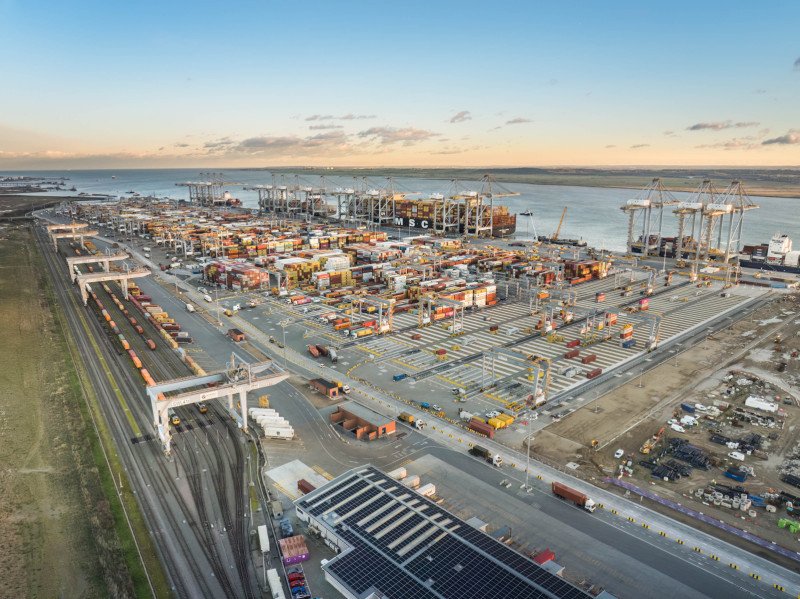
DP World is no stranger to bold moves. Operating in over 70 countries, the company handles 10% of global container traffic and has a reputation for innovation. Its logistics infrastructure investment builds on past successes, like the development of London Gateway, a fully automated port in the UK, and the expansion of its logistics parks in India.
What sets DP World apart is its focus on end-to-end solutions. Unlike competitors who focus solely on ports or shipping, DP World integrates ports, inland logistics, and digital tools to create a seamless supply chain. This holistic approach positions the company to lead the industry in 2025 and beyond.
What’s Next for DP World and Global Logistics?
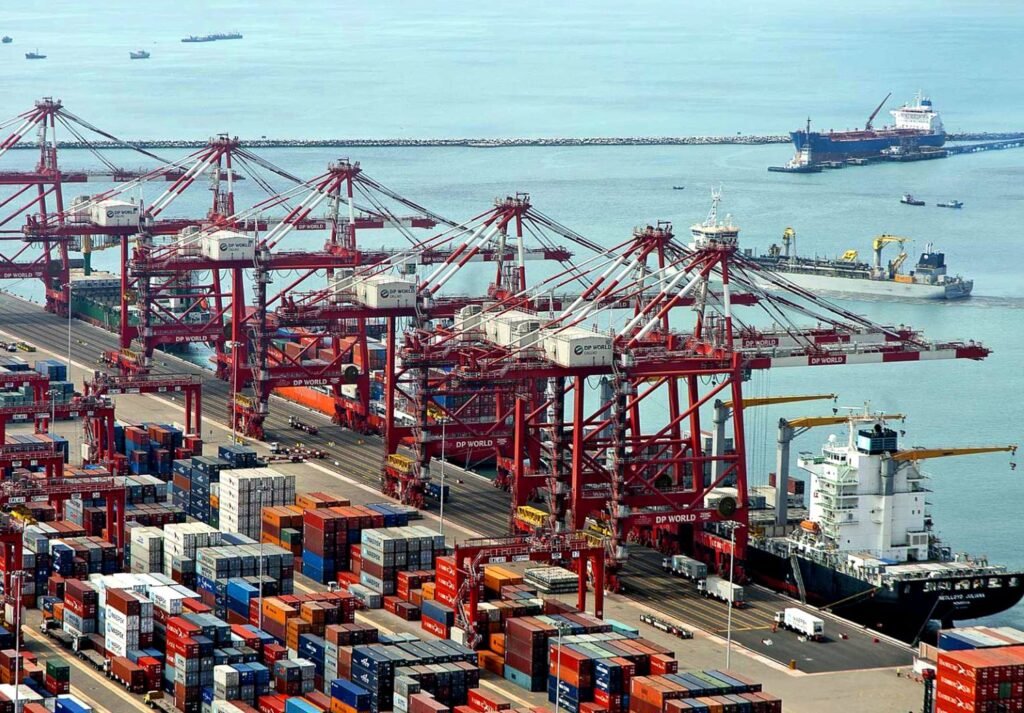
As DP World rolls out its $2.5 billion investment, the logistics industry is watching closely. The success of this initiative could inspire other companies to invest in infrastructure, sparking a wave of innovation across the sector. For now, DP World is laying the groundwork for a more connected, efficient, and sustainable future.
Timeline and Expectations
- 2025: Initial projects, including port upgrades and technology rollouts, begin.
- 2027: Major ports like Jebel Ali see significant capacity increases.
- 2030: Full impact of the investment realized, with reduced emissions and faster global trade.
Businesses, governments, and consumers can expect a transformed logistics landscape, with DP World leading the charge.
Conclusion
DP World’s $2.5 billion logistics infrastructure investment is a game-changer for global trade. By modernizing ports, strengthening inland networks, embracing sustainability, and leveraging technology, the company is addressing the biggest challenges in logistics today. This initiative promises lower costs, faster deliveries, and a greener supply chain, benefiting businesses, economies, and consumers alike.
As the world becomes more interconnected, investments like these are crucial for keeping goods moving efficiently. DP World’s bold vision could set a new standard for the industry, proving that smart infrastructure is the key to a thriving global economy. Keep an eye on 2025—this is just the beginning.
Read More: Emirates A350 Amman: A New Chapter in Luxury Air Travel