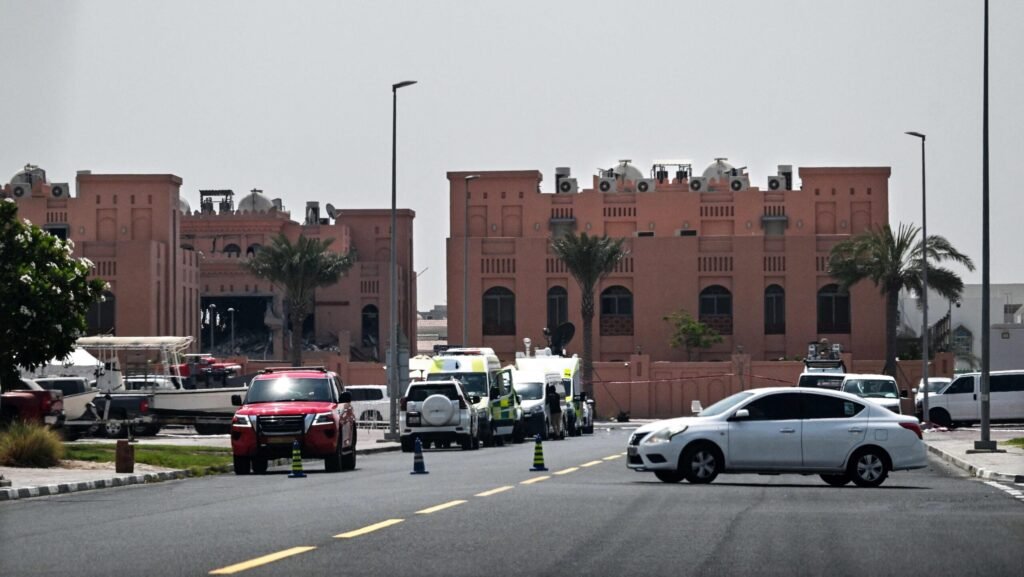
The Israeli attack on Doha came as a sudden blow that left many residents stunned, confused, and fearful. For a city known for its peace, progress, and international diplomacy, the incident felt completely out of place. People described it as “out of nowhere,” a moment that disrupted daily life and challenged the city’s sense of safety.
This article takes a closer look at how residents reacted, what unfolded in the aftermath, and how the incident is shaping conversations about security, politics, and humanity in the region.
The shock of the unexpected
When the news of the Israeli strike broke, many Doha residents initially refused to believe it. The city, often celebrated as a global hub for dialogue, had never imagined being directly caught in such conflict.

Shops closed suddenly. Cafes that are usually filled with laughter fell silent. Families rushed to contact loved ones. Social media feeds were flooded with videos, questions, and expressions of disbelief.
One resident put it simply: “We never thought this would happen here. Doha is a city of peace talks, not war headlines.”

Voices from the streets
Ordinary people in Doha shared their stories and emotions in the hours following the attack.
Fatima, a university student, said she was in class when messages started pouring in. “At first, I thought it was fake news. But when I saw the smoke from my window, I realized this was real. I was terrified.”
Omar, a shop owner in Souq Waqif, described confusion among tourists and locals alike. “People didn’t know where to go. Some ran. Some just froze. We are used to being safe here. This was shocking.”
Laila, a mother of two, said her children could not stop crying. “I had no words to comfort them. They kept asking, ‘Why us?’ I could only hold them tight.”
These testimonies reflect the deep emotional scar left on the city. For many, it wasn’t just about the physical strike, but about the sudden collapse of their sense of security.
Social media erupts
Within minutes of the attack, hashtags such as #DohaUnderAttack and #PrayForDoha began trending across platforms.
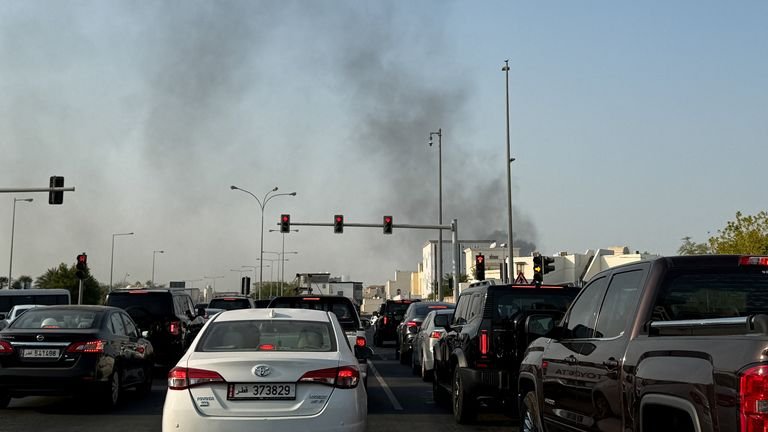
Videos of smoke rising over parts of the city circulated widely, along with angry messages directed at the Israeli government. Many users expressed solidarity, while others demanded stronger international intervention.
The digital conversation highlighted both fear and defiance. While some shared images of panic, others posted calls for resilience, unity, and peace.

Anger at the violation
Alongside shock, anger grew quickly among residents. Doha has always been viewed as a neutral space, often hosting peace talks and mediating in regional conflicts.
Many citizens and expatriates questioned why their city was targeted at all. They described it as an “attack not just on Qatar, but on peace itself.”
A teacher commented: “We have opened our doors to dialogue and negotiation. To be attacked despite this is a betrayal of every effort for peace.”
For others, the anger was personal. People felt their families, children, and daily lives had been violated by an act they had no part in creating.
Government response
The Qatari government condemned the attack immediately, calling it an unjustified act of aggression. Security forces were deployed across the city to ensure safety and prevent further chaos.
Authorities urged calm and stressed that emergency services were working tirelessly. Hospitals were placed on high alert, and support hotlines were made available for citizens and residents affected by the trauma.
Doha officials also called on the international community to recognize the gravity of the situation and to take urgent steps toward preventing further escalations.
Global reactions
The attack on Doha drew swift responses from world leaders, many of whom expressed solidarity with Qatar. International organizations condemned the strike, describing it as a dangerous escalation that threatened regional peace.
Protests were reported in several cities around the world, where people voiced support for Doha and called for accountability.
This global wave of attention underscored how deeply connected the Gulf region is to broader international politics and security concerns.
Life disrupted
Beyond the immediate shock, the attack disrupted the normal rhythm of life in Doha. Schools and businesses were closed in certain areas. Major events were postponed or canceled.
For a city that thrives on international conferences, sports events, and cultural festivals, the sudden pause felt heavy. Residents described walking through unusually quiet streets, filled with both fear and sadness.
The hospitality industry, which relies heavily on Qatar’s role as a global hub, was particularly hit. Tourists cut trips short, and hotels reported mass cancellations.
Calls for peace
Despite the anger and fear, many residents and leaders emphasized the need for peace. Doha has long positioned itself as a mediator, and many hope this role can continue even after such a direct attack.
Clerics, community leaders, and activists urged people not to let hatred take root. Instead, they called for unity and resilience in the face of violence.
One statement widely shared on social media read: “We will not let this attack define us. Doha stands for dialogue, peace, and humanity — and that will not change.”
The psychological impact
Experts have warned that the psychological toll of the attack could be long-lasting. Children, especially, may struggle with trauma after witnessing the violence and disruption.
Counseling services have been mobilized, and schools are planning programs to help students process their fear and confusion.
Dr. Mariam Al Thani, a psychologist in Doha, explained: “The sense of safety is the foundation of mental health. When that is shaken, it affects every aspect of life. Healing will take time.”
Questions without answers
As residents try to move forward, many questions remain.
Why was Doha targeted?
What message was Israel trying to send?
How will Qatar and its allies respond?
What does this mean for the stability of the Gulf region?
These unanswered questions continue to fuel discussions in cafes, offices, and homes across the city.
Looking ahead
Doha has faced challenges before, but this moment feels different. It is not just about politics or geopolitics. It is about ordinary people whose lives were suddenly shaken.
Residents hope the international community will not only condemn the attack but also work toward preventing further violence. Many believe this moment could either escalate into greater conflict or serve as a turning point toward serious peace efforts.
Conclusion: A city shaken, but not broken
The Israeli attack on Doha has left scars that will not heal overnight. People are still processing the fear, the anger, and the uncertainty.
But amid the pain, there is also resilience. The spirit of Doha, a city built on progress, culture, and dialogue, remains strong.
As one resident summed it up: “They may have attacked us, but they will not silence us. Doha will continue to stand for peace.”
Do follow UAE Stories on Instagram
Read Next – UAE Bars Israeli Defense Firms from Dubai Expo Following Strike in Qatar