
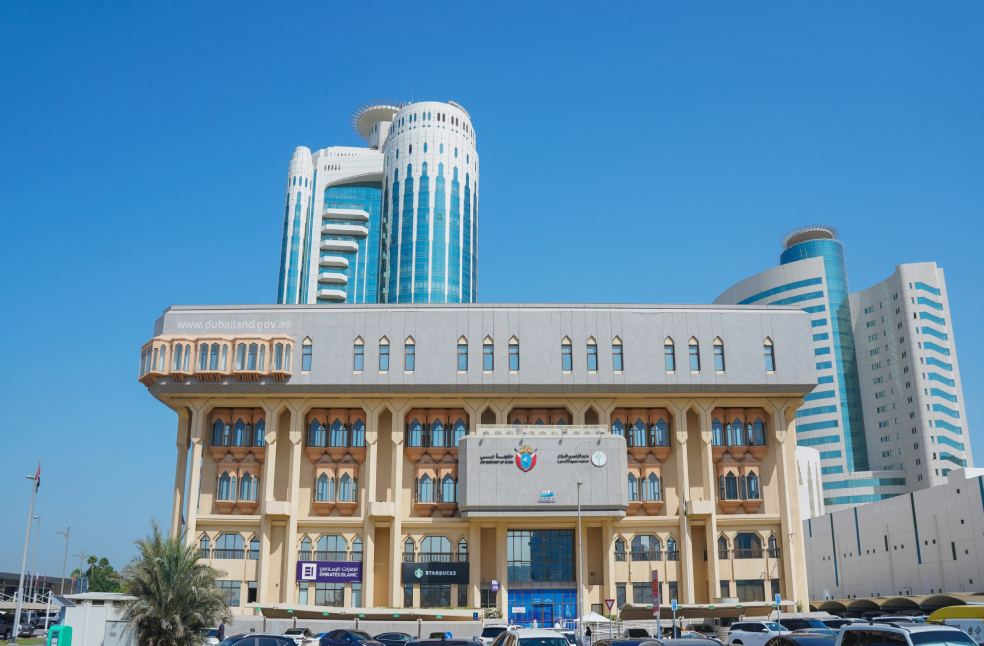
A New Chapter for Dubai’s Digital Property Market
Dubai has taken another decisive step toward reshaping the future of real estate investment with the rollout of Phase II of its real estate tokenization initiative. Led by the Dubai Land Department, the new phase introduces regulated secondary market trading for tokenized property assets, marking a significant milestone in the emirate’s transition toward a fully digital, transparent, and investor-friendly real estate ecosystem.
The latest phase officially enables the resale of property-backed digital tokens within a structured and compliant framework. By opening the door to secondary transactions, Dubai is moving beyond experimentation and into practical implementation, reinforcing its position as a global leader in the adoption of advanced real estate technologies.
From Pilot to Market Activation
The tokenization project was first introduced during a pilot phase launched in March under the Real Estate Evolution Space initiative. This initial stage focused on testing the regulatory, legislative, and technical foundations required to tokenize property title deeds while ensuring alignment with existing land registration and ownership laws.

During the pilot, authorities evaluated how blockchain-based tokenization could integrate with Dubai’s real estate registry, ensuring that each digital token accurately represented legal ownership rights. The outcomes provided confidence that tokenized assets could function within a government-backed, regulated environment rather than as speculative instruments.
Phase II builds directly on these results, shifting the project from controlled testing to active market participation. The emphasis now lies on liquidity, operational readiness, and real-world usability for investors.

Enabling Secondary Market Resale
A defining feature of Phase II is the activation of secondary resale for tokenized real estate assets. Approximately 7.8 million real estate tokens have been made eligible for trading within the approved framework, allowing investors to buy and sell fractional property ownership more efficiently.
This controlled resale environment serves several strategic purposes. It allows regulators to observe market behavior, assess liquidity dynamics, and monitor investor protection mechanisms in real time. At the same time, it introduces flexibility for investors who can now exit or rebalance their holdings without relying solely on long-term ownership.
By enabling secondary trading, the initiative addresses one of the biggest traditional challenges in real estate investment: illiquidity. Tokenization transforms property assets into tradable digital units while preserving their connection to tangible, registered real estate.
Strengthening Transparency and Investor Protection
Transparency and governance remain central to the Phase II framework. Every transaction involving tokenized assets is designed to follow strict compliance standards, ensuring full traceability, accurate valuation, and legal clarity.
Investor rights are safeguarded through a regulated model that prevents unauthorized trading and enforces clear ownership records. This approach reduces risks associated with fraud, misinformation, and speculative volatility that have historically affected unregulated digital asset markets.
The structured rollout also enables authorities to test transaction integrity, settlement processes, and platform reliability before allowing broader market participation. By prioritizing protection over speed, Dubai is reinforcing trust among both local and international investors.
A Gradual and Regulated Implementation Model
Rather than adopting a rapid expansion approach, Phase II has been implemented gradually based on continuous evaluation of operational outcomes. The Dubai Land Department has coordinated closely with relevant regulatory bodies to ensure compliance with legal frameworks governing real estate, digital assets, and financial transactions.
This measured strategy allows regulators to fine-tune policies, address emerging challenges, and enhance system resilience. It also ensures that future phases are informed by real market data rather than theoretical assumptions.
Such a methodical approach reflects Dubai’s broader regulatory philosophy, which emphasizes innovation supported by strong governance rather than unchecked experimentation.
Supporting Dubai’s Long-Term Real Estate Strategy
The tokenization initiative aligns directly with the Dubai Real Estate Sector Strategy 2033, which aims to enhance market transparency, attract global capital, and increase the sector’s contribution to gross domestic product. By integrating advanced technologies into property transactions, Dubai is laying the groundwork for a more efficient and competitive real estate market.
Beyond economic impact, the project also supports the objectives of UAE Vision 2071 and the Dubai Urban Plan 2040. These national frameworks emphasize smart infrastructure, sustainable urban development, and optimized land use, all of which are reinforced through digital real estate solutions.
Tokenization enables better data-driven planning, faster transactions, and more inclusive investment opportunities, contributing to a future-ready urban economy.

Expanding Access to Global Investors
One of the most transformative aspects of tokenized real estate is its ability to lower barriers to entry. By dividing property assets into smaller digital units, the model allows a wider range of investors to participate in Dubai’s real estate market without the need for large upfront capital.
Phase II’s regulated resale environment enhances this accessibility by offering liquidity and exit options, making property investment more attractive to international participants. As confidence in the system grows, tokenized assets could become a gateway for global investors seeking exposure to Dubai’s property sector.
This increased accessibility supports Dubai’s ambition to remain a preferred destination for cross-border investment and financial innovation.
Collaboration With Regulatory and Technical Partners
The success of Phase II has been supported by ongoing collaboration with regulatory and technical partners responsible for digital infrastructure, compliance oversight, and platform development. Together, these stakeholders are working to establish standardized practices that will guide future phases of the project.
These efforts include refining operational protocols, assessing platform scalability, and exploring broader participation models. The goal is to ensure that expansion does not compromise security, transparency, or regulatory alignment.
By fostering collaboration across public and private sectors, the initiative demonstrates how government-led innovation can create sustainable market transformation.
A Foundation for Future Expansion
While Phase II represents a significant advancement, it is not the final stage of Dubai’s tokenization journey. The current phase serves as a foundation for future growth, including potential expansion of asset classes, increased trading volumes, and integration with other digital financial services.
As operational insights continue to emerge, authorities will assess how best to scale the initiative while maintaining investor confidence and market stability. The long-term vision is to build a smart, sustainable real estate economy that leverages technology to enhance efficiency, inclusivity, and global competitiveness.
Dubai’s approach positions tokenized real estate not as a short-term trend, but as a core component of its digital economic strategy.
Do follow UAE Stories on Instagram
Read Next – ADJD Disburses Over AED 57 Million in Humanitarian Assistance