If there’s one creature that encapsulates the spirit of the United Arab Emirates, it’s the camel. Revered for its resilience, adored for its character, and celebrated in both tradition and sport, they locally known as Al Jamal or Al Heen—is far more than just a desert animal. It’s a symbol of survival, wealth, and heritage.
From ancient trade caravans and Bedouin camps to high-tech racing tracks and cultural festivals, they have walked with the UAE through every chapter of its evolution. In this piece, we dive deep into the multi-faceted role of them in the UAE—past, present, and galloping into the future.
Lifelines of the Desert
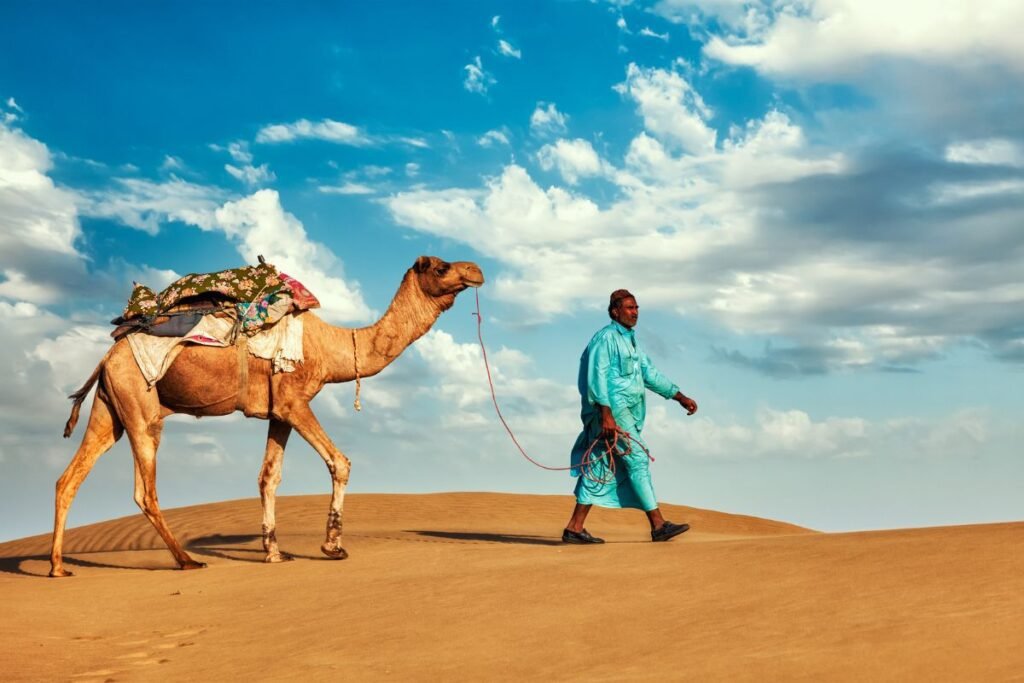
Before oil transformed the landscape, they were the original lifelines of the Arabian Peninsula. For nomadic Bedouin tribes, they wasn’t just transportation—it was a *source of milk, meat, wool, and mobility.

These “ships of the desert” could travel long distances under brutal sun with little water, carrying families and goods across the vast sandscapes. they played a vital role in *pearl diving expeditions, date farming logistics, and *caravan trade routes that connected the Gulf with the rest of the Middle East.
Camels also had economic significance. The number and quality of camels one owned was once seen as a mark of wealth and social standing. For Bedouins, a well-bred camel was a prized asset—loved, named, and passed down through generations.

Cultural Symbolism and Poetic Presence
They are more than functional—it is deeply woven into the cultural and emotional identity of Emiratis. In folklore, proverbs, and poetry, the camel is portrayed as a noble creature: patient, loyal, and majestic.
Poets across the Arabian Peninsula have long used camels to symbolize everything from endurance in love to longing in travel. Even today, classical Nabati poetry often evokes images of crossing the dunes to express emotion, beauty, and strength.
In Emirati households, camel figurines, paintings, and even embroidered designs reflect this deep admiration. They are found in souvenirs, perfumes named after breeds, and decorations during National Day celebrations, standing as cultural emblems of pride and continuity.
The Original Superfood
Long before almond or oat milk became trendy, Bedouins knew the nutritional value of milk. Rich in iron, vitamin C, and lower in fat than cow’s milk, camel milk was a crucial part of the desert diet.
Today, the UAE has modernized this ancient food into a multi-million-dirham industry. Their milk is now sold in supermarkets in the form of:
- Flavored milk drinks (like saffron or chocolate)
- milk ice cream and cheese
- Luxury skincare products infused with camel milk
The renowned Camelicious brand and Dubai’s Dairy Farm have made it possible to share this heritage with the world, while keeping the cultural value of alive through modern innovation.
The Ultimate Desert Sport
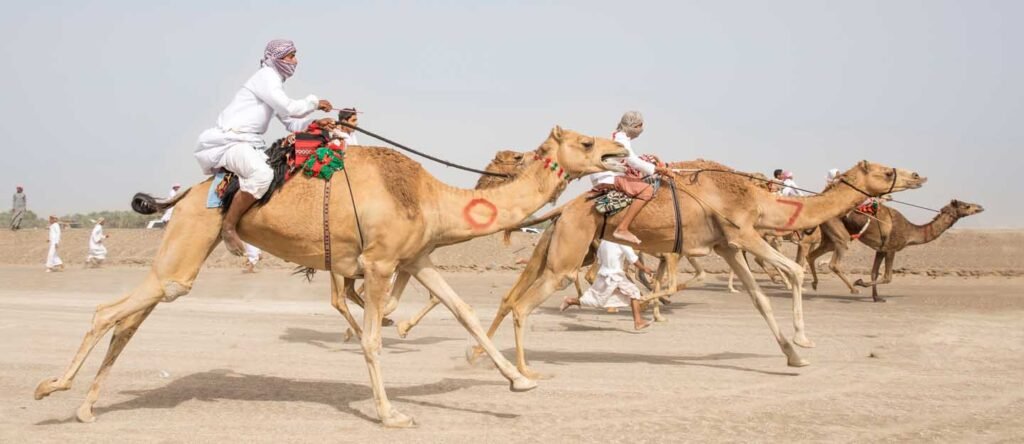
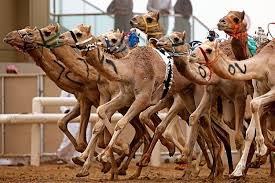
If falconry is the UAE’s sky sport, camel racing is its *cultural heartbeat on the sand. It’s not just a race—it’s a centuries-old tradition that has evolved into a *high-tech, multimillion-dirham spectacle.
Traditionally held during winter in the early morning, races now take place in state-of-the-art arenas such as:
- Al Marmoom Race Track (Dubai)
- Al Wathba Race Track (Abu Dhabi)
- Al Dhaid Racetrack (Sharjah)
Here’s what makes it truly special:
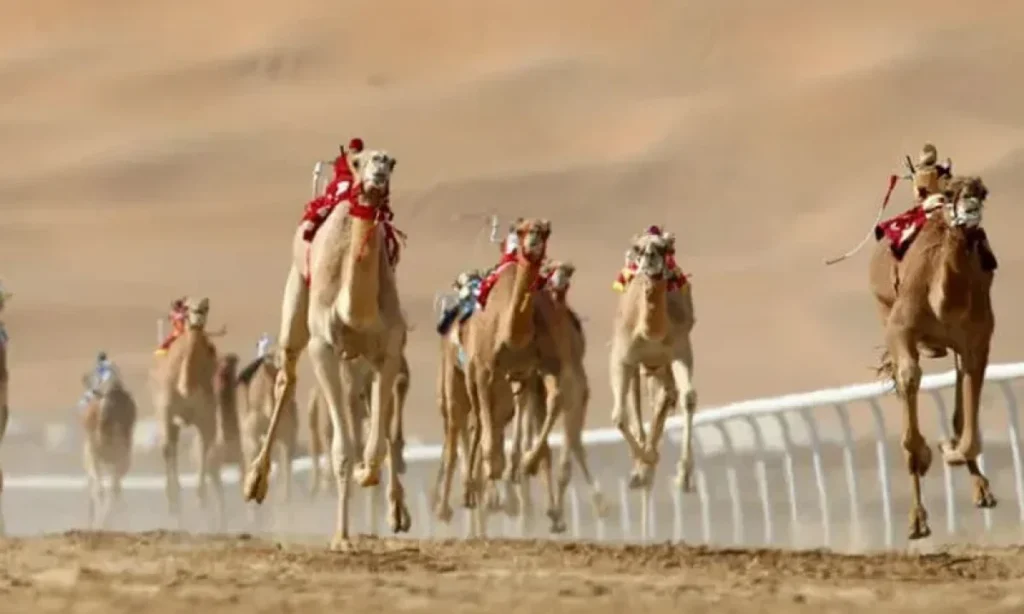
- Robot jockeys: A modern replacement for young human riders, these remote-controlled jockeys sit atop the camels and are guided by trainers in SUVs driving alongside the track.
- Speed camels: Specially bred known as “Thalib” are trained for speed and stamina, and can fetch prices reaching millions of dirhams.
- *Festivals & prizes: Events like the *Al Marmoom Heritage Festival or the Sheikh Zayed Camel Festival offer significant cash rewards, luxury vehicles, and gold trophies.
their racing has not only retained traditional charm but is also drawing younger Emiratis and tourists, blending the thrill of competition with a celebration of heritage.
Camels in Festivals, Fashion, and Art
In today’s UAE, continue to be celebrated beyond the tracks. Every winter, events like the Al Dhafra Festival in Abu Dhabi and Liwa Date Festival bring together the owners, breeders, and tourists for a cultural experience like no other.
Highlights include:
- Camel beauty contests, judged on size, neck length, posture, and coat color
- Traditional camel auctions, where elite breeds are sold for jaw-dropping sums
- Cultural exhibitions, food stalls, and storytelling sessions that keep oral history alive
You’ll also find them appearing in contemporary Emirati fashion, photography, and sculpture. For many artists, this is a symbol of resilience—a timeless muse in a fast-changing world.
Tourism and Experiences
For first-time visitors to the UAE, riding a camel through the dunes is often a bucket-list experience. But there’s more than just the classic desert safari:
- farms and petting zoos let families and children interact with camels up close.
- treks and heritage tours in areas like Al Ain or Liwa Oasis offer insight into nomadic life.
- polo events, though niche, are gaining attention as a quirky mix of East and West.
These experiences allow visitors to connect with the soul of the desert—not through luxury, but through simplicity and tradition.
Their Future: Preserved, Prized, and Prominent
Despite the rapid modernization of the UAE, their role is far from fading. In fact, *efforts to preserve their heritage are stronger than ever. Organizations like the *Emirates Camel Racing Federation and the Camel Research Centre work actively to ensure that breeds are maintained, cared for, and celebrated.
With new generations being taught the value of their heritage, and international visitors increasingly fascinated by authentic Emirati culture, camels remain timeless ambassadors of the UAE’s soul.
Final Words: Legacy on Four Legs
In a country known for its skyscrapers and space missions, the camel still walks tall—calm, proud, and full of stories. It is both memory and motion; a creature that carried dreams across deserts and now carries tradition into the future.
Whether it’s the quiet dignity of a camel resting in the sand or the thunder of hooves on a racetrack at sunrise, one thing is clear: the spirit of the UAE wouldn’t be complete without the camel’s enduring footsteps.
Follow us on Instagram: UAE STORIES
Uncover the Ritual, Warmth, and Deep Heritage Behind Emirati Coffee Traditions