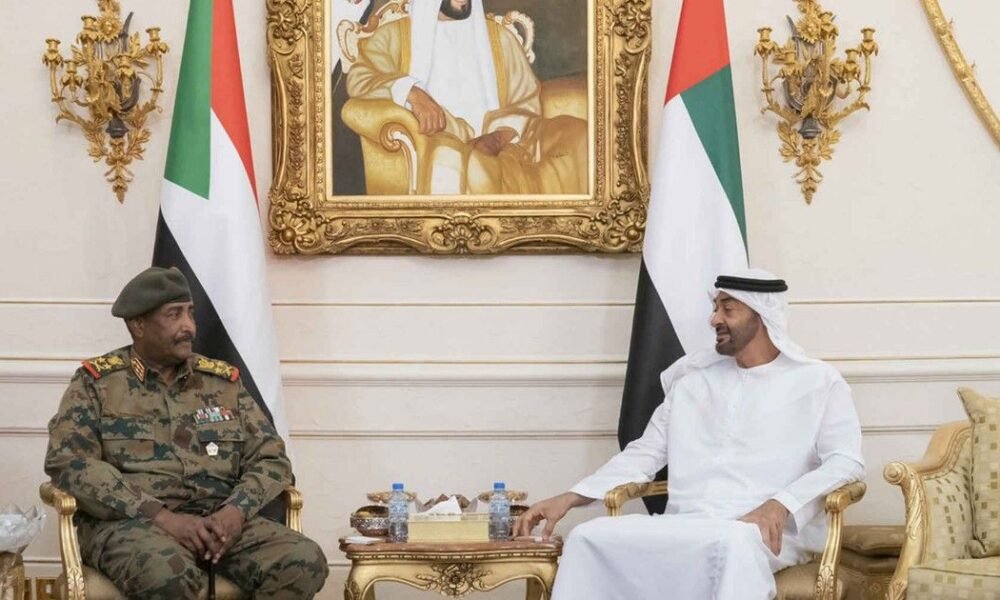
Sudan’s civil conflict, already marked by severe violence and humanitarian collapse, has taken a new geopolitical turn with Sudan announcing its intention to sever diplomatic relations with the United Arab Emirates. The move comes amid escalating accusations that the UAE has been backing the Rapid Support Forces (RSF), the powerful paramilitary group currently locked in a bloody civil war with Sudan’s national army. This decision, if fully implemented, would mark a serious fracture in Arab world diplomacy and could have lasting implications for regional stability, trade, and conflict resolution efforts.
The Breaking Point: Accusations of Military Support
In recent months, Sudanese military officials have repeatedly accused the UAE of supplying arms, funding, and logistical support to the RSF, led by General Mohamed Hamdan Dagalo, better known as Hemedti. These allegations, though denied by Emirati officials, reached a tipping point after intercepted drone parts and foreign weaponry were allegedly traced back to supply chains originating in the Gulf region.
Sudanese government spokespersons claim that captured RSF fighters admitted to receiving training and supplies routed through Libya and Chad—two nations with porous borders and strong economic ties to Abu Dhabi. The Sudanese Armed Forces (SAF) assert that these routes were facilitated with the knowledge, if not the direct involvement, of the UAE.

While independent verification remains difficult due to restricted access and ongoing conflict, the Sudanese leadership is moving forward with diplomatic disengagement, demanding immediate closure of Emirati missions in Khartoum-controlled territories and ordering Sudanese envoys home from Abu Dhabi.
UAE’s Response: Denial and Caution
The UAE has responded with carefully worded statements, rejecting the claims as “baseless” and “counterproductive to regional peace.” Officials in Abu Dhabi have emphasized the country’s neutral position in Sudan’s internal affairs and reaffirmed their commitment to humanitarian efforts and mediation through international forums.

A statement from the UAE’s Ministry of Foreign Affairs read: “The United Arab Emirates rejects any allegations of interference in Sudanese affairs. Our focus remains on achieving peace, supporting dialogue, and alleviating the suffering of the Sudanese people.”
However, diplomatic sources suggest the UAE is “deeply concerned” by the potential fallout of this rift, especially as it seeks to expand its regional influence through economic investments and soft power diplomacy. Sudan, while wracked by conflict, occupies a critical geostrategic position along the Red Sea, and its isolation from Gulf powers may push it toward deeper alignment with other international players, such as Turkey, Russia, or Iran.
The Broader Context: Regional Proxy War?
Observers have long warned that the Sudanese conflict risks becoming a proxy war for competing Middle Eastern powers. The SAF, led by General Abdel Fattah al-Burhan, has sought support from Egypt and other Arab League nations. The RSF, on the other hand, has been rumored to enjoy indirect support from actors interested in Sudan’s gold trade and Red Sea access.
The presence of mercenaries from as far afield as Chad, Niger, and Mali suggests a broader regional entanglement. The addition of drone warfare—often requiring sophisticated infrastructure and foreign training—has only intensified suspicions about external involvement.
If Sudan’s accusations against the UAE prove true, it would place Abu Dhabi in direct contradiction of its stated policy of promoting de-escalation and diplomacy across conflict zones, from Yemen to Libya.
Economic and Strategic Fallout
Cutting ties with the UAE could come at a high economic cost for Sudan. Over the past decade, the UAE has been one of Sudan’s largest investors, particularly in the agricultural, mining, and port sectors. Emirati conglomerates have acquired land for farming projects, invested in Port Sudan operations, and played a role in gold mining logistics.
Sudan’s fragile economy, already weakened by years of sanctions, corruption, and war, stands to lose crucial foreign direct investment, remittance channels, and humanitarian aid that flowed through Emirati foundations.
From a strategic standpoint, this rift could also disrupt Gulf access to the Red Sea corridor—a vital maritime route for oil shipments and international trade. Should Sudan restrict port access or grant naval privileges to powers opposed to the UAE’s policies, it could trigger a rebalancing of alliances in the Horn of Africa.
Humanitarian Dimensions at Risk
The fallout from the diplomatic split could also jeopardize humanitarian efforts in Sudan, where over 8 million people are displaced and millions more face hunger and disease. Emirati humanitarian organizations, including the Emirates Red Crescent, have operated mobile clinics, food supply missions, and refugee support centers in Sudan and along its borders.
If bilateral cooperation is severed, these relief pipelines may be compromised, worsening an already catastrophic situation. The United Nations has called on both countries to “exercise restraint” and avoid steps that could hinder humanitarian access.
Diplomatic Domino Effect?
Sudan’s announcement has already stirred reactions among other African and Arab nations. Egypt, a key ally of the SAF, has reportedly supported Sudan’s right to investigate foreign interference but has stopped short of criticizing the UAE directly. Ethiopia and South Sudan have expressed concern over the development, urging de-escalation to preserve regional cohesion.
Analysts suggest that this move by Sudan could inspire other governments to more openly scrutinize Gulf influence in African conflicts. At the same time, some fear that it could isolate Sudan further diplomatically, driving it toward more controversial alliances.
What Comes Next?
The world will now watch how both governments manage the next steps. Will the diplomatic cut be total, or will back-channel communications preserve some elements of the relationship? Could regional organizations such as the Arab League or African Union intervene to mediate?
International actors—including the US, EU, and China—will likely play key roles in urging restraint and facilitating a renewed focus on peace negotiations. Washington, in particular, has previously sanctioned RSF-linked gold networks and has expressed concerns about foreign influence prolonging Sudan’s civil war.
A diplomatic vacuum between Sudan and the UAE would not only impact bilateral ties but could also unsettle years of Gulf-African strategic investments and collaborations. Both countries have stakes that go far beyond the current conflict—and what they choose to do next could shape the region’s trajectory for years to come.
Conclusion: A Tipping Point in the Sudan Crisis
Sudan’s decision to sever ties with the UAE marks a dramatic escalation in the civil conflict’s geopolitical consequences. Whether the allegations of RSF support are ultimately substantiated or not, the diplomatic fallout signals a loss of trust, a shift in alliances, and a hardening of positions.
This development may either push regional powers to take peace efforts more seriously—or inflame an already deadly proxy war. At the heart of it all are millions of Sudanese citizens trapped in a conflict that increasingly resembles not just a national tragedy, but a global failure of diplomacy.
Do follow Uae stories for more Updates
Tawila on the Brink: RSF Attack on Zamzam Camp Triggers Humanitarian Catastrophe