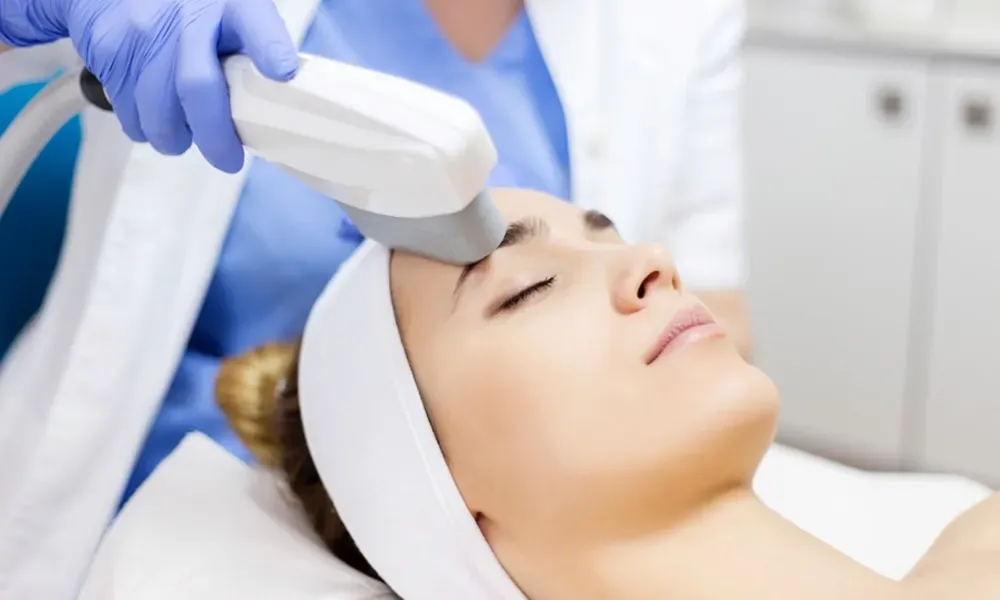
Acne is a common skin condition that affects millions of people worldwide, including many living in Dubai. The hot, humid climate, combined with pollution and lifestyle factors, can worsen acne symptoms for residents and visitors alike. If you are looking for the best dermatologist approved acne treatments in Dubai, this article will guide you through the most effective options available, as well as expert tips for managing acne and achieving clearer, healthier skin.
In this detailed guide, we’ll cover what causes acne, why professional treatment matters, and the range of treatments Dubai dermatologists recommend for different types of acne. You’ll also learn practical skincare advice and how to choose the right specialist for your skin.
Understanding Acne: Causes and Types
Before diving into treatments, it’s important to understand what acne is and why it happens.

Acne occurs when hair follicles (pores) on the skin become clogged with oil (sebum), dead skin cells, and bacteria. This can lead to different types of pimples, including blackheads, whiteheads, pustules, and cysts. Acne is influenced by several factors:
- Hormonal Changes: Puberty, menstrual cycles, pregnancy, or hormonal disorders can increase oil production.
- Genetics: Acne can run in families.
- Diet and Lifestyle: High sugar or dairy intake, stress, and lack of sleep can contribute.
- Environmental Factors: Pollution and humidity, both common in Dubai, can aggravate acne.
- Skin Care Products: Using comedogenic (pore-clogging) products can worsen acne.
Common Types of Acne
Dermatologists classify acne into different types, which helps determine the best treatment approach:

- Comedonal Acne: Includes blackheads and whiteheads caused by clogged pores.
- Inflammatory Acne: Red, swollen pimples or pustules.
- Cystic Acne: Deep, painful lumps beneath the skin surface.
- Hormonal Acne: Typically appears around the jawline and chin, influenced by hormonal fluctuations.
- Acne Mechanica: Caused by friction or pressure, such as from helmets or tight clothing.
Why Choose Dermatologist Approved Acne Treatments?
Many people try over-the-counter products with mixed results. Dermatologist approved treatments are more effective because:
- Personalized Diagnosis: Dermatologists examine your skin closely to identify acne type and triggers.
- Advanced Medical Options: They can prescribe stronger topical or oral medications not available over the counter.
- Safe Procedures: Treatments like chemical peels, lasers, and extractions are performed under professional supervision to avoid complications.
- Prevention of Scarring: Early and proper treatment reduces the risk of permanent skin damage.
- Expert Guidance: Dermatologists advise on skincare routines and lifestyle changes that support treatment success.
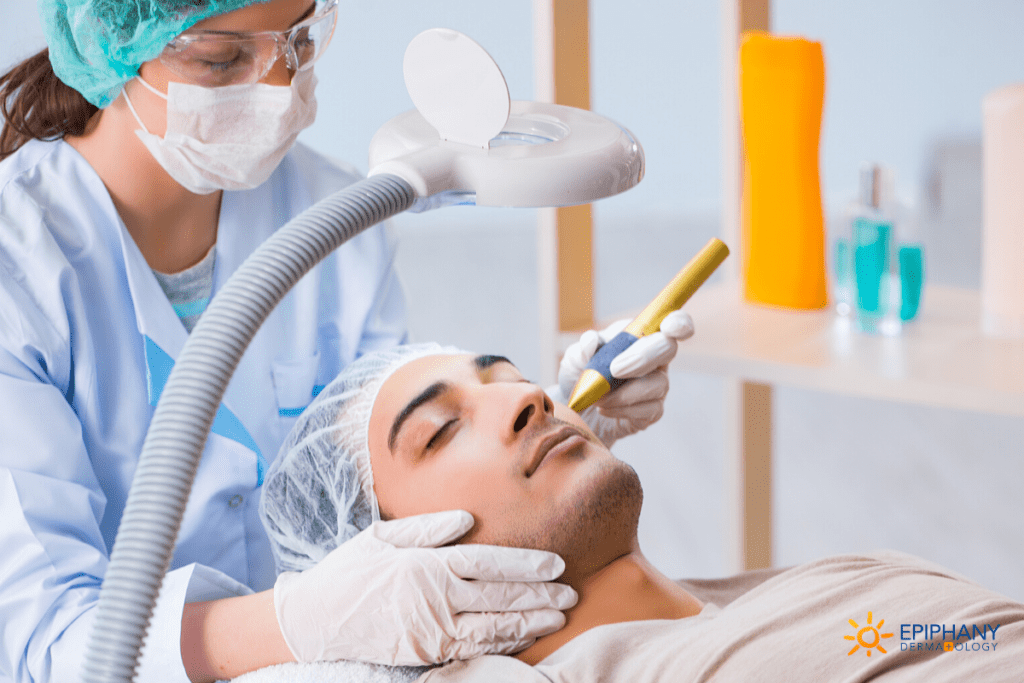
Best Dermatologist Approved Acne Treatments in Dubai
1. Topical Medications
Topical treatments are the foundation of acne therapy. Dermatologists in Dubai commonly recommend:
- Retinoids (e.g., tretinoin, adapalene): These vitamin A derivatives promote cell turnover, preventing clogged pores and reducing inflammation. They are especially effective for comedonal and inflammatory acne.
- Benzoyl Peroxide: This antibacterial agent kills acne-causing bacteria (Propionibacterium acnes) and helps reduce inflammation. Often combined with antibiotics for enhanced effect.
- Topical Antibiotics (e.g., clindamycin, erythromycin): Help reduce bacterial growth and inflammation.
- Azelaic Acid: Has antibacterial and anti-inflammatory properties, and also helps lighten post-acne marks.
- Salicylic Acid: A beta-hydroxy acid (BHA) that exfoliates dead skin cells, unclogs pores, and soothes inflammation.
Dermatologists tailor combinations based on your skin’s sensitivity and acne severity.
2. Oral Medications
For moderate to severe acne, oral treatments may be necessary:
- Antibiotics (e.g., doxycycline, minocycline): Help reduce bacterial infection and inflammation from within.
- Oral Contraceptives: For females with hormonal acne, certain birth control pills regulate hormone levels, reducing breakouts.
- Isotretinoin (Accutane): Reserved for severe cystic acne that doesn’t respond to other treatments. It significantly reduces oil production and inflammation but requires close medical supervision due to potential side effects.
3. Chemical Peels
Chemical peels are popular in Dubai clinics due to their effectiveness and minimal downtime. A chemical solution is applied to exfoliate the outer layers of skin, promoting regeneration and reducing acne marks.
- Glycolic Acid Peels: Help with mild to moderate acne and improve skin texture.
- Salicylic Acid Peels: Target oily, acne-prone skin by deeply cleansing pores.
- TCA (Trichloroacetic Acid) Peels: Used for more stubborn acne scars and hyperpigmentation.
Multiple sessions may be needed for best results.
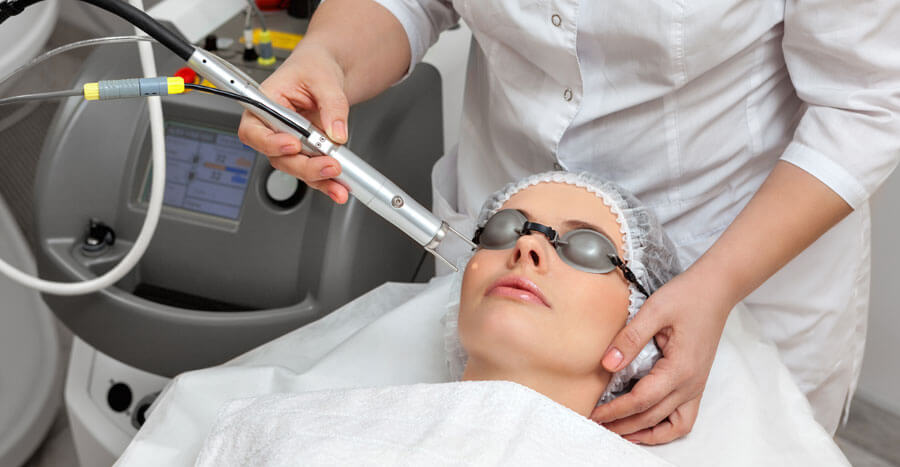
4. Laser and Light-Based Therapies
Dubai’s advanced dermatology clinics offer various laser and light treatments:
- Blue Light Therapy: Targets acne-causing bacteria, reducing inflammation with no downtime.
- Pulsed Dye Laser (PDL): Reduces redness and inflammation in active acne.
- Fractional Laser Resurfacing: Helps reduce acne scars by stimulating collagen production and resurfacing damaged skin.
- Photodynamic Therapy (PDT): Combines a photosensitizing drug with light exposure to destroy oil glands and bacteria.
These treatments can be combined with medications for enhanced results.
5. Microneedling with PRP (Platelet-Rich Plasma)
Microneedling involves creating tiny micro-injuries in the skin to boost collagen production and improve texture. When combined with PRP, which uses the patient’s own blood platelets to enhance healing, it effectively treats acne scars and rejuvenates skin.
6. Professional Extractions
While it’s tempting to pick or squeeze pimples at home, this can cause infections and scarring. Dermatologists perform safe extractions of blackheads and whiteheads under sterile conditions, minimizing damage and promoting faster healing.
Skincare Tips from Dubai Dermatologists for Acne-Prone Skin
Professional treatment works best when combined with a consistent, gentle skincare routine:
- Cleanse Twice Daily: Use a mild, non-comedogenic cleanser to remove excess oil, dirt, and makeup without stripping your skin.
- Moisturize: Hydrate with lightweight, oil-free moisturizers that won’t clog pores.
- Apply Sunscreen Daily: Sun exposure can worsen acne scars and pigmentation, so choose a broad-spectrum, non-comedogenic sunscreen.
- Avoid Harsh Scrubs: Physical exfoliation can irritate skin and worsen acne.
- Don’t Pick or Squeeze Pimples: This causes inflammation and scarring.
- Stay Hydrated and Eat a Balanced Diet: Limit sugar and dairy intake if they trigger breakouts.
- Manage Stress: Stress hormones can worsen acne, so practice relaxation techniques.
Why Dubai’s Climate Demands Specialized Acne Care
Dubai’s desert climate with high heat, humidity, and dust can aggravate acne by increasing oil production and clogging pores. Pollution further stresses the skin, making professional dermatologist care essential. Many clinics here offer treatments specifically designed to protect skin from environmental damage while addressing acne.
How to Choose the Right Dermatologist in Dubai for Acne Treatment
When selecting a dermatologist, consider these factors:
- Qualifications and Experience: Look for board-certified dermatologists with experience in acne treatment.
- Clinic Reputation: Read reviews and testimonials.
- Range of Treatments Offered: Ensure the clinic provides comprehensive acne care, including advanced therapies.
- Personalized Care: Choose a dermatologist who tailors treatment plans to your unique skin needs.
- Follow-Up Support: Acne treatment requires monitoring and adjustment, so ensure ongoing care is available.
Real Success Stories: Acne Treatment in Dubai
Many patients have transformed their skin with dermatologist-approved treatments in Dubai. For example, Sarah, a 28-year-old expat, struggled with cystic acne for years until she consulted a specialist. After a combination of oral medication and laser therapy, her acne cleared significantly, and her confidence soared.
Similarly, Ahmed, a 35-year-old resident, found relief from persistent hormonal acne with oral contraceptives and topical retinoids, alongside a dermatologist-recommended skincare routine.
Conclusion: The Best Dermatologist Approved Acne Treatments in Dubai Are Within Your Reach
Acne doesn’t have to control your life. The best dermatologist approved acne treatments in Dubai combine medical expertise with cutting-edge technology to provide effective, safe, and lasting results. Whether you have mild breakouts or severe cystic acne, professional care can help you achieve clearer, healthier skin.
Don’t wait to seek help schedule a consultation with a qualified Dubai dermatologist today and take the first step toward radiant, acne-free skin.
Do follow UAE Stories on Instagram
Read Next – Best Laser Hair Removal Clinics in UAE: Top Picks 2025