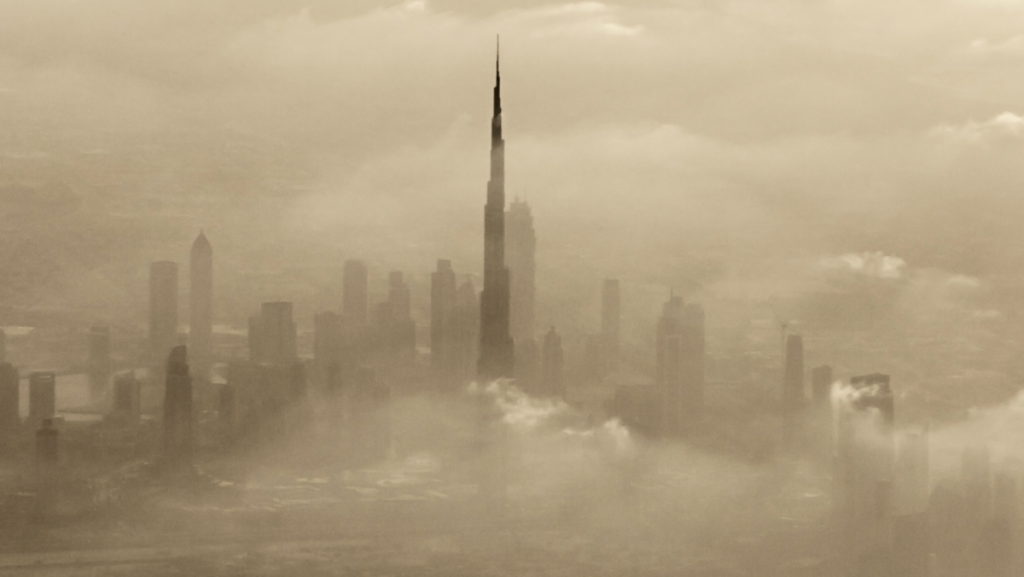
Dubai is a city known for its futuristic skyline and desert climate, but when rain does fall, curiosity strikes. Many wonder if the downpour is simply luck or a result of science. The answer lies in cloud seeding—a fascinating process that allows humans to gently encourage clouds to release rain.
Cloud seeding might sound like science fiction, but it is very real and has been practiced in the UAE for decades. With the UAE Research Programme for Rain Enhancement Science (UAEREP) actively working to refine cloud analysis, Dubai is taking artificial rainfall to a new level.
What is Cloud Seeding?
Cloud seeding is the process of artificially stimulating rainfall by introducing certain particles into clouds. These particles act as catalysts, encouraging clouds to release water droplets that eventually fall as rain.

In the UAE, silver iodide is the most commonly used seeding agent. It’s a compound often encountered in chemistry lessons, now playing a vital role in sustaining water supplies in arid regions. Cloud seeding is not a new experiment—it has been applied in the UAE since the late 1990s and has reportedly increased rainfall by at least 15 percent annually.
Why Dubai Uses Cloud Seeding
Dubai experiences extremely low rainfall, and in a desert environment, even a little extra precipitation can make a significant difference. Cloud seeding offers several benefits:

- Water Security: Artificial rainfall helps replenish reservoirs and groundwater, contributing to national water security.
- Agriculture Support: Even limited rain can benefit crop growth and maintain greener landscapes.
- Climate Adaptation: With climate change affecting rainfall patterns, cloud seeding provides a scientific method to manage scarce water resources.
By enhancing rainfall, the UAE ensures that residents and businesses have access to more reliable water supplies, which is crucial in one of the driest parts of the world.
How Cloud Seeding Works
The process involves several steps. First, meteorologists identify clouds that have the potential to produce rain. Aircraft are then dispatched to release seeding agents, such as silver iodide, into these clouds. These particles encourage moisture to condense into droplets, which grow heavy enough to fall as rain.
Recent advancements allow scientists to analyze clouds more precisely, increasing the efficiency of seeding missions. This means more rainfall can be generated with minimal impact on the environment.
The Future of Cloud Seeding in Dubai
The UAE plans to continue expanding its cloud seeding program. Experts anticipate conducting hundreds of seeding missions each year, with 2025 expected to see as many as 300 operations across the country.
Research is also underway to explore eco-friendly alternatives to traditional agents like silver iodide. The goal is to ensure that the environment is not disrupted while still enhancing rainfall.
Cloud seeding represents a perfect blend of technology and nature, allowing the UAE to adapt intelligently to its arid climate while safeguarding resources for the future.
Final Thoughts
Cloud seeding may seem like a small technical process, but its impact on Dubai’s water security and environmental sustainability is enormous. By continuing to refine techniques and explore greener solutions, the UAE demonstrates how science can actively shape nature to support human and ecological needs.
Whether it’s a rare desert rain shower or a full monsoon of artificial rainfall, cloud seeding in Dubai shows that even the skies can be influenced with careful planning, innovation, and respect for nature.
Do follow UAE Stories on Instagram
Read Next – Ulta Beauty Dubai Arrives: Your Ultimate Destination for Glamour