
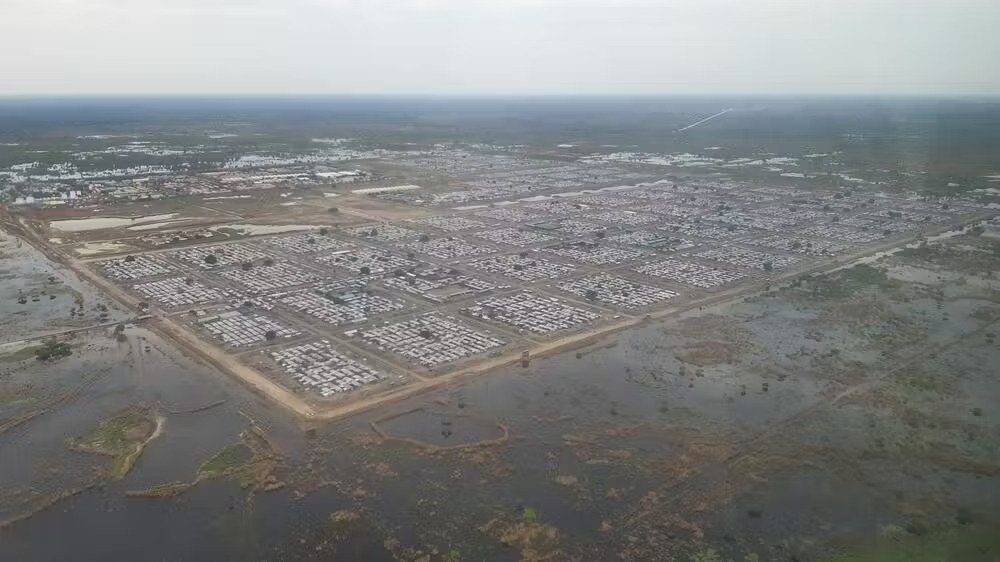
In the heart of East Africa, a silent humanitarian crisis is unfolding—one not triggered by war or political instability alone, but by relentless and intensifying natural forces. South Sudan, the world’s youngest nation, is now being recognized as potentially the first country to witness a large-scale, permanent displacement of its population due to climate change. The culprit: years of unrelenting floods that have swallowed entire communities, upended livelihoods, and forced hundreds of thousands to leave their homes indefinitely.
This phenomenon raises an alarming question: Is South Sudan the first definitive example of a nation facing irreversible climate migration? And if so, what does this mean for the rest of the world?
The Devastation of Recurring Floods
Since 2019, South Sudan has experienced unprecedented levels of flooding, exacerbated by heavier-than-usual rainfall and changes in regional weather patterns. Entire regions—particularly Jonglei, Unity, and Upper Nile states—have been submerged for months, destroying farmland, homes, schools, and infrastructure.

What sets the current situation apart is its persistence. Normally, floodwaters in the region recede within weeks. But over the past four years, the water has remained. Fields remain underwater year-round, sanitation systems have collapsed, and disease is spreading through stagnant floodplains. For many families, returning to their villages is no longer an option—they have become lakes, not land.
Displacement on a Massive Scale
The numbers paint a bleak picture. According to UN agencies, more than 1.6 million people in South Sudan are displaced due to floods and associated disasters, and this figure continues to climb. Many of these individuals have fled multiple times, often from one flood-stricken area to another. Camps for internally displaced persons (IDPs) are swelling, but resources are stretched thin.

The most striking detail, however, is the permanence of this displacement. Unlike other flood-related crises where people eventually return home, South Sudan’s flood victims have no such prospect. Farmland has eroded, villages have been swallowed, and the climate data suggests the situation will worsen. These are not temporary climate refugees—they are part of a new category of victims: the permanently displaced by climate change.
A Humanitarian Crisis, Deepened
For a country already grappling with the aftershocks of decades of civil war, food insecurity, and poverty, the floods have added another dimension to an already fragile reality. Aid organizations describe scenes of desperation: families huddled on narrow strips of dry land, children dying from waterborne diseases, and women walking miles to access clean water or medical help.
Livelihoods have been decimated. South Sudan is heavily reliant on agriculture and cattle herding, both of which are impossible in submerged lands. Crops have failed, and livestock has perished in the thousands. With each passing year, the ability to recover diminishes, creating a cycle of dependency, malnutrition, and despair.
The Science Behind the Water
Experts attribute the changing flood patterns in South Sudan to a complex interplay of global climate factors. Rising temperatures in the Indian Ocean are altering rainfall distribution across East Africa. At the same time, deforestation and environmental mismanagement in the Nile basin and surrounding areas have reduced the land’s natural ability to absorb water. The result: more intense, prolonged, and destructive floods.
In the past, South Sudan experienced a wet and dry season. But now, erratic rainfall and longer wet seasons have left little room for recovery. Climate scientists warn that the flooding will not only continue but may become a permanent fixture in many areas of the country, effectively redrawing the nation’s geography.
Climate Displacement Becomes Reality
What makes South Sudan’s case unique—and historically significant—is its scale and duration. While island nations like Kiribati and Tuvalu have long warned of rising sea levels, South Sudan may be the first to experience mass, permanent displacement inland due to climate-induced flooding.
This development pushes the global discourse on climate refugees into new territory. Until now, much of the international legal framework for refugees has focused on conflict or political persecution. Climate-induced displacement remains in a gray area, with no clear legal protections or resettlement frameworks for those displaced by environmental collapse.
South Sudan’s crisis could force a global reckoning. If a nation’s population is permanently forced to move because of climate change, where do they go? Who is responsible for supporting them? And how should international law adapt to a world where climate displacement is not an exception but a growing norm?
The Road Ahead: Urgency and Innovation
Responding to this crisis requires more than short-term aid drops or temporary shelters. It demands a systemic, long-term approach that includes:
- Climate-resilient infrastructure: Developing elevated housing, floating agriculture, and effective drainage systems can help communities adapt rather than evacuate.
- Strategic relocation planning: For areas that are no longer viable, carefully planned relocation programs—with dignity and input from affected communities—are essential.
- International support and climate financing: Wealthier nations, many of which contribute disproportionately to climate change, must step up with financial assistance and technological support to help South Sudan and similar countries adapt.
- Policy reform: There is an urgent need to develop international frameworks that recognize and protect climate refugees, ensuring they have access to basic rights, mobility, and humanitarian assistance.
A Global Wake-Up Call
South Sudan’s tragedy is a warning bell for the world. What is happening in this young nation is not isolated—it is a glimpse into a future that could become common if global climate inaction persists. From Bangladesh to the Sahel, from small island states to parts of the American Midwest, the phenomenon of permanent climate displacement is no longer theoretical.
The images of children walking through knee-high waters to attend school, of farmers watching their fields vanish beneath murky waters, and of communities clinging to ever-shrinking patches of dry land are not just stories of South Sudan—they are harbingers of a broader global crisis.
Conclusion
South Sudan may be the first nation where mass, permanent displacement due to climate change is unfolding before our eyes. But it will not be the last. As the waters rise and the earth warms, the world must redefine what it means to be a refugee, rethink how we respond to climate disasters, and reimagine global solidarity in the age of the climate crisis.
Ignoring this moment would not only fail the people of South Sudan—it would set a dangerous precedent for humanity’s collective future. The time to act is now, before climate exodus becomes the defining human story of the century.
Do follow Uae stories for more Updates
Magic Unveiled: Disney Announces First Middle East Theme Park in Abu Dhabi