Navigating the financial landscape in the UAE can be intricate, especially when it comes to the issue of cheque bounce cases. A bounced cheque can lead to significant legal and financial repercussions, making it crucial for residents and businesses to understand the implications. In this article, we’ll explore what constitutes a cheque bounce case in the UAE, the legal framework surrounding it, and what you can do if you find yourself involved in such a situation.
What Is a Cheque Bounce Case in the UAE?
A cheque bounce case arises when a bank refuses to honor a cheque due to insufficient funds or if the account is closed. In the UAE, issuing a cheque that bounces is not merely an inconvenience; it can lead to serious legal consequences. The law treats bounced cheques as a criminal offense, which means that individuals could potentially face imprisonment and financial penalties.
Understanding the legal ramifications is essential for anyone who issues or receives cheques in the UAE. The penalties can vary depending on the circumstances surrounding the bounced cheque, including the amount involved and the intent of the issuer.

Legal Framework Governing Cheque Bounce Cases
The UAE has established strict laws regarding cheque bounce cases to maintain trust in financial transactions. The primary legislation governing these cases is Federal Law No. 18 of 1993, which outlines the rules surrounding payment instruments, including cheques.
One of the key provisions in this law is that individuals who issue a cheque without adequate funds can face criminal charges. This is particularly true if the cheque is for an amount over a specific threshold. The law aims to protect both businesses and individuals from fraudulent activities that can arise from insufficient funds.

Steps to Take If You Are Involved in a Cheque Bounce Case
If you find yourself facing a cheque bounce case, it’s essential to act swiftly and thoughtfully. Here are some steps you can take:
First, contact the individual or business who issued the cheque. Often, there may be a simple misunderstanding or oversight that can be resolved amicably. Open communication can sometimes lead to a resolution without escalating the situation.
If direct communication does not yield results, it may be necessary to consult a legal professional who specializes in financial disputes. They can provide guidance tailored to your specific circumstances and help you navigate the complex legal landscape.
In the event that you are on the issuing end of a bounced cheque, it’s crucial to address the issue immediately. You should seek to deposit the necessary funds into your account and notify the payee. Taking proactive steps can sometimes mitigate the legal consequences.
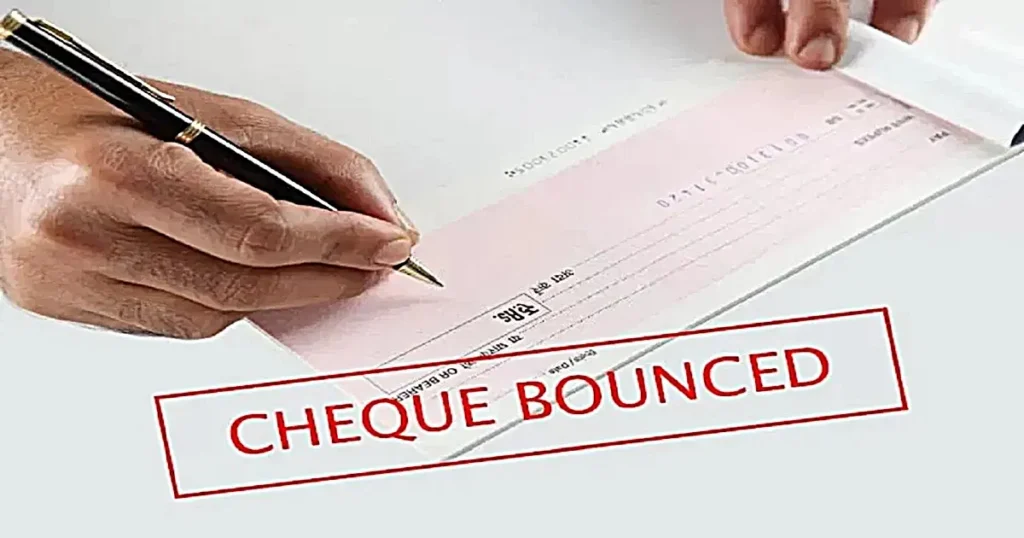
The Financial Implications of a Cheque Bounce Case
The financial ramifications of a bounced cheque can be significant. Apart from the immediate financial loss to the payee, the issuer may face various penalties, including fines. The severity of these penalties often depends on the amount involved and the number of prior offences.
Moreover, a bounced cheque can damage your creditworthiness and reputation, especially in a financial hub like the UAE. This can lead to difficulties in obtaining loans, credit cards, or conducting future business transactions.
Understanding the financial implications is crucial for both individuals and businesses. It emphasizes the importance of maintaining sufficient funds in accounts and managing financial commitments responsibly.
Preventing Cheque Bounce Cases: Best Practices
Preventing cheque bounce cases involves adopting sound financial practices. Here are some strategies to consider:
Always ensure that you have sufficient funds in your account before issuing a cheque. Regularly monitoring your account can help avoid accidental overdrafts.
If you’re managing a business, consider using electronic payment methods where possible. Digital transactions are often faster and reduce the risk of cheques bouncing.
Educate yourself and your employees about the laws surrounding cheque transactions in the UAE. Understanding the legal framework can help everyone involved make informed decisions.
Conclusion: Navigating Cheque Bounce Cases in the UAE
A cheque bounce case in the UAE can lead to serious legal and financial consequences, making it essential for individuals and businesses to navigate the landscape carefully. By understanding the legal framework, taking proactive steps, and adopting best practices, you can mitigate the risks associated with bounced cheques.
Whether you are an issuer or a recipient of cheques, being aware of the implications helps maintain trust and integrity in your financial dealings. Always approach cheque transactions with caution and ensure you are informed about your rights and responsibilities.
Do follow UAE Stories on Instagram
Read Next – UAE Bank KYC Update Explained: Important Changes You Should Know