

Brain-computer interface research in UAE is emerging as a key area of technological and scientific advancement. With the integration of neuroscience, artificial intelligence, and robotics, UAE institutions are exploring ways to decode brain signals and translate them into meaningful actions. This field promises to revolutionize healthcare, education, robotics, and human-computer interaction in the region.
As the UAE accelerates its focus on innovation and future technologies, brain-computer interface (BCI) research is gaining significant attention from universities, research centers, and tech startups. This article delves into the state of BCI research in UAE, its applications, challenges, and future prospects.
What is Brain-Computer Interface (BCI)?
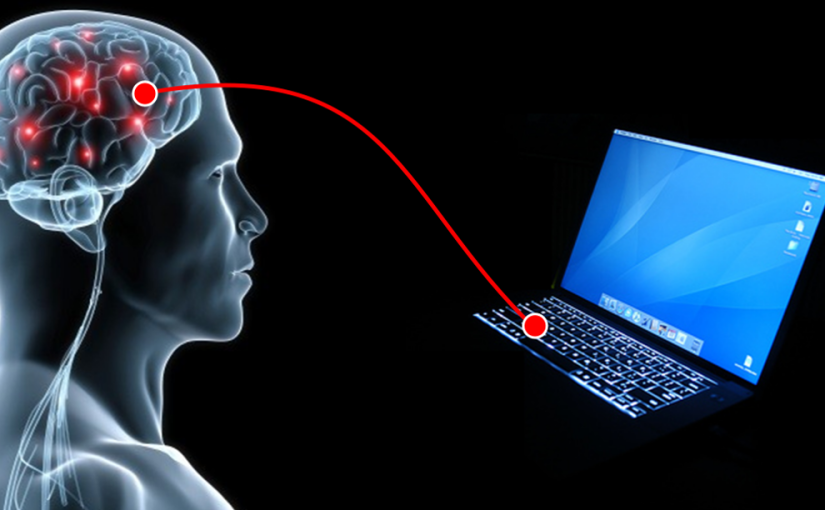
A brain-computer interface is a system that enables direct communication between the human brain and external devices. It interprets neural signals from the brain and converts them into commands that can control computers, prosthetics, or other machines.

Key components of a BCI system include:
- Signal Acquisition: Capturing brain activity through EEG, fMRI, or implanted sensors.
- Signal Processing: Filtering and analyzing neural data to extract meaningful patterns.
- Translation Algorithm: Converting brain signals into actionable commands.
- Output Device: Robots, computers, or prosthetics that respond to brain commands.
BCI systems can be invasive (implanted) or non-invasive (external sensors), depending on the application.

Growth of BCI Research in UAE
Several factors contribute to the rapid growth of brain-computer interface research in UAE:
- National Innovation Agenda: UAE’s Vision 2031 emphasizes AI, robotics, and healthcare technology.
- Investment in Neuroscience: Universities and research centers are funding neuroscience laboratories.
- Healthcare Advancement: BCIs offer solutions for patients with neurological disorders and mobility impairments.
- Collaboration with Global Experts: UAE institutions partner with international BCI research centers and tech companies.
Major institutions like Khalifa University, UAE University, and NYU Abu Dhabi are leading research efforts in neural decoding, signal processing, and brain-controlled devices.
Applications of Brain-Computer Interfaces in UAE
1. Healthcare & Rehabilitation
BCIs are used to assist patients with paralysis, stroke, or neurodegenerative diseases. Patients can control prosthetic limbs or communication devices using neural signals.
2. Neurotechnology & Cognitive Enhancement
BCI research aims to enhance cognitive functions, memory retention, and learning capabilities. UAE researchers are exploring neural stimulation techniques combined with AI to improve brain performance.
3. Robotics & Assistive Devices
BCIs allow individuals to control robotic arms, exoskeletons, and wheelchairs through thought alone. This technology is transforming rehabilitation and accessibility for people with disabilities.
4. Human-Computer Interaction
Innovations in BCIs are enabling hands-free control of computers, smartphones, and smart home devices, creating seamless interaction between humans and technology.
5. Research & Neuroscience Education
BCI research contributes to understanding brain functions, neural connectivity, and cognitive patterns. This knowledge is vital for UAE’s growing neuroscience and AI research sectors.
Notable BCI Projects in UAE
- Khalifa University BCI Lab: Conducting research on EEG-based communication systems for paralyzed patients.
- NYU Abu Dhabi Neural Interface Research: Developing AI algorithms for decoding complex brain signals.
- Dubai Health Authority & Smart Prosthetics: Collaborating on thought-controlled prosthetic limbs for rehabilitation.
- UAE Neuroscience Hackathons: Engaging students and startups to innovate BCI solutions for real-world applications.
These projects highlight UAE’s commitment to translating advanced research into practical solutions.
Benefits of BCI Research in UAE
1. Enhanced Healthcare Outcomes
BCIs can significantly improve mobility, communication, and quality of life for patients with neurological disorders.
2. Technological Leadership
Investing in BCI positions UAE as a regional leader in neurotechnology, AI, and robotics.
3. Economic Growth
BCI startups and innovations contribute to UAE’s technology ecosystem and attract global investment.
4. Educational Advancement
Research programs foster talent development in neuroscience, engineering, and AI.
5. Global Collaboration
Partnerships with international institutions accelerate knowledge exchange and technological innovation.
Challenges in BCI Research
Despite promising growth, BCI research faces several challenges:
- Technical Complexity: Decoding neural signals accurately is highly challenging.
- High Costs: Developing and testing BCI systems requires significant investment.
- Ethical & Privacy Concerns: Handling sensitive neural data raises questions about consent and security.
- Integration with AI: Combining BCI data with machine learning models requires advanced computational resources.
- Public Awareness: Understanding and trust in BCI technology remain limited among the general population.
Addressing these challenges is essential for sustainable and responsible development of BCI technology in UAE.
Emerging Trends in UAE BCI Research
AI-Powered Neural Decoding
Machine learning models enhance signal interpretation and improve the accuracy of BCI devices.
Wireless & Non-Invasive BCIs
Research is focusing on non-invasive systems that offer convenience, comfort, and safety for users.
Neuroprosthetics
Integration of BCIs with robotic prosthetics is allowing precise control for patients with limb loss.
Brain-to-Brain Communication
Advanced experiments explore direct brain-to-brain information transfer, opening possibilities for collaborative thinking.
Gamification & Cognitive Training
BCI-enabled games and applications are used for cognitive enhancement, rehabilitation, and mental health monitoring.
Government & Industry Support
UAE government initiatives are promoting research and innovation in BCIs:
- UAE Artificial Intelligence Strategy: Encourages integration of AI and neural technologies.
- Innovation Centers: Funding neuroscience and BCI research at universities and startups.
- Healthcare Partnerships: Collaborations between hospitals, labs, and tech companies to develop BCI solutions.
- Smart City Integration: Incorporating BCI-enabled devices into healthcare, education, and public services.
These initiatives provide an enabling ecosystem for research, commercialization, and adoption of BCIs.
Future Outlook
Brain-computer interface research in UAE is poised for transformative growth. Future developments may include:
- Affordable Consumer BCIs: Non-invasive devices for daily use, gaming, and productivity.
- Integration with Smart Homes & IoT: Seamless interaction between brain signals and connected devices.
- Expanded Healthcare Applications: BCIs for early detection of neurological disorders and personalized rehabilitation.
- Global Leadership in Neurotechnology: UAE becoming a hub for BCI innovation and commercialization in the Middle East.
As research and adoption continue, BCIs have the potential to redefine human-computer interaction, rehabilitation, and cognitive enhancement in UAE and beyond.
Conclusion
Brain-computer interface research in UAE is shaping a future where thought-controlled technology becomes a reality. By combining neuroscience, AI, and robotics, UAE is positioning itself as a leader in neurotechnology innovation. With continued investment, collaboration, and ethical implementation, BCIs promise to revolutionize healthcare, education, and human-computer interaction in the region.
Do follow UAE Stories on Instagram
Unlock Tax-Free Wealth: Why Expats Thrive in Dubai