The fear creeps in again
A fresh wave of panic rippled through a quiet neighbourhood when another unsuspecting resident received an extortion call, allegedly from the notorious Dubai-based gangster known as Billa. The resident, a soft-spoken businessman in his early 40s, never imagined his routine life would be shattered by a single phone call filled with threats and chilling demands.
He was not the first, and sadly, might not be the last. This isn’t just a crime story—it’s a glimpse into the growing reach of crime syndicates hiding behind international borders, invading the peace of everyday citizens with terrifying ease.

The call that changed everything
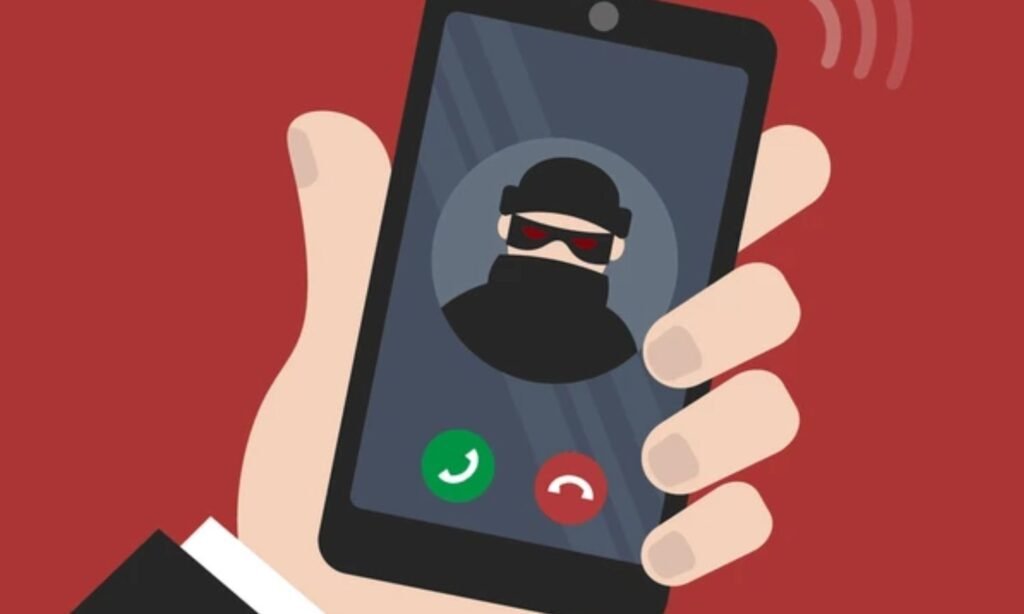
The call came late in the evening, just after dinner. The man was relaxing with his family, unaware that his world was about to tilt. The voice on the other end didn’t waste time—it identified itself as “Billa” and demanded a hefty sum of money. The tone was cold, calculated, and unforgiving. There were veiled threats—mention of the man’s business, his children, his daily schedule.

For a few minutes, time stood still for the family. Shock melted into panic. The caller hung up with a warning: “You know what happens when you say no.”
What followed was a night of fear, confusion, and a whirlwind of phone calls to friends, lawyers, and eventually, the police. But even as help arrived, one question kept ringing in the man’s head: How did they get my number? My name? My life?
A pattern that’s hard to ignore
This isn’t the first time Billa’s name has surfaced in such cases. Over the last few months, a pattern has emerged—random yet eerily targeted. Individuals from different walks of life—builders, businessmen, shop owners—have reported receiving extortion threats from international numbers, many tracing back to the same network.
The common thread? A demand for money, a deep knowledge of the victim’s personal life, and the psychological warfare of fear.
What’s scarier is that these calls aren’t just random scams. They’re strategic, almost surgical. Victims have reported the callers knowing exact addresses, names of children, office locations, and more. It feels less like a scam and more like being watched.
The human cost of a faceless crime
Behind every such case is a family dealing with sleepless nights and heightened anxiety. The man who received the recent call has since limited his movements. His children no longer travel to school alone. His wife checks every lock thrice before bed. Their home, once a place of laughter, now feels like a fortress under siege.
This is the unspoken cost of such crimes—the mental and emotional toll that lingers long after the call ends.
“It’s not just about the money,” he said quietly. “It’s about our safety, our peace. Even if I don’t pay, the fear doesn’t leave.”
Why victims stay silent
Despite the growing number of cases, not everyone speaks up. Many victims prefer to suffer in silence, afraid of retaliation, or too ashamed to be seen as vulnerable. Some even believe that reporting it won’t change anything—that the gangster is too far away, too protected, too untouchable.
But silence only strengthens the predator. That’s why this particular resident, despite his fear, decided to come forward. Not for sympathy, but so others don’t feel alone. So they know it’s okay to speak up, to ask for help, to demand justice.

The growing digital reach of crime
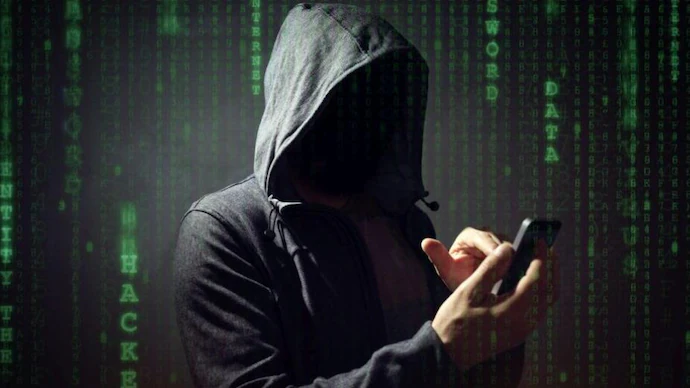
What makes Billa and others like him dangerous isn’t just their ruthlessness—it’s their reach. Operating from abroad, using encrypted apps and anonymous SIM cards, they manage to bypass local jurisdictions and hide behind digital walls.
Technology that once connected the world is now being weaponised by criminals who know how to stay two steps ahead. And until global systems of law enforcement evolve to match that reach, residents remain vulnerable to shadows that dial from a distance.
Hope in unity
But not all is bleak. With each new report, the authorities become better prepared. Cyber cells are growing stronger, more alert. Communities are starting to talk, share, warn, and protect each other. The more people report, the harder it becomes for these criminals to hide.
And then there’s courage—the kind shown by this resident and others like him. People who, even when scared, choose to speak. Who refuse to let fear silence them.

A call for change
This incident is more than just another crime—it’s a call to action. It highlights the urgent need for stronger cybercrime frameworks, for cross-border cooperation, and for community-driven support systems. It’s also a reminder that anyone, no matter how ordinary their life may seem, can become a target—and therefore must be equipped, informed, and protected.
For the resident who received the call, the journey ahead is still uncertain. But in standing up, he’s already taken the most important step.
Because courage isn’t the absence of fear. It’s answering the phone—and saying no.
Do follow UAE Stories on Instagram
Amazon Prime Day UAE Unveils Exciting Summer Dates and Deals