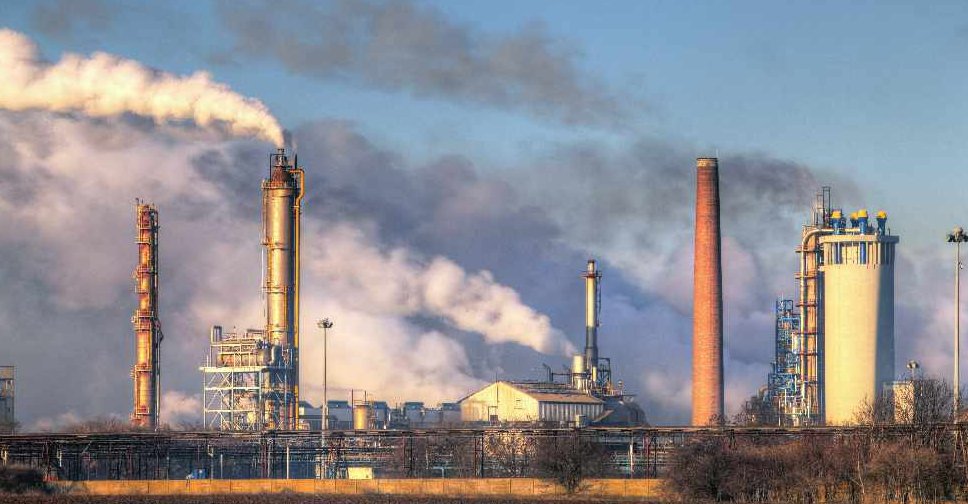
Air quality and pollution control have become critical priorities in the UAE as urbanization, industrial growth, and increasing traffic impact environmental health. Ensuring clean air is essential not only for public health but also for sustainable economic development. The UAE is investing heavily in monitoring systems, innovative technologies, and regulatory measures to improve air quality and reduce pollution levels across its cities. By adopting proactive strategies, the country is positioning itself as a leader in environmental management in the region.
Government Initiatives for Cleaner Air
The UAE government has implemented comprehensive policies to address air pollution and promote environmental sustainability. Regulatory frameworks focus on emissions control, industrial monitoring, and urban planning designed to reduce pollution sources. Authorities also collaborate with international organizations to adopt best practices in air quality management. These initiatives aim to balance economic growth with environmental protection, ensuring that urban development does not compromise public health.
Advanced Air Quality Monitoring Systems
Modern air quality monitoring systems are central to pollution control efforts in the UAE. Sensors, satellite data, and real-time reporting networks help track pollutants such as particulate matter, nitrogen oxides, and volatile organic compounds. Cities like Dubai and Abu Dhabi use these systems to identify pollution hotspots and implement targeted interventions. Real-time data also supports research, policymaking, and public awareness campaigns, empowering residents to make informed decisions about their health and daily activities.

Industrial Pollution Control
Industrial emissions are a major contributor to urban air pollution. The UAE is enforcing strict regulations on factories, power plants, and construction sites to limit emissions of harmful gases and particulate matter. Companies are encouraged to adopt cleaner technologies, energy-efficient processes, and emission-reducing equipment. Regular inspections and compliance monitoring ensure that industrial activities align with national environmental goals, helping reduce air pollution while maintaining economic productivity.
Transportation and Vehicle Emission Reduction
Traffic is a significant source of urban air pollution in UAE cities. To tackle this, authorities are promoting cleaner transportation solutions such as electric vehicles, public transit expansion, and smart traffic management. Initiatives include subsidized EV purchases, increased charging infrastructure, and metro and tram network expansions. By reducing vehicle emissions, the UAE is cutting particulate matter in the air, decreasing greenhouse gases, and improving the overall health of residents.

Green Urban Planning and Sustainable Architecture
Urban planning plays a critical role in improving air quality. The UAE incorporates green spaces, tree-lined streets, and sustainable building designs to reduce heat islands and filter airborne pollutants. Smart city strategies include optimizing traffic flow, promoting pedestrian-friendly areas, and integrating renewable energy sources. These measures not only enhance air quality but also create more livable and attractive urban environments for residents and visitors alike.
Role of Renewable Energy in Pollution Control
Renewable energy initiatives are central to reducing air pollution in the UAE. Solar, wind, and other clean energy projects replace fossil fuel power generation, cutting carbon emissions and other pollutants. By investing in large-scale solar farms, smart grids, and energy-efficient technologies, the UAE is decreasing reliance on polluting energy sources. These efforts contribute to improved air quality and align with the nation’s sustainability targets.
Public Awareness and Community Engagement
Community engagement is essential for effective air quality management. The UAE has launched campaigns to educate the public about the effects of pollution, ways to reduce emissions, and the importance of monitoring air quality. Schools, media, and social platforms are used to spread awareness and encourage behavior changes such as reduced car usage, recycling, and energy conservation. Informed citizens play a critical role in complementing government efforts to achieve cleaner air.
Smart Technologies for Pollution Control
Emerging technologies are revolutionizing air quality management. AI-driven predictive systems analyze pollution patterns, drones monitor emissions from difficult-to-reach areas, and IoT devices track industrial outputs in real time. In the UAE, smart technologies are integrated into environmental policies to ensure rapid detection, response, and mitigation of pollution sources. These innovations increase efficiency, reduce human error, and enhance regulatory compliance.
Indoor Air Quality and Health Impacts
Air quality control extends beyond outdoor environments. Indoor pollution, caused by building materials, cooking fumes, and ventilation systems, affects public health. The UAE promotes the use of air filtration systems, smart HVAC solutions, and sustainable building materials in residential and commercial spaces. Improved indoor air quality reduces respiratory illnesses, enhances productivity, and contributes to overall well-being.
Environmental Regulations and International Standards
The UAE aligns its air quality policies with international standards to ensure compliance and global competitiveness. Emission limits, vehicle regulations, and industrial guidelines follow World Health Organization recommendations and ISO standards. Collaboration with international environmental agencies ensures continuous improvement and adoption of the latest technologies for pollution control.
Pollution Control in Construction and Urban Development
Construction activities contribute significantly to dust and particulate matter. In response, the UAE has implemented guidelines for dust suppression, waste management, and sustainable construction practices. Developers are encouraged to use low-emission machinery, dust barriers, and recycled materials. These measures protect air quality while supporting urban expansion and infrastructure development.
Climate Change and Air Quality
Air pollution and climate change are closely linked. Rising temperatures, desertification, and urbanization exacerbate air quality challenges. The UAE addresses these interconnections through carbon reduction initiatives, renewable energy deployment, and urban greening projects. By tackling both climate change and pollution simultaneously, the nation ensures long-term environmental resilience and public health protection.
Impact on Public Health
Improved air quality directly benefits public health by reducing respiratory illnesses, cardiovascular diseases, and allergies. Residents in UAE cities are experiencing measurable improvements in air quality due to stringent regulations, green infrastructure, and pollution control technologies. Cleaner air also enhances quality of life, productivity, and overall urban well-being.

Future of Air Quality Management in UAE
The future of air quality and pollution control in the UAE is promising. Planned initiatives include expanding green zones, implementing more smart monitoring networks, and deploying advanced emission-reducing technologies in industrial and transport sectors. Authorities are also exploring innovative solutions such as carbon capture, air-purifying urban designs, and AI-driven policy modeling. These steps position the UAE as a leader in environmental management and sustainability.
Economic and Social Benefits
Air quality improvement generates both economic and social benefits. Reduced healthcare costs, increased productivity, and enhanced urban livability contribute to economic growth. Cleaner air attracts global talent, international investment, and tourism, strengthening the UAE’s position as a modern, sustainable, and desirable destination. Socially, residents enjoy healthier lifestyles, improved outdoor experiences, and a stronger connection to their environment.
Collaborative Research and Innovation
Collaboration with universities, research centers, and international experts drives innovation in pollution control. The UAE invests in research on air filtration technologies, low-emission fuels, and environmental monitoring. By fostering a culture of innovation, the nation develops homegrown solutions while benefiting from global expertise, ensuring continuous progress in air quality management.
Conclusion: Pioneering a Healthier and Sustainable Future
Air quality and pollution control in the UAE represent a comprehensive approach to protecting public health, supporting sustainable growth, and enhancing urban life. With advanced monitoring systems, green urban planning, renewable energy initiatives, and public engagement, the country is setting a global example in environmental management. As technology, policy, and community efforts converge, the UAE is moving toward cleaner air, healthier cities, and a sustainable future for generations to come.
Do follow UAE Stories on Instagram
Top 7 Golf and Sports Clubs Every Expat Will Absolutely Love