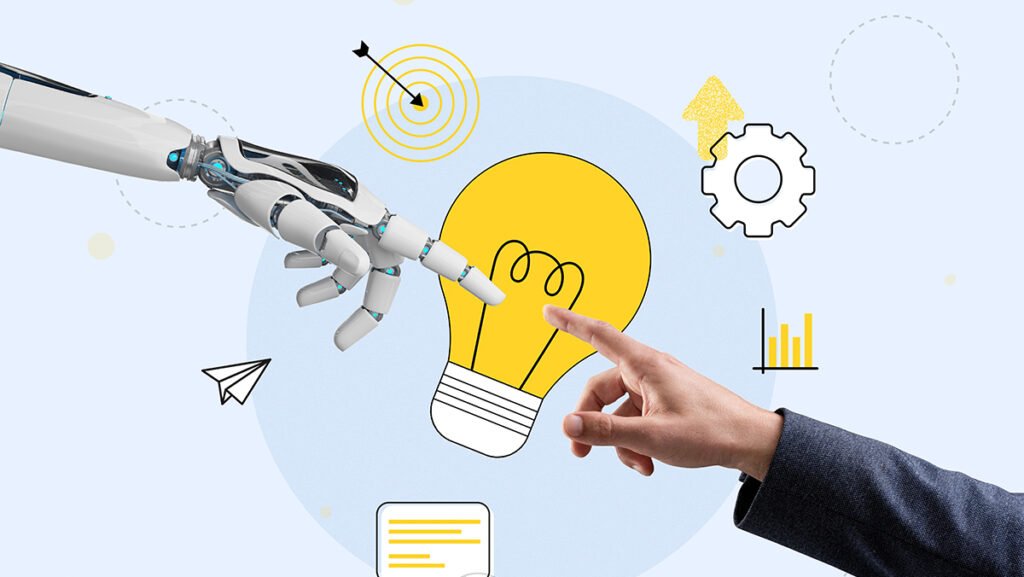
Artificial Intelligence (AI) is not a future concept anymore. It’s already shaping how businesses operate. But by 2030, the impact of AI in business decision-making will be deeper, smarter, and far more transformative than we can imagine today.
From predicting consumer trends to optimizing operations in real time, AI will become the brain behind business strategies. Let’s explore how AI will reshape decision-making across industries by the end of this decade.
Introduction: Why AI Matters in Decision-Making
The business world is driven by decisions big and small. Traditionally, these decisions were based on human judgment, experience, and data analysis. But with the rapid rise of AI, businesses now have the ability to make smarter, faster, and more accurate decisions than ever before.

By 2030, AI in business decision-making won’t just be a tool; it will be a central part of every company’s strategy. The companies that harness AI wisely will gain a clear competitive edge.
The Current Role of AI in Business
AI already plays a key role in many business functions:

- Chatbots and virtual assistants enhance customer service
- Algorithms predict inventory needs and optimize logistics
- Machine learning helps detect fraud in financial systems
- AI systems assist HR departments in hiring the right talent
However, most businesses are still at an early stage of using AI for core decision-making. The full potential is yet to come.

How AI Will Reshape Business Decision-Making by 2030
By 2030, AI will evolve from a supportive role to a leadership role in decision-making. Here’s how:
Smarter Forecasting and Predictive Analytics
AI will allow companies to predict future trends with incredible accuracy. For example:
- Retailers can forecast demand for specific products in real time
- Finance firms can anticipate market changes and adjust portfolios
- Healthcare providers can predict patient needs and allocate resources
These insights will not just be faster—they’ll be constantly updated with live data, giving businesses a real edge.
Real-Time Data-Driven Decisions
Currently, many decisions are made based on weekly or monthly reports. But AI systems will enable real-time analysis and response.
Imagine:
- A logistics company re-routing deliveries instantly based on weather changes
- An e-commerce platform adjusting pricing dynamically according to competitor activity
- A factory adjusting production speed based on current energy prices
This shift to real-time intelligence will allow businesses to be more agile and responsive.
Enhanced Customer Insights
By 2030, AI will offer complete views of customers by analyzing data from various sources such as social media, buying behavior, browsing habits, and feedback.
This will help companies:
- Tailor products and services to individual preferences
- Predict customer churn and take proactive steps to retain clients
- Develop personalized marketing strategies
Automated Routine Decision-Making
AI will take over routine and repetitive decision-making, freeing up human teams for more creative and strategic tasks.
Examples include:
- Approving loan applications using machine learning models
- Automatically selecting job candidates based on skill matching
- Managing supply chain reorders without human involvement
AI-Driven Strategic Planning
One of the most exciting changes is AI’s role in high-level strategic decisions.
By analyzing large datasets from industry trends, economic indicators, and internal performance, AI systems will recommend strategies, not just support them.
Executives will use AI to:
- Explore what-if scenarios
- Evaluate new markets for expansion
- Make investment decisions based on predictive outcomes
This will lead to data-backed boardroom decisions with reduced risk and higher confidence.
Industry-Specific Impacts
Finance
- AI will power autonomous trading systems
- Risk assessment will be more accurate with real-time data
- Compliance and fraud detection will be mostly automated
Retail
- AI will personalize customer journeys
- Smart shelves and inventory bots will optimize stock
- Virtual assistants will guide users based on past behavior
Healthcare
- AI will help doctors make faster and more accurate diagnoses
- Predictive tools will assist in preventing diseases
- AI will optimize hospital resource allocation
Manufacturing
- Predictive maintenance will reduce downtime
- AI-driven robotics will make factories more efficient
- Real-time analytics will improve production planning
Marketing
- AI will create dynamic ad campaigns based on real-time user data
- Sentiment analysis will guide brand messaging
- Marketers will use AI to test and refine strategies rapidly
Ethical and Human Considerations
As AI grows in decision-making power, ethical concerns will also rise.
Key questions include:
- Who is accountable for AI-made decisions
- How do we ensure fairness and avoid bias
- How much control should humans retain
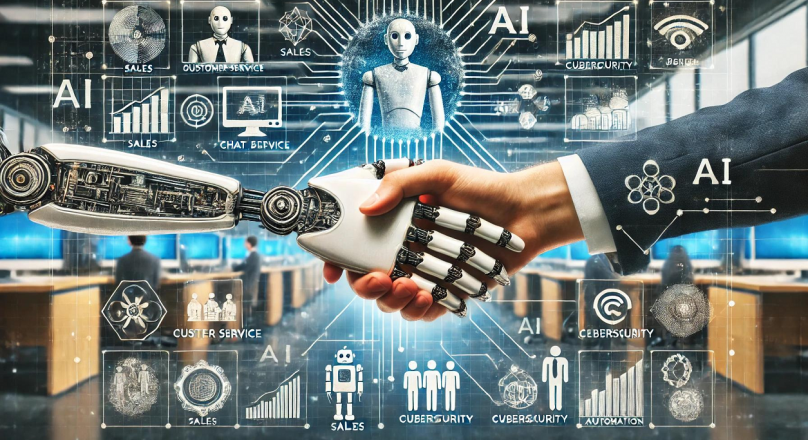
Businesses will need to maintain transparency, build explainable AI models, and ensure that AI complements human judgment—not replaces it.
Preparing for 2030: What Businesses Should Do Now
To stay ahead, companies need to take action today:
1. Invest in AI Infrastructure
Start building data pipelines, cloud systems, and AI-ready architectures.
2. Upskill Your Workforce
Train employees in AI literacy so they can work alongside intelligent systems.
3. Start Small, Think Big
Implement AI in specific areas, measure ROI, and scale intelligently.
4. Prioritize Ethical AI
Create frameworks for responsible AI use that align with your business values.
5. Partner with AI Experts
Collaborate with AI solution providers and academic institutions to stay current.
Conclusion
By 2030, AI in business decision-making will be the norm, not the exception. It will lead to smarter forecasts, faster responses, deeper insights, and stronger strategies. Businesses that prepare now will not only survive but thrive in this AI-powered era.
The future is closer than it appears, and it speaks the language of data, intelligence, and automation.
Whether you’re a startup or an enterprise, it’s time to ask: Are you ready for AI to help make your next big decision?
Do follow UAE Stories on Instagram
Read More: Flying Taxis In Dubai By 2026: What You May Pay, Where They Will Land