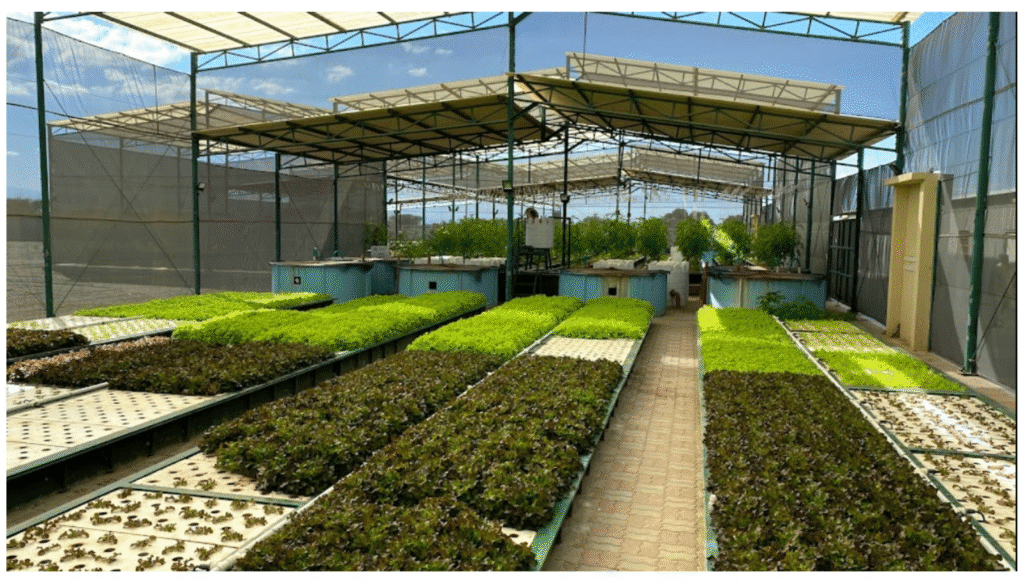
Agri-tech adoption in UAE is revolutionizing traditional farming by introducing innovative solutions such as hydroponics and aquaponics. With limited arable land and water scarcity, the country has turned to technology to ensure food security, sustainability, and economic growth. Hydroponics, a soil-less method of growing plants using nutrient-rich water, and aquaponics, which combines fish farming with plant cultivation, are transforming how crops are produced in urban and desert environments. These systems are not only efficient and sustainable but also align with the UAE’s vision for smart agriculture and technological innovation.
Government Support and Strategic Vision
The UAE government has made food security a national priority. Strategic plans, investment incentives, and research initiatives encourage the adoption of modern agri-tech solutions. Policies support urban farming, controlled-environment agriculture, and innovation hubs that explore hydroponic and aquaponic systems. Government-backed initiatives aim to reduce dependence on imported food, boost local production, and establish the UAE as a regional leader in smart agriculture technologies.
Hydroponics: Soil-Free Farming Revolution
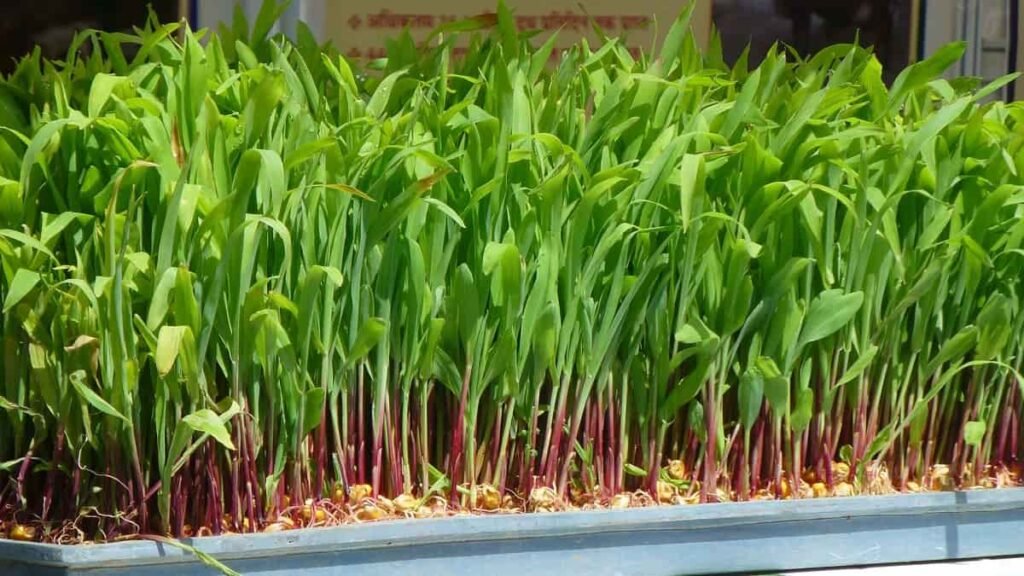
Hydroponics allows plants to grow in nutrient-rich water solutions without soil, using vertical farms or greenhouse setups. This method conserves water, accelerates growth cycles, and maximizes yield per square meter. In the UAE, hydroponic farms are emerging in urban centers, desert areas, and commercial greenhouses, providing fresh vegetables, herbs, and leafy greens year-round. By leveraging controlled environments, hydroponics mitigates climate-related challenges and reduces the reliance on traditional agriculture.

Aquaponics: Combining Fish Farming with Plant Cultivation
Aquaponics integrates aquaculture (raising fish) with hydroponic plant cultivation, creating a symbiotic system where fish waste provides nutrients for plants, and plants purify water for fish. This circular system enhances sustainability, reduces water consumption, and produces both protein and vegetables simultaneously. In the UAE, aquaponics projects are being developed in commercial farms and urban centers, demonstrating the potential for high-efficiency, integrated food production.
Urban Agriculture and Rooftop Farms
Urban agriculture is gaining traction in UAE cities, where hydroponics and aquaponics are deployed in rooftop gardens, office buildings, and community farms. These projects bring food production closer to consumers, reduce transportation costs, and promote local sustainability. Urban farms also provide educational opportunities, raise awareness about healthy eating, and foster community engagement. By integrating agriculture into cityscapes, the UAE is creating resilient, self-sufficient urban food systems.

Technological Integration in Agri-Tech
Agri-tech adoption in the UAE relies heavily on technology. Automated climate control, sensors for nutrient monitoring, IoT platforms, and AI-driven data analytics optimize plant growth and resource efficiency. These technologies ensure that hydroponic and aquaponic farms maintain optimal conditions, detect diseases early, and maximize yields. Smart farming solutions also allow remote monitoring and management, making high-tech agriculture scalable and efficient even in harsh desert climates.
Water Conservation and Sustainability
Water scarcity is a major challenge in the UAE, making hydroponics and aquaponics ideal solutions. These systems use significantly less water than traditional soil-based agriculture, sometimes reducing consumption by up to 90 percent. Recycled water, efficient irrigation, and controlled nutrient delivery contribute to sustainability. By adopting water-smart farming, the UAE ensures long-term food production resilience while protecting natural resources.
Economic Impact and Investment Opportunities
Agri-tech adoption creates significant economic opportunities. Hydroponic and aquaponic farms attract local and foreign investment, generate employment in high-tech agriculture, and stimulate related industries such as technology, logistics, and food processing. Investors see potential in scaling urban farms, commercial greenhouses, and innovative food production solutions, positioning the UAE as a hub for modern agriculture in the Middle East.
Enhancing Food Security
Hydroponics and aquaponics directly contribute to national food security. By producing fresh, high-quality crops year-round, the UAE reduces dependence on imports and strengthens resilience against global supply chain disruptions. These technologies ensure consistent food availability, even during extreme weather or international crises, safeguarding public health and the economy.
Educational and Research Initiatives
Universities, research centers, and innovation hubs are actively exploring hydroponics and aquaponics in the UAE. Collaborative research projects focus on improving crop yields, optimizing nutrient solutions, and integrating renewable energy into controlled environments. Educational programs train the next generation of farmers and agri-tech specialists, creating a skilled workforce capable of supporting the nation’s smart agriculture ambitions.
Community and Social Benefits
Agri-tech projects also provide social benefits. Community farms and urban agriculture initiatives promote healthy diets, foster local engagement, and educate citizens about sustainable food production. Rooftop gardens in schools, hospitals, and residential complexes encourage awareness of environmental issues and sustainable living. These initiatives contribute to a culture of innovation, sustainability, and wellness across the UAE.
Integration with Renewable Energy
Many hydroponic and aquaponic farms in the UAE integrate renewable energy solutions such as solar panels and energy-efficient systems. This reduces operational costs, lowers carbon emissions, and aligns food production with sustainability goals. Combining renewable energy with agri-tech creates environmentally responsible farming models that are scalable and replicable across urban and desert regions.
Challenges in Agri-Tech Adoption
Despite rapid growth, challenges remain in adopting hydroponics and aquaponics. High setup costs, technical expertise requirements, and energy consumption concerns can hinder large-scale implementation. However, ongoing research, government support, and private sector innovation are addressing these barriers, making modern agri-tech increasingly accessible and profitable in the UAE context.
International Collaboration and Knowledge Transfer
The UAE collaborates with international experts, universities, and technology providers to implement best practices in hydroponics and aquaponics. These partnerships bring advanced techniques, knowledge transfer, and global innovations into local projects. By learning from international models, the UAE accelerates agri-tech adoption and ensures that local solutions meet global standards of efficiency and sustainability.
Market Expansion and Consumer Demand
Rising consumer awareness about healthy, locally produced food is driving demand for hydroponic and aquaponic products. Retailers, supermarkets, and restaurants increasingly source fresh vegetables, herbs, and fish from local high-tech farms. This trend creates market opportunities for urban farmers and strengthens the integration of agri-tech into the UAE’s food supply chain.
Future of Agri-Tech in UAE
The future of agri-tech adoption in the UAE looks promising. Expansion of vertical farms, rooftop gardens, and integrated aquaponic systems will increase local production capacity. AI-driven farming, renewable energy integration, and automated systems will make farms more efficient and sustainable. As urban agriculture continues to grow, hydroponics and aquaponics are set to become central pillars of the UAE’s food security and sustainability strategy.
Environmental and Health Benefits
Hydroponics and aquaponics reduce the need for chemical fertilizers, pesticides, and long-distance transportation, improving environmental and public health outcomes. Fresh, locally grown produce supports healthier diets, while sustainable farming practices protect ecosystems and conserve water. These benefits reinforce the UAE’s commitment to sustainability, innovation, and quality of life for its residents.
Economic and Social Transformation
Agri-tech adoption in the UAE not only transforms agriculture but also drives economic diversification. It creates jobs, attracts investment, and fosters entrepreneurship in smart farming. Socially, it encourages urban sustainability, community participation, and awareness about environmental responsibility. Hydroponics and aquaponics thus contribute to holistic national growth, integrating technology, economy, and society.
Conclusion: Building a Sustainable and Innovative Agriculture Sector
Agri-tech adoption in the UAE, through hydroponics and aquaponics, is revolutionizing food production, sustainability, and urban farming. With government support, technological innovation, and community engagement, the country is creating a resilient, efficient, and environmentally responsible agriculture sector. By integrating modern farming practices into urban and desert environments, the UAE ensures food security, supports economic growth, and enhances quality of life. The nation’s commitment to hydroponics and aquaponics sets a global benchmark for innovative, sustainable agriculture, positioning the UAE as a leader in modern farming solutions.
Do follow UAE Stories on Instagram
Discover Dubai’s Most Beautiful and Sustainable Homes for Expats