
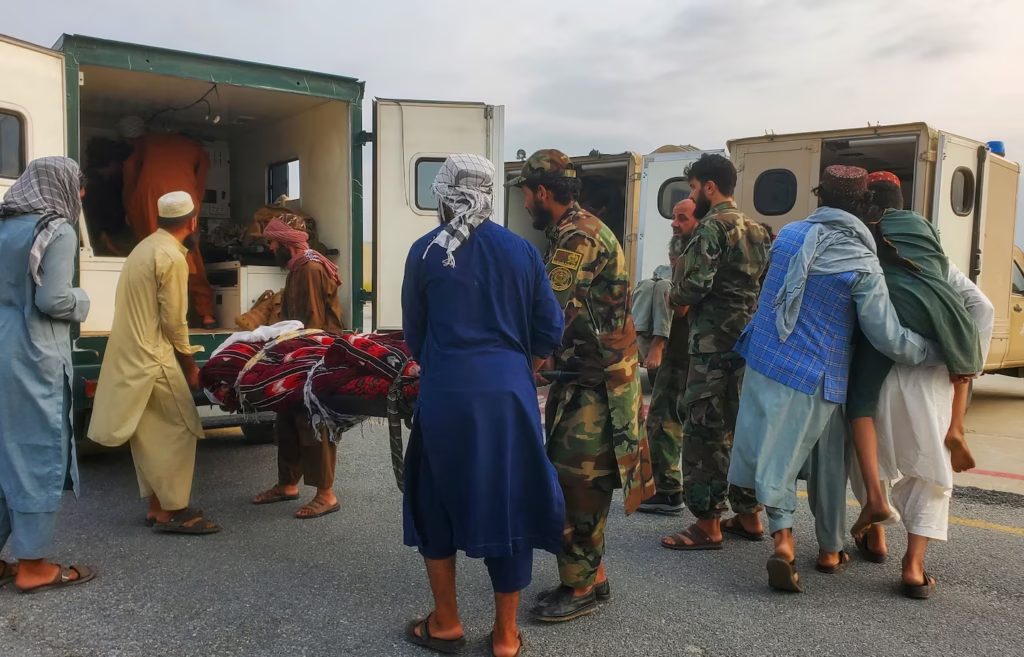
Rising Death Toll and Widespread Destruction
Afghanistan earthquake today has shaken the country to its core. A powerful magnitude 6.0 earthquake struck eastern Afghanistan on September 1, 2025, leaving behind a trail of destruction, death, and despair. The tremor was centered near Jalalabad in Nangarhar Province and parts of Kunar Province, collapsing homes and entire villages in a matter of seconds.
The Afghan interior ministry confirmed that more than 622 people have died and over 1,500 have been injured. The numbers are expected to rise as rescuers reach more remote districts. Officials fear that many are still trapped under the rubble.
The quake struck at a shallow depth of around 8 to 10 kilometers, which intensified its destructive power. Villages made of mud and stone houses crumbled quickly, leaving families homeless overnight. Tremors were felt far beyond Afghanistan, shaking buildings as far away as Kabul and Islamabad.

Survivors Struggle in Hard-Hit Provinces
The provinces of Kunar and Nangarhar suffered the greatest losses. In Kunar, some villages were reported to be almost completely destroyed. Survivors have described pulling loved ones out of the rubble with their bare hands, often without proper equipment or medical aid.
One resident of Nurgal district explained in despair, “Children are under the rubble. The elderly are under the rubble. We need people to come here and help us pull them out.” Such heart-wrenching testimonies highlight the urgency of the crisis.

Rescue efforts face enormous challenges. The mountainous terrain and poor road infrastructure make it difficult for aid teams to access affected areas. Landslides triggered by the quake have blocked roads, delaying the transport of injured victims to hospitals. Helicopters are now being used to airlift survivors to medical facilities in Jalalabad and Kabul.
Emergency Response and Humanitarian Challenges
Afghan authorities, along with local communities, have launched urgent rescue and relief operations. Volunteers are working alongside officials to search for survivors, provide first aid, and distribute food and water. Hospitals in Jalalabad and Kabul are overwhelmed, struggling to cope with the surge of injured patients.
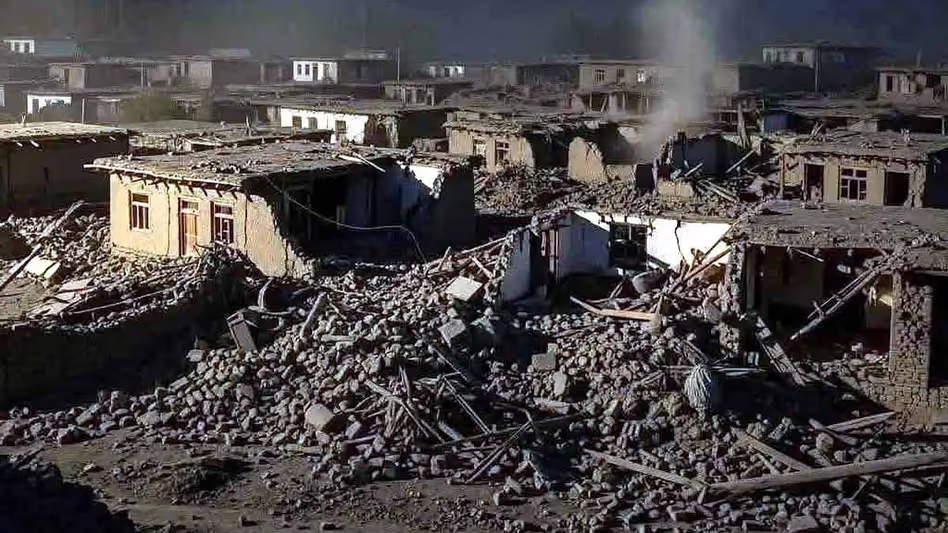
Medical supplies such as blood, surgical kits, and trauma care equipment are in critical demand. Thousands of people are in need of emergency shelter after their homes were flattened. With the weather turning cooler, concerns are growing that displaced families could face further hardship without tents, blankets, and basic supplies.
International response has been slow due to Afghanistan’s political situation and logistical hurdles. However, humanitarian agencies and groups such as the Afghan Red Crescent and the United Nations are beginning to mobilize aid. Their focus is on providing medical assistance, temporary housing, and essential supplies to survivors.
Afghanistan’s Vulnerability to Earthquakes
Afghanistan sits on a major fault line where the Indian and Eurasian tectonic plates meet. This makes the country prone to frequent earthquakes. Unfortunately, decades of war, poverty, and weak infrastructure have left it especially vulnerable to natural disasters.
In many rural areas, houses are built from mud, wood, or poorly made bricks, making them highly unsafe during quakes. A shallow earthquake like the one that struck today causes maximum surface damage.
Afghanistan has faced similar tragedies in recent years. In 2023, an earthquake in Herat killed nearly 1,500 people. The year before, another quake claimed the lives of over 1,000 people. These repeated disasters underline the urgent need for stronger buildings, better preparedness, and more robust disaster response systems.
Voices From the Ground
Personal accounts reveal the scale of human suffering. Survivors describe hearing the screams of family members trapped beneath collapsed homes, struggling to dig them out with little more than shovels and bare hands. Children, the elderly, and the most vulnerable have suffered the worst.
Despite the tragedy, stories of courage and resilience have also emerged. Neighbors have come together to rescue strangers. Families are sharing what little food and water they have left with those who lost everything. Local mosques and community centers have been turned into temporary shelters for displaced families.
The Road Ahead: Rescue and Recovery
While the immediate priority is saving lives, Afghanistan faces enormous challenges in recovery. Thousands have lost their homes and livelihoods, and rebuilding will take years. Infrastructure such as roads and bridges must be repaired quickly to ensure aid can reach remote areas.
Healthcare facilities will need urgent support, as many are overwhelmed by casualties. Without enough medical staff, supplies, and equipment, the death toll could rise further. International donors and organizations will play a critical role in supporting Afghanistan’s recovery.
Beyond immediate relief, the disaster highlights the need for long-term strategies to strengthen Afghanistan’s resilience against earthquakes. This includes constructing earthquake-resistant housing, training local communities in disaster response, and improving early warning systems.
Call for Global Support
The Afghanistan earthquake today is a tragedy that demands global attention. The scale of destruction has overwhelmed local capacity, and international aid is urgently needed to save lives and support recovery. Food, medical supplies, shelter, and financial assistance will be critical in the coming days.
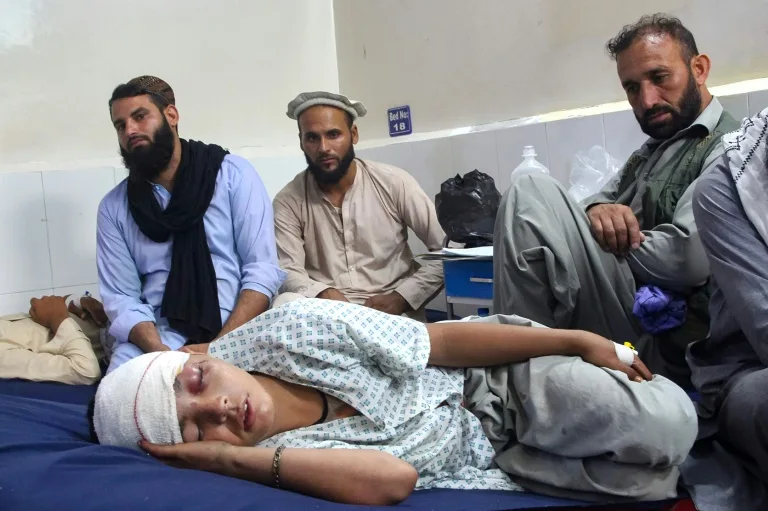
Communities in Afghanistan are already struggling with poverty and limited resources. Without swift global assistance, the humanitarian crisis could deepen. This is not only a tragedy for Afghanistan but a reminder of the importance of international solidarity during natural disasters.
Conclusion
The Afghanistan earthquake today has left more than 600 dead and thousands injured. Entire communities have been wiped out, and survivors are in desperate need of help. Rescue operations are ongoing, but challenges remain immense.
While Afghanistan has a history of devastating earthquakes, the impact is always made worse by fragile infrastructure and humanitarian constraints. This latest tragedy calls for urgent international support, both for immediate relief and long-term recovery.
The resilience and courage of Afghan people in the face of repeated disasters remain inspiring, but they cannot face this tragedy alone. The world must stand with them during this critical moment.
Do follow UAE Stories on Instagram
Read Next – Dubai Launches World’s First AI-Powered ‘Emirati Family’: But What Is Its Purpose? Find Out!