
Multiple Sclerosis is a challenging neurological disease that affects millions worldwide. It causes the immune system to attack the nervous system, leading to problems with movement, balance, and speech. While treatments exist, many patients eventually find their options limited as the disease progresses.
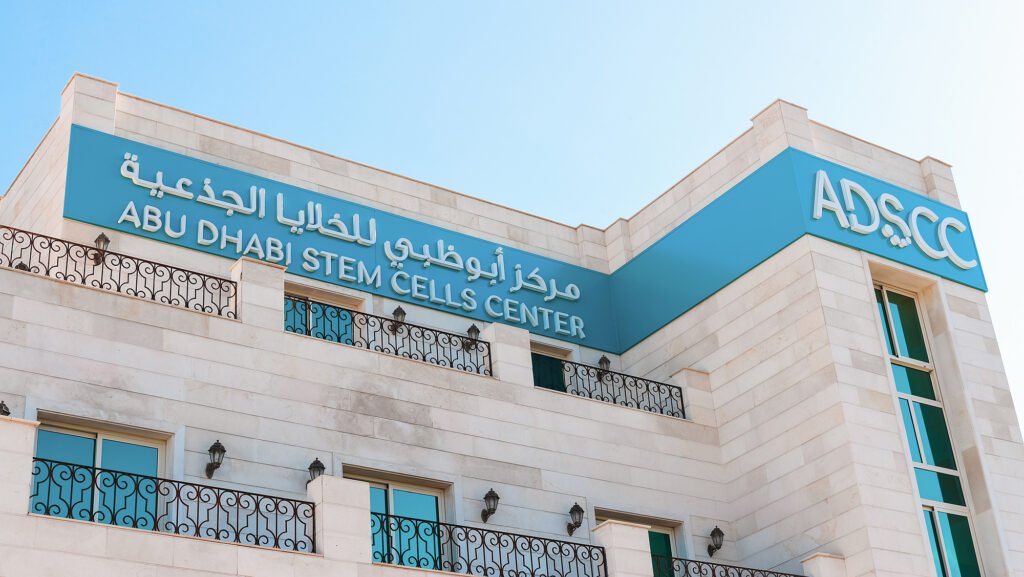
In a promising breakthrough, the Abu Dhabi Stem Cells Centre has developed an advanced treatment for Multiple Sclerosis using a technology called extracorporeal photopheresis. This treatment is currently being tested in a clinical trial approved by the Department of Health in Abu Dhabi, marking an important milestone in the fight against Multiple Sclerosis.
What is Multiple Sclerosis and Why Is New Treatment Needed?
Multiple Sclerosis is an autoimmune disorder where the body’s immune system attacks the protective covering of nerve fibers called myelin. This damage interrupts the communication between the brain and the rest of the body, causing a wide range of symptoms. These can include muscle weakness, problems with coordination, difficulty walking, vision issues, and speech difficulties.

Though there are various therapies available, many patients with Multiple Sclerosis eventually experience a progression of symptoms that current treatments cannot fully control. This has driven researchers to find new and more effective ways to slow the disease and improve patients’ quality of life.
Introducing Extracorporeal Photopheresis
Extracorporeal photopheresis is an immune-based treatment traditionally used for certain blood cancers and immune disorders. The Abu Dhabi Stem Cells Centre has taken this technology and adapted it as an advanced treatment for Multiple Sclerosis.

The process involves collecting a patient’s white blood cells and treating them outside the body with a special drug. These cells are then exposed to ultraviolet light before being returned to the patient’s bloodstream. This treatment helps to reset or balance the immune system, potentially slowing the harmful immune attacks that cause Multiple Sclerosis symptoms.

The Clinical Trial Testing the New Treatment
The advanced treatment for Multiple Sclerosis is currently being evaluated in a clinical study called PHOMS. This trial focuses on patients with two common forms of Multiple Sclerosis:
- Secondary Progressive Multiple Sclerosis, where symptoms steadily worsen over time
- Relapsing-Remitting Multiple Sclerosis, where patients experience flare-ups followed by periods of remission
Early participants in the trial have reported improvements in walking, balance, and speech—areas often hardest to treat with conventional therapies. This gives new hope to many patients who have struggled to find effective treatments.
Why This Treatment is a Game Changer for Multiple Sclerosis
For many people living with Multiple Sclerosis, managing symptoms and slowing disease progression is a daily battle. Traditional medications work for some time but often lose effectiveness or cause side effects. The new treatment using extracorporeal photopheresis offers a fresh approach by targeting the immune system differently.
This method could slow the progression of Multiple Sclerosis, reduce symptom severity, and improve the overall quality of life for patients. It may also open doors for new treatment options for other autoimmune and neurological diseases.
The Role of Abu Dhabi in Medical Innovation
The United Arab Emirates, and Abu Dhabi in particular, is emerging as a leader in advanced medical research and innovation. The Abu Dhabi Stem Cells Centre is at the forefront of this movement, focusing on stem cell therapies and gene therapy technologies.
By developing and testing this advanced treatment for Multiple Sclerosis locally, Abu Dhabi is contributing to global medical progress and bringing cutting-edge therapies closer to patients in the region.
What Patients Should Know
While still in clinical trials, this advanced treatment offers hope for many living with Multiple Sclerosis, especially those who have not responded well to current therapies. If you or a loved one is interested in learning more about this treatment or the ongoing clinical study, it is important to speak with your healthcare provider or contact the Abu Dhabi Stem Cells Centre for further guidance.
Looking Ahead
The development of this advanced treatment is an exciting step in the fight against Multiple Sclerosis. It demonstrates how innovative medical technologies can transform care and offer new hope to patients facing difficult health challenges.
As research continues, this therapy may become a widely accepted option, improving lives both in the United Arab Emirates and around the world. For now, the clinical trial results are encouraging, and the medical community eagerly awaits further findings.
Summary
- Multiple Sclerosis is a complex neurological disease causing movement and speech difficulties.
- Current treatments often become less effective over time, creating a need for new options.
- Abu Dhabi Stem Cells Centre is testing an advanced treatment using extracorporeal photopheresis.
- Extracorporeal photopheresis works by treating and rebalancing immune cells outside the body before returning them to the patient.
- Early clinical trial results show improvement in symptoms like balance, walking, and speech.
- The United Arab Emirates is positioning itself as a leader in innovative medical treatments through projects like this.
- Patients interested in this treatment should consult healthcare professionals for more information.
This advanced treatment represents a hopeful future for those living with Multiple Sclerosis. With ongoing research and clinical trials, it may soon become a key option in managing this complex disease.
Do follow UAE Stories on Instagram
Read Next – Dubai Investment Scams on the Rise: Police Warn Public to Stay Alert