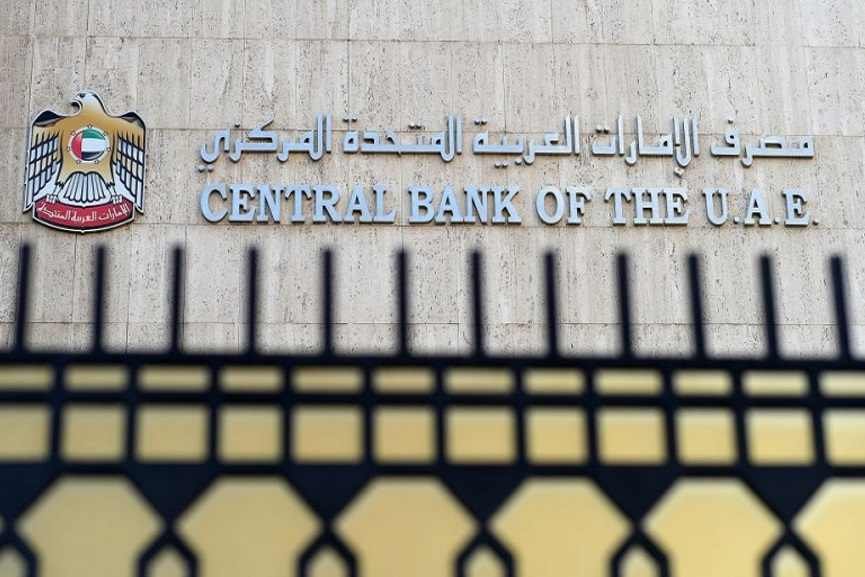
In an assertive and transparent move, the Central Bank of the UAE CBUAE has imposed a financial sanction of AED 2 million (approximately USD 545,000) on a UAE‑licensed exchange house. The penalty came after a detailed compliance examination uncovered material gaps in the institution’s anti-money‑laundering (AML) and counter‑financing of terrorism (CFT) controls.
This decisive action emphasizes a fundamental message: no institution, regardless of size, is exempt from upholding the UAE’s high standards of financial probity and transparency.
Understanding the Legal Basis
The sanction was levied under Article 137 of Decretal Federal Law No. 14 of 2018, covering the Central Bank and the organization of financial institutions and activities in the UAE, along with subsequent AML/CFT amendments. This legal provision empowers the CBUAE to hold financial entities accountable and ensure their frameworks are fortified against illicit financial activities.

What Triggered the Sanction?
While the name of the exchange house remains undisclosed, the compliance review pinpointed several critical issues:
- Substandard customer due diligence
- Ineffective internal monitoring and data retention
- Insufficient staff training on AML/CFT obligations
- Failure to report suspicious transactions properly
These were not minor oversights—they exposed vulnerabilities in cross-border remittances and fund transfers, potentially enabling financial crimes. Given the key role exchange houses play in the UAE’s financial geography, such gaps have significant implications.

Spotlight on AML/CFT Responsibility
CBUAE’s supervisory framework is explicit: exchange houses must maintain robust internal controls, diligent record keeping, and active transaction monitoring. Any complacency in these areas undermines public confidence and international partnerships.
By issuing this sanction based on an on-site or desk inspection, the CBUAE demonstrated that enforcement is not hypothetical—it’s operational and ongoing.
A Pattern of Enforcement
This action aligns with the CBUAE’s broader regulatory posture. Earlier this year, a number of penalties—ranging from tens to hundreds of millions of dirhams—were imposed on other financial services providers for AML/CFT shortcomings. Firms targeted previously included exchange houses and bank branches that were lax in conducting due diligence, monitoring high-risk clients, or reporting suspicious activities.
This strengthened enforcement wave supports the UAE’s Financial Crime Strategy 2024–2027, and reflects a commitment to the highest global standards, including alignment with FATF recommendations.
Positive Impact: Rebuilding Trust
Reinforced Due-Diligence Focus
Industry-wide, licensed entities are realigning with CBUAE practices: updating policies, refining risk assessments, and strengthening record-keeping.
Customer Assurance
Financial service users, including expatriates and businesses, can better trust that licensed exchange houses undergo rigorous regulatory scrutiny.
Strengthened Global Reputation
By actively enforcing regulations—even on smaller players—the UAE signals its integrity to international partners, correspondents, and rating agencies.
Clear Deterrence
This sanction sends a potent message: non-compliance carries real financial and reputational risk, discouraging negligence.
Exchange Houses: A Path Forward
Compliance Overhaul Is Essential
Exchange houses should intensify due diligence, improve internal controls, and adopt enhanced reporting mechanisms.
Staff Empowerment
Continuous training and periodic assessments will help employees stay alert to AML/CFT requirements.
Tech Enhancement
Incorporate digital transaction monitoring systems and possibly AI-driven alerts to surface unusual behavior.
Independent Audits
To meet standards, firms can opt for external compliance validation and peer benchmarking.
Governance Backing
Institutionalizing compliance starts at the board level—governance structures must support, not circumvent, controls.
Aligning with National Strategy
This sanction complements the UAE’s AML/CFT Action Plan 2024–2027, which focuses on legislative strengthening, regulation, training, and global alignment. It also underpins UAE’s FATF mutual evaluation process, ensuring regulatory posture remains internationally respected.
Industry Response & Outlook
Even with limited public visibility, the sanction has ignited internal reviews across the sector. Licensed firms are proactively auditing their systems and increasing attention on staff and transactional integrity.
Sector experts applaud the CBUAE’s proactive stance—viewing it as a step that preserves both regulatory strength and operational freedom.
Human Impact: More Than Just Numbers
Exchange houses matter to people: immigrant workers depend on them to support families, and small businesses rely on smooth international payments. Compliance is not just regulatory—it’s personal. Secure, accountable systems help ensure that money reaches the intended recipients, fostering community well-being.
Expanding the Lens: Regional Leadership Model
The UAE’s assertive regulatory posture serves as a beacon for the broader Middle East. Its peer jurisdictions—Bahrain, Saudi Arabia, Qatar—are observing closely. A fortified regulatory environment in the UAE contributes to regional economic stability and showcases best-practice leadership.
Deeper Remediation: Tools and Tactics
Advanced Data Analytics
Sophisticated tools can spot anomalies in real time—vital for preempting illicit flows.
Tiered Risk Assessments
Exchange houses should categorize clients and transactions by risk, deploying enhanced scrutiny as needed.
Mastering SAR Protocols
Refine internal processes for suspicious activity approval and reporting that align with CBUAE expectations.
Continuous Monitoring
Adopt dynamic compliance strategies, with self-testing and periodic system refresh for evolving risks.

The Bigger Financial Picture
UAE’s standing as a global financial center depends on consistent regulatory enforcement. This sanction reflects public stewardship without overregulation. By bolstering trust now, the UAE positions itself to attract long-term investment and deepen international relationships.
What’s Next for the Industry
- Market-wide compliance diagnostics
- Investment in monitoring technology
- Proactive stakeholder training
- Regulatory collaboration
- Institutionalizing compliance culture
The CBUAE is expected to continue assessments—perhaps expanding this exercise to broader financial services sectors.
Final Thoughts
The $545,000 sanction may seem modest compared to larger fines earlier this year—but its symbolic value is immense. It reinforces that compliance is continuous, inclusive, and ultimately human-centered. In safeguarding trust, protecting remittances, and supporting livelihoods, this intervention underscores the CBUAE’s dual mission: to protect the financial ecosystem—and the people who depend on it.
Do follow UAE Stories on Instagram
Read More: What I Learned About Patience By Living In Dubai