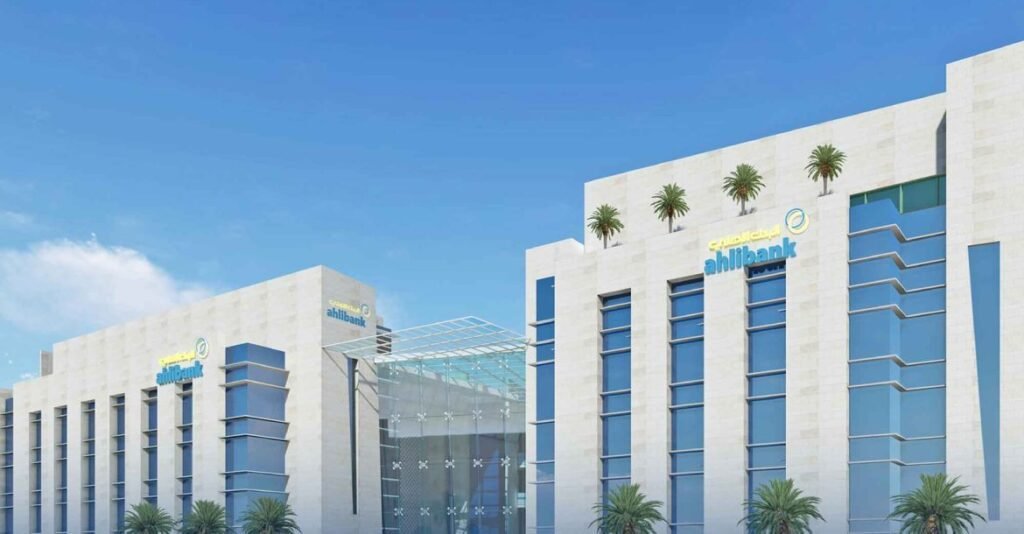
A Strategic Pause, Not a Step Back
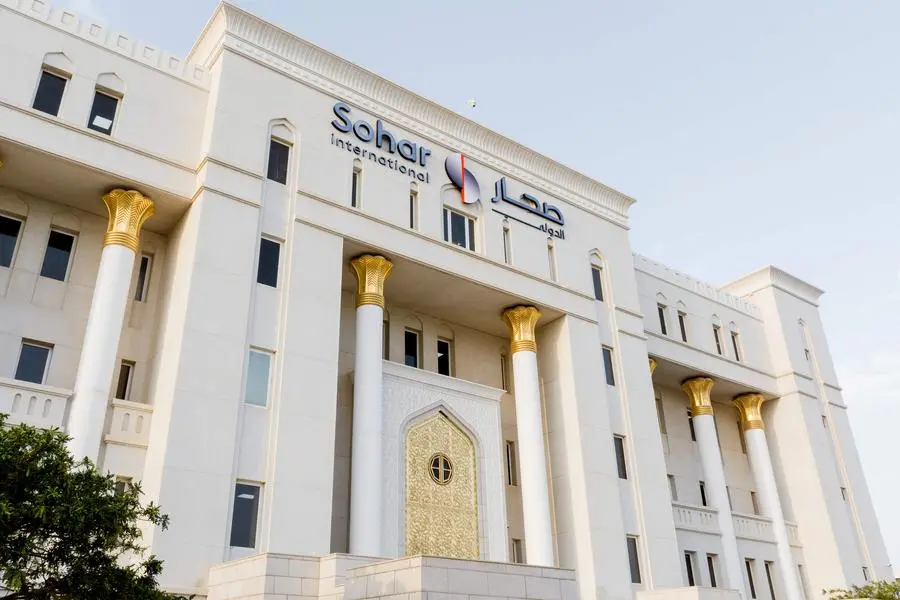
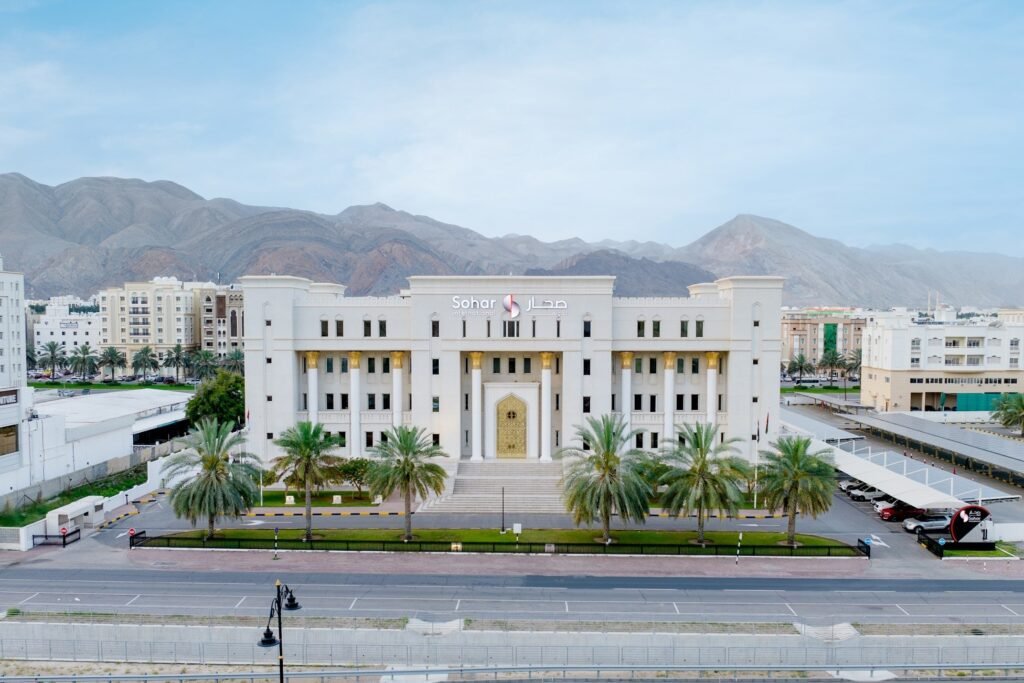
Oman’s banking landscape witnessed a surprising development as Sohar International and Ahli Bank announced a temporary pause in their much-anticipated merger discussions. The decision, attributed to regulatory delays, is not a cancellation—but rather, a deliberate slowdown in pace to ensure all frameworks are firmly in place before unifying the two banking giants.
The move is being seen not as a sign of trouble, but as a sign of caution, strategy, and compliance-minded leadership. In the world of high-stakes banking mergers, timing and precision often matter more than speed.
Origins of the Deal
Sohar International had earlier proposed to merge with Ahli Bank with an ambitious vision: to create a banking powerhouse in Oman with a robust capital base, expanded service portfolio, and an unmatched regional presence.

The merger was poised to be a landmark deal in Oman’s financial sector, aimed at combining the strengths of two well-established institutions. The strategy was clear: scale up, streamline operations, and position the new entity as a dominant force not just in Oman, but across the wider GCC banking corridor.
Initial signals from both boards were encouraging. Discussions had progressed positively. Valuations, timelines, and integration strategies were beginning to take shape.

The Announcement: A Temporary Hold
Despite the early momentum, the banks jointly announced that ongoing regulatory procedures had not yet been completed, prompting a halt in active merger talks for now. In the fast-changing landscape of Middle Eastern banking, such delays are not uncommon—but they carry weight.
Still, the tone of the announcement was measured and optimistic. The message was clear: this is not a cancellation, just a rescheduling. Both parties reaffirmed their commitment to transparency, cooperation, and readiness to resume discussions once all required approvals are secured.
Why Regulatory Delays Matter
Mergers in the financial sector are unlike any other corporate deals. They impact millions of depositors, institutional clients, shareholders, and public trust. Hence, they attract intense scrutiny from central banks, financial regulators, and international oversight bodies.
In this case, the delay points to a few possibilities:
- Thorough due diligence requirements that may take longer than anticipated
- Alignment with cross-border compliance rules, especially if international exposure is involved
- Integration concerns related to systems, capital ratios, customer data security, and operational risks
Rather than sidestepping these issues, both Sohar and Ahli are embracing the challenge—treating the pause as an opportunity to deepen preparation.
The Bigger Picture: A Sector in Transformation
The postponement comes at a time when Oman’s banking industry is in the midst of a quiet revolution. Institutions are embracing digitization, regulatory shifts, ESG compliance, and post-pandemic customer behavior changes.
Several banks in the region are either exploring partnerships or consolidating to boost efficiencies, preserve capital, and scale sustainably. This broader context makes the Sohar–Ahli merger one of strategic national significance.
It also signals that banking in Oman is maturing, transitioning from opportunistic growth to structurally sound consolidation—a healthy sign for the economy.
Strategic Advantages of the Pause
Rather than seeing this delay as a weakness, some analysts and investors view it as a tactical advantage:
- Stronger integration planning
A pause allows both sides to revisit and refine their internal processes—especially IT integration, brand architecture, leadership structure, and compliance alignment. - Stakeholder management
Employees, shareholders, and regulators all get more time to understand the implications, easing resistance and building consensus. - Risk mitigation
Any red flags, whether operational, financial, or reputational, can be managed proactively rather than reactively. - Alternative pathways
The delay could even open doors to explore complementary strategic initiatives—whether fresh funding, digital upgrades, or regional partnerships.
In short, this could be a pause for precision, not hesitation.
What Does This Mean for Customers?
While corporate headlines often spark speculation, everyday customers of both banks are unlikely to experience any disruption. Services will continue as usual, branches remain open, and digital platforms are operational.
If and when the merger resumes and eventually completes, customers may benefit from:
- Access to a larger branch and ATM network
- Enhanced digital services due to pooled technology investments
- More diverse product offerings, including wealth management and trade finance
- Greater financial stability due to a stronger combined capital base
In that sense, this delay may be paving the way for a more seamless experience down the line.
Shareholder Sentiment and Market Implications
Interestingly, despite the pause, investor sentiment remains relatively steady. The fact that the delay was officially communicated and transparently explained helped stabilize expectations.
Moreover, the strategic clarity offered by both boards—the clear intent to proceed once approvals are secured—offers a degree of reassurance. Long-term investors are still bullish on the synergistic potential of the merger.
The market appears to understand that quality takes time—especially when it comes to a transaction of this scale and significance.
What’s Next?
Over the coming weeks and months, stakeholders will be watching for several developments:
- Updates on regulatory approvals: Any indication that the bottlenecks are being addressed
- Renewed timelines: Clarity on when talks might resume and conclude
- Capital readiness: Whether Ahli Bank proceeds with its anticipated capital raise
- Market positioning: How both banks continue to compete or collaborate in the meantime
For now, the message from the banks is that they remain open, aligned, and optimistic.
Future Outlook: A Giant in the Making?
When it finally happens, the Sohar–Ahli Bank merger could give rise to an institution with:
- Over RO 11 billion in total assets
- A diverse portfolio across corporate, retail, and investment banking
- Stronger capital ratios and liquidity coverage
- A platform to expand regionally, potentially even across Asia and Africa
The synergies are significant. And if the merger is executed with the same care that’s being shown now, it could reshape Oman’s banking industry for decades to come.
Final Thoughts
This isn’t a merger fizzling out—it’s a power move that’s taking its time.
By slowing down, both Sohar International and Ahli Bank are demonstrating not only respect for regulation, but also a deeper vision: to build something sustainable, scalable, and strategically smart.
In the high-stakes world of finance, it’s not about how fast you go—it’s about how well you finish. And Oman’s two banking leaders appear committed to finishing strong.
Do follow UAE Stories on Instagram
Read More: Fakeeh Care Secures $250M Facility from Alinma Bank