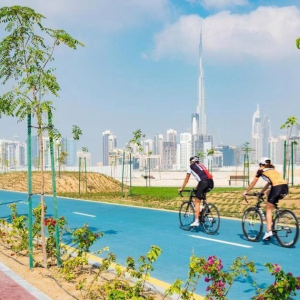
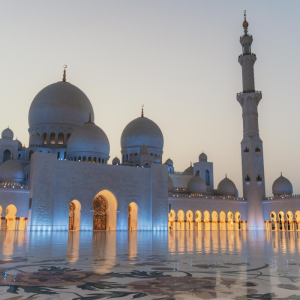
As the UAE marks the summer solstice on June, 2025, the nation officially enters the hottest phase of its annual weather cycle. But what does this mean for residents and visitors alike — and how long will the intense heat linger? Here’s your complete guide to the season ahead.
The Official Timeline: June to September
Astronomers and the Emirates Astronomy Society confirm that the astronomical hot season — defined by the period between the summer solstice and the autumnal equinox — runs this year from June 21 to September 23. During this timeframe, the UAE experiences its longest daylight hours, with around 13 hours and 43 minutes of sunlight at the solstice peak.
But the sweltering heat isn’t confined to these official dates.

Prolonged Heat: From April Through October
Meteorological patterns show that the UAE’s high-temperature period typically begins much earlier and continues well after the astronomical cut-off.
By late April, temperatures often start to climb past 40 °C, and records show that the scorching weather stretches deep into early October.

Historical data highlights that the region’s climate summer — periods of consistently extreme heat — spans from late April until the first week of October, lasting approximately 5½ months.
2025’s Records Confirm the Trend
This year’s May shattered records, becoming the hottest May on record as temperatures surged between 50–51 °C in areas like Sweihan near Al Ain.
June began with an unexpected cool snap between June 4 and 8, bringing brief showers to some parts of the country. However, the temperatures quickly rebounded to their familiar, formidable heights.
Heat Index and Humidity: Coastal vs Inland
While desert interiors bask under relentless sunshine, coastal cities like Dubai and Abu Dhabi face an added challenge: humidity. At the peak of the season in July and August, humidity levels frequently drive the “feels-like” temperature beyond 60 °C.
Inland deserts may record even higher actual temperatures — occasionally over 50 °C — though the lower humidity makes it marginally less oppressive than coastal humidity zones.

How It Affects Daily Life
Midday Work Ban: Safeguarding Outdoor Laborers
To protect outdoor workers during the hottest months, the UAE enforces a midday break ban from June 15 to September 15. This regulation prohibits outdoor labor between 12:30 pm and 3:00 pm, unless for essential services, safeguarding health and well-being.
School Holidays and Family Activities
School calendars are closely aligned with this heatwave. Most educational institutions close around June 27 and resume by late August or early September. Many families use this break to travel abroad or enjoy indoor entertainment like malls, cinemas, and indoor amusement parks.
Lifestyle Adjustments
From late April through October, daily routines shift dramatically:
- Outdoor activities are planned during the early morning or after sundown.
- Staying hydrated becomes a top priority.
- Many opt for vacations in cooler destinations or head to the Hajar Mountains and northern emirates for a temporary escape.
Cloud Seeding and Weather Surprises
The UAE actively employs cloud seeding projects during these months, aiming to enhance rainfall and occasionally provide brief relief from the heat. Though these artificial showers offer temporary cool spells, the overall harsh conditions typically persist.
Climate Change and Rising Temperatures
Recent studies from the National Centre of Meteorology indicate the country has warmed by approximately 2–3 °C over the past few decades. As a result, the hot season is gradually extending, and extreme events like heatwaves and dust storms are becoming more frequent.
Key Takeaways: Duration of the Heat
| Season Type | Date Range | Characteristics |
|---|---|---|
| Astronomical Season | June 21 – September 23 | Based on sun positioning |
| Thermal/Climate Period | Late April – Early October | Period of sustained high temperatures |
While the astronomical season runs for a precise three months, the UAE’s practical hot period lasts up to 5½ months each year — explaining why residents diligently prepare for months of intense weather.
Smart Tips to Beat the Heat
Plan Wisely
Schedule outdoor activities before 9 am or after 6 pm to avoid the day’s most intense heat. Indoor attractions — malls, museums, and aquariums — offer excellent alternatives during midday hours.
Stay Hydrated and Dress Right
Carry a refillable water bottle wherever you go. Opt for lightweight, breathable clothing that efficiently wicks away moisture.
Shield Yourself From the Sun
Use a broad-spectrum SPF 30+ sunscreen daily, even on overcast days. Wear sunglasses, wide-brimmed hats, and carry portable shade like an umbrella for added protection.
Adapt Work and School Plans
Construction and industrial sectors adjust schedules around the midday work ban. Families plan vacations and activities aligned with school holidays.
Stay Alert with Weather Updates
Keep an eye on forecasts from the National Centre of Meteorology for alerts on heatwaves, dust storms, and unexpected rain events.

Final Thoughts: A Season to Respect and Adapt To
The 2025 heat season is shaping up to be one of the longest and most challenging on record. With official astronomical dates running from June to September, but real-world heat stretching from late April into early October, the UAE faces up to 5½ months of high temperatures and intense humidity.
Historical extremes surpassing 50 °C, combined with soaring humidity levels and climate change trends, emphasize the importance of preparedness and adaptability.
By embracing hydration habits, early or evening outdoor schedules, protective sun care, and respecting midday work rules, residents and visitors can confidently navigate one of the world’s most extreme hot seasons.
Do follow UAE Stories on Instagram
Air India Smartly Adjusts Mangaluru–Dubai Flights Amid Airspace Challenges