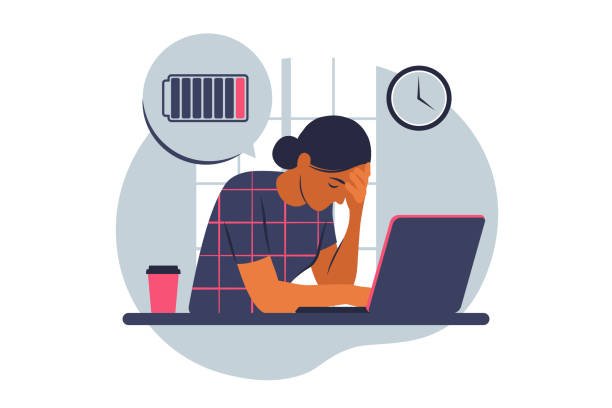
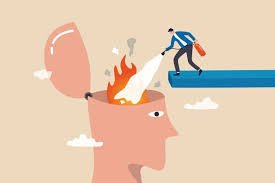
It’s a paradox: you’re mentally exhausted, yet you feel like you can’t stop. Your inner drive keeps pushing you, even when your mind is spent. If this resonates, you’re not alone. Many high-achievers and caregivers experience the guilt-fueled push to keep going. But without pause, exhaustion becomes chronic stress—and that’s a recipe for breakdown. This guide humanizes your struggle and offers hopeful, practical steps to not just survive—but thrive.
Recognize and Honor Your Warning Signs
You don’t have to wait for collapse to act. Common signs:
- Mental fog, forgetfulness, “brain fog”
- Heightened irritability or impatience
- Trouble sleeping… but still pushing ahead
- Detachment or lack of focus
Mentally exhausted people often miss these signals—because they’re too busy ignoring them. Acknowledge what you’re feeling as valid and human.

Reframe Your Inner Narrative: Permission to Pause
You might feel you should push through—but what if pausing is progress? Reframe rest as a strategy, not a setback. It’s radical self‑care: showing up later, stronger. When you reframe, rest becomes fuel, not failure.
Set Bold but Gentle Boundaries
Saying “no” isn’t selfish—it’s essential. Boundaries protect your energy. Consider:

- Blocking “do not disturb” time in your calendar.
- Delegating, even small tasks.
- One evening per week: no work, no pressure.
Boundaries are your energy currency. Spend wisely, without guilt.
Micro Self‑Care: Small Doses, Big Impact
When energy is low, try bite-sized habits:
| Habit | Effort | Impact |
|---|---|---|
| 5‑minute breathing or guided imagery | 🟢 Low | 🟡 Medium |
| A walk around the block | 🟢 Low | 🟡 High |
| One song that grounds you | 🟢 Low | 🟡 Medium |
| A meaningful text to a friend | 🟢 Low | 🟡 High |
These little resets work especially well when full-scale rest feels impossible.
Digital Detox & Media Mindfulness
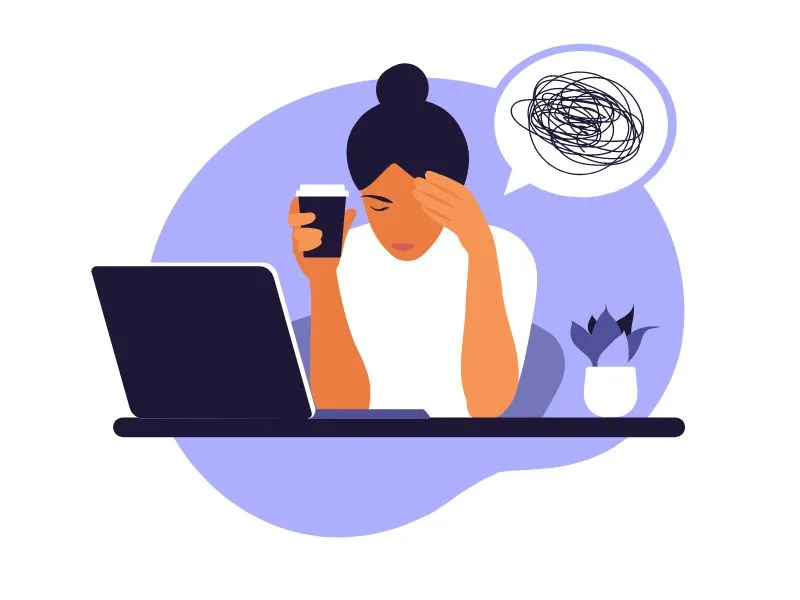
Constant news and social media feed anxiety cycles. Try:
- 30‑minute media “off” periods daily.
- Neutral content only—no doomscrolling.
- Curate a feed that uplifts, educates, or reconnects.
You’ll reclaim mental space—and reduce cognitive fatigue.
Don’t Go It Alone: Tap Support Systems
Isolation accelerates burnout. Instead:
- Tell a trusted friend or peer how you feel.
- Join a self‑help or peer group (virtual or in real life).
- Seek professional therapy—even 3–5 sessions can help realign perspective.
Community reminds you: you’re allowed to rest, you’re understood, you matter.
Cultivate Compassion: Treat Yourself as a Friend
Self‑compassion is more than a buzzword—it’s evidence‑backed. Instead of pushing, say:
“I’m tired. That’s okay—what do I need right now?”
Research shows this builds resilience, lowers stress, and restores clarity.
Reconnect with Meaning & Small Joys
Exhaustion often signals disconnection—from purpose, creativity, or joy. Try:
- One small joy per day: journaling, a hobby, a favorite meal.
- A one-minute reflection: “What made me smile today?”
- Weekly gratitude notes—sent via text, voice memo, or paper.
These reconnections recharge emotional reserves and rebuild motivation.
Build a Daily “Energy Recovery Ritual”
Design a 10–15 minute daily ritual that fits your rhythm. Sample routine:
- Protect (pause work)
- Breathe (deep breaths or guided imagery)
- Move (stretch/walk)
- Connect (send a check‑in text)
- Reflect (one positive moment)
Rituals reinforce that rest is part of your success, not an interruption.
Plan for Longer Recovery
Mini‑breaks stead your ship—but deeper resets matter too. Think:
- A full day off—no email, no work.
- A weekend staycation or nature retreat.
- A weeklong sabbatical if possible.
Plan it like a vital business expense—it is—for your most precious resource: your mind.
When to Seek Professional Help
If exhaustion brings you to:
- Overwhelming hopelessness
- Persistent sleep issues despite rest
- Complete disconnection from activities you care about
- Declining daily function
… reach out to a therapist, coach, or healthcare provider. It’s not quitting—it’s self‑preservation.
A Recovery Story: Real People, Real Change
Meet “Maya,” a project lead who:
- Blocked 30 minutes per day for self‑care
- Stopped checking emails after 8 pm
- Rejoined a peer support group
- Practiced gratitude in a daily journal
In two weeks, her mental clarity returned, creativity reignited, and she felt more effective than before the burnout even began.

Conclusion & Call to Action
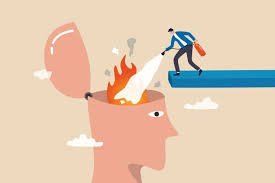
Mental exhaustion isn’t a weakness—it’s a signal. Your best self doesn’t come from pushing harder—it comes from pausing smarter. Choose one step above. Choose a micro‑ritual. Schedule a break. Send that text. Talk to a friend. You have the power to reclaim your energy and your life.
Do follow UAE Stories on Instagram.
Transform Every “No” Into Massive Confidence and Personal Growth