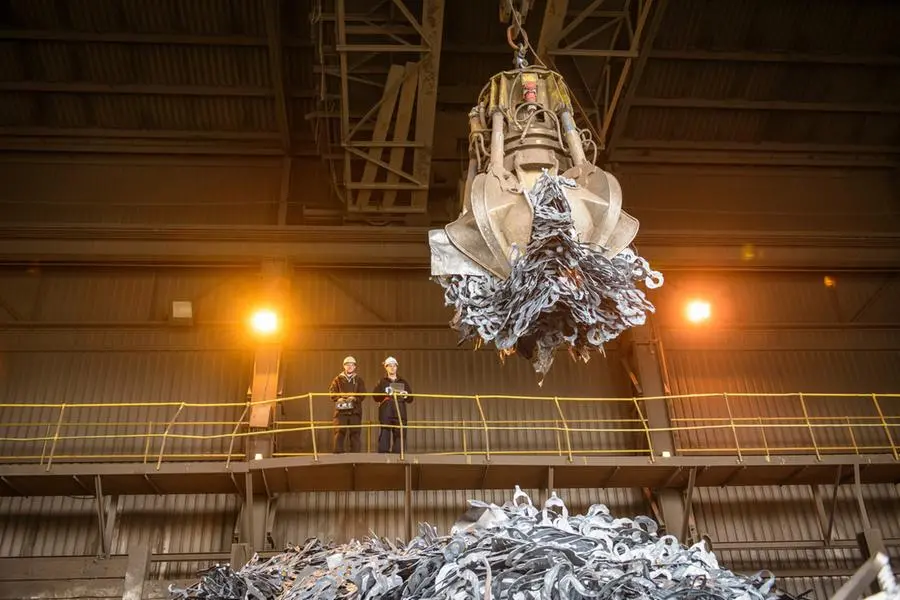
Kuwait steel recycling plant operations are expected to begin in 2025 as the country moves forward with eco-friendly industrial projects. Metal & Recycling Company (MRC), one of Kuwait’s leading environmental and waste management firms, has announced that its state-of-the-art steel recycling plant will be fully operational by the first quarter of next year.
This project aligns with Kuwait’s national goal to boost sustainability, reduce industrial waste, and encourage the circular economy across the Gulf region. The plant is expected to be one of the largest in the country focused on processing, recycling, and reusing ferrous scrap.
A major step in Kuwait’s recycling journey
The steel recycling facility has been under development for several years. MRC confirmed that the plant is now in the final stages of construction and testing. The company plans to complete all pre-operational procedures by the end of 2024. Once operational, the plant will recycle large volumes of steel scrap collected from various industries across Kuwait.

The goal is to reduce reliance on raw materials by giving discarded steel a new life. This not only helps the environment but also supports local industries by offering a cheaper, cleaner alternative to imported metal.
Boosting local industries and reducing imports
The new Kuwait steel recycling plant is expected to significantly contribute to the domestic economy. According to MRC, the facility will process thousands of tonnes of scrap metal annually. This metal will be converted into high-quality raw material suitable for construction, automotive, and manufacturing sectors.

Kuwaiti industries that currently import steel or steel-based raw materials will benefit from the availability of locally processed metal. This will help reduce production costs and improve efficiency, while also strengthening Kuwait’s industrial independence.
Supporting Kuwait Vision 2035 with green goals
Kuwait Vision 2035, also known as “New Kuwait”, includes sustainability and environmental protection as core pillars. The steel recycling plant directly supports these goals by reducing the carbon footprint associated with steel production and importation.
Traditional steelmaking processes emit large amounts of greenhouse gases. However, recycling steel uses up to 74% less energy and produces significantly fewer emissions. The launch of this plant marks Kuwait’s serious effort to become more environmentally responsible.
MRC officials stated that the plant will use advanced recycling technologies that meet international environmental and safety standards.
Advanced technology to power eco-friendly operations
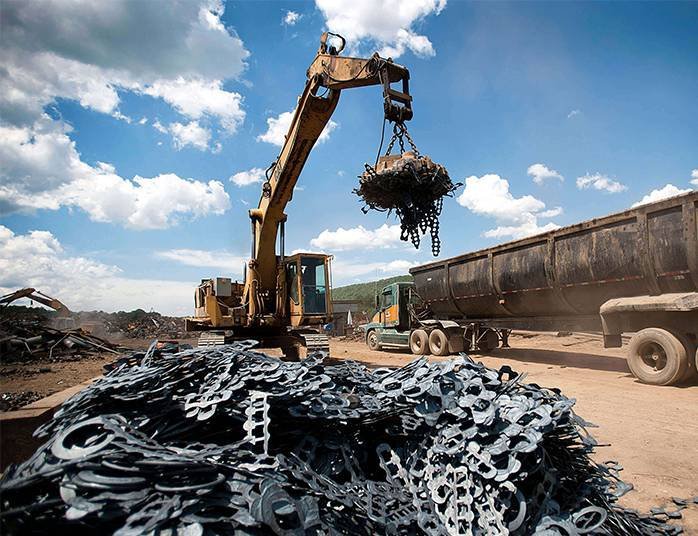
The MRC steel recycling plant will be equipped with cutting-edge technology for sorting, shredding, and processing scrap metal. These include magnetic separation systems, automated conveyors, and energy-efficient smelting units.
Additionally, the facility will implement advanced dust and emissions control systems. MRC’s aim is to run a clean, sustainable operation that minimizes its environmental impact while maximizing output and resource recovery.
The company also revealed that it will train its workforce on new processes and safety protocols. These steps are essential to ensure high-quality operations in line with global best practices.
Creating job opportunities and skills development
Apart from its environmental benefits, the Kuwait steel recycling plant will also create economic opportunities. MRC estimates that dozens of direct and indirect jobs will be generated during the plant’s operational phase.
These roles include plant technicians, machine operators, logistics managers, and environmental compliance officers. The company has pledged to focus on hiring and training local talent, especially in the field of industrial recycling and waste management.
The development of local expertise in recycling technology is expected to contribute to long-term growth in Kuwait’s green sector.
A regional leader in circular economy practices
With this steel recycling plant, Kuwait aims to position itself as a regional leader in circular economy initiatives. Countries across the Gulf region are investing in sustainable infrastructure and waste-to-resource strategies. MRC’s project sets a benchmark for future investments in the recycling sector.
By adopting circular economy principles—where waste is minimized, resources are reused, and materials are recycled—Kuwait is reducing pressure on landfills and natural ecosystems.
Experts say the successful operation of this plant could encourage similar projects in the UAE, Saudi Arabia, and other Gulf states.
Government support and regulatory backing
MRC has worked closely with Kuwait’s Public Authority for Industry and the Environment Public Authority to align the plant’s goals with national environmental policies.
These agencies have provided guidance on construction permits, environmental impact assessments, and operational licenses. They have also facilitated technical inspections and compliance checks to ensure the plant meets legal and environmental standards before its launch in 2025.
Government backing has played a key role in expediting the project timeline and providing institutional confidence to investors.
Challenges and future expansion
While the project has made strong progress, MRC also faced several challenges during development. These included rising construction costs, supply chain delays due to global disruptions, and logistical hurdles related to importing equipment.
Despite these issues, MRC is optimistic about the plant’s long-term potential. The company is already exploring plans for future expansion. If demand continues to rise, the plant may be scaled to handle more types of metal waste beyond just steel, including aluminum and copper.
Such growth would further strengthen Kuwait’s recycling infrastructure and diversify its industrial base.
Final thoughts: A green milestone for Kuwait
The launch of Kuwait’s steel recycling plant in 2025 will be a major milestone in the country’s environmental and economic journey. With sustainability becoming a global priority, this facility puts Kuwait on the right path toward cleaner industrial practices and resource conservation.
MRC’s project is not just about recycling metal—it’s about building a future where environmental responsibility, economic growth, and social progress go hand in hand.
As Kuwait continues to push forward with its Vision 2035 goals, projects like this prove that a greener future is both possible and profitable.
Do follow UAE Stories on Instagram
Read More: Insurers Investment in Oman Drops to $1.75 Billion in 2023