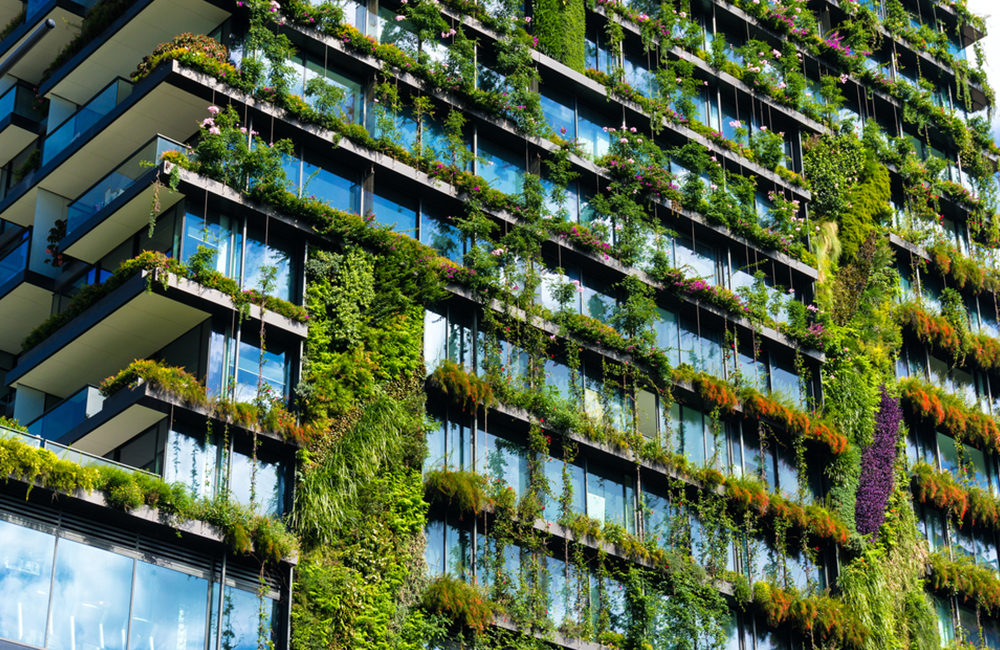
India is taking a significant leap forward in its journey toward sustainable urban development by revising its green building codes for new constructions. These changes are designed to enhance energy efficiency, minimize environmental impact, and promote the use of eco-friendly materials and practices in both residential and commercial real estate development. With climate change and rapid urbanization posing pressing challenges, these updated codes serve as a timely intervention to align the construction industry with the country’s sustainability and net-zero goals.
This progressive shift includes the introduction of national-level building codes, state-specific guidelines, and targeted reforms that reflect India’s holistic approach to sustainable development. Not only do these updates address energy usage, but they also cover building orientation, site planning, material selection, and long-term environmental performance.
The National Push: ECSBC and Eco Niwas Samhita
At the forefront of India’s green building code overhaul is the Bureau of Energy Efficiency (BEE), which recently unveiled the Energy Conservation and Sustainable Building Code (ECSBC) 2024. This code targets commercial, institutional, and office buildings with a connected load of 100 kW or more or a contract demand of 120 kVA or greater. It sets forth guidelines aimed at reducing the energy consumption of large buildings and encouraging the use of renewable energy sources.

The ECSBC mandates a combination of passive and active design strategies, such as building envelope optimization, efficient HVAC systems, advanced lighting controls, and water-efficient landscaping. Furthermore, it promotes the use of low-carbon materials and environmentally responsible construction practices.
Complementing this, for the residential sector, India has already implemented the Eco Niwas Samhita (ENS), a dedicated energy conservation code. ENS focuses on enhancing thermal comfort in homes and reducing energy consumption for cooling, particularly in India’s hot and humid regions. The code includes provisions for better insulation, reflective roofing materials, natural ventilation, and energy-efficient appliances.

Together, ECSBC and ENS create a regulatory ecosystem that spans across both commercial and residential buildings, setting the tone for India’s green construction revolution.
State-Level Innovation: Rajasthan’s Model Building Regulations 2025
Recognizing the unique urban challenges and environmental conditions in various regions, several Indian states have also introduced their own green building regulations. Among the leaders is Rajasthan, which has unveiled the Rajasthan Model Building Regulations 2025.
These new regulations incorporate a comprehensive range of mandates aimed at ensuring safer, more organized, and environmentally conscious urban development. One of the standout features is the requirement that green buildings must be constructed on all urban plots exceeding 2,500 square meters. This move aims to make sustainability a norm rather than an exception in high-density developments.
Other key reforms under the Rajasthan model include:
- Prohibition of high-rise construction on plots up to 500 square meters (increased from the previous 250 sqm limit), to prevent over-densification.
- Mandatory provision of essential amenities and infrastructure in integrated township developments, including green areas, group housing zones, and recreational spaces.
- A clause mandating township developers to maintain their projects for at least seven years after sale, ensuring accountability and long-term sustainability.
- Enhanced requirements for fire safety, structural integrity, and disaster resilience in all new constructions.
These reforms not only aim to reduce the environmental footprint of urban expansion but also improve the quality of life for residents by integrating green spaces, water conservation measures, and resilient infrastructure.
Key Features of the Updated Green Building Codes
The core philosophy behind India’s updated green building regulations revolves around four major pillars: energy efficiency, resource conservation, occupant health, and environmental responsibility. The ECSBC and state-specific models outline several measures that developers and construction companies must now adhere to:
- Sustainable Site Planning
Buildings must be designed with careful consideration to the natural topography, solar orientation, wind direction, and proximity to public transportation. This encourages reduced reliance on private vehicles and promotes low-carbon mobility. - Energy Efficiency Standards
The use of energy-efficient appliances, LED lighting, solar panels, and efficient HVAC systems is strongly recommended. Building envelopes must now meet minimum insulation and glazing standards to reduce the load on air conditioning systems. - Water Management and Conservation
Rainwater harvesting systems, water-efficient fixtures, greywater recycling, and sustainable urban drainage systems (SUDS) are now standard requirements, particularly in larger developments. - Use of Sustainable Materials
The codes promote the use of fly ash bricks, low-VOC paints, recycled construction materials, and other green-certified products. Life-cycle assessments are encouraged to ensure materials selected are environmentally viable over time. - Waste Management
Construction and demolition waste must be segregated, reused, or recycled as per waste management rules. The codes also encourage buildings to be designed for adaptability and eventual disassembly to reduce long-term waste. - Indoor Air Quality and Thermal Comfort
Adequate ventilation, use of non-toxic materials, and natural daylighting are prioritized to create healthier indoor environments. Passive cooling techniques and advanced insulation play a key role in maintaining thermal comfort.
Implications for Developers and the Construction Industry
These updated codes are set to have a far-reaching impact on the Indian real estate and construction sectors. While developers may face higher upfront costs due to the integration of green technologies and sustainable materials, these are expected to be offset by lower long-term operational costs, energy savings, and enhanced property values.
Moreover, green-certified buildings have become increasingly desirable among homebuyers and investors, reflecting a growing awareness of environmental impact and energy efficiency. For architects and engineers, the updated codes provide an opportunity to adopt innovative design approaches that balance performance with aesthetics.
Builders and contractors will also need to undergo training and certification programs to ensure they are equipped with the knowledge and skills to implement green construction practices effectively. This demand is likely to give rise to a new ecosystem of sustainability consultants, green auditors, and specialized product manufacturers.
Challenges and the Road Ahead
While the intentions behind these reforms are clear, implementation will be key to their success. In many parts of India, building regulations are enforced inconsistently due to limited local capacity, lack of awareness, or resistance from developers.
To address this, the government must continue to invest in capacity-building programs, public-private partnerships, and technology-driven monitoring tools. Additionally, incentive programs such as tax rebates, fast-track approvals for green-certified projects, and recognition schemes for developers can help encourage widespread adoption.
Public awareness campaigns highlighting the benefits of green buildings—such as lower electricity bills, healthier living environments, and reduced environmental impact—will also play a vital role in changing consumer behavior.
Conclusion: Building a Greener India
India’s updated green building codes reflect a growing understanding that sustainable construction is not merely a choice, but a necessity. With urban populations on the rise, and energy demands projected to grow exponentially, it is critical that the built environment supports climate resilience, energy independence, and ecological well-being.
Through national initiatives like ECSBC and Eco Niwas Samhita, and forward-looking state regulations such as those in Rajasthan, India is laying the foundation for a greener, more sustainable future. If effectively implemented and supported, these measures have the potential to transform the construction landscape of the country—making buildings smarter, cities cleaner, and communities healthier for generations to come.
Do follow Uae stories for more Updates
ADNOC Abu Dhabi Marathon 2024: A New Chapter Through City Landmarks