
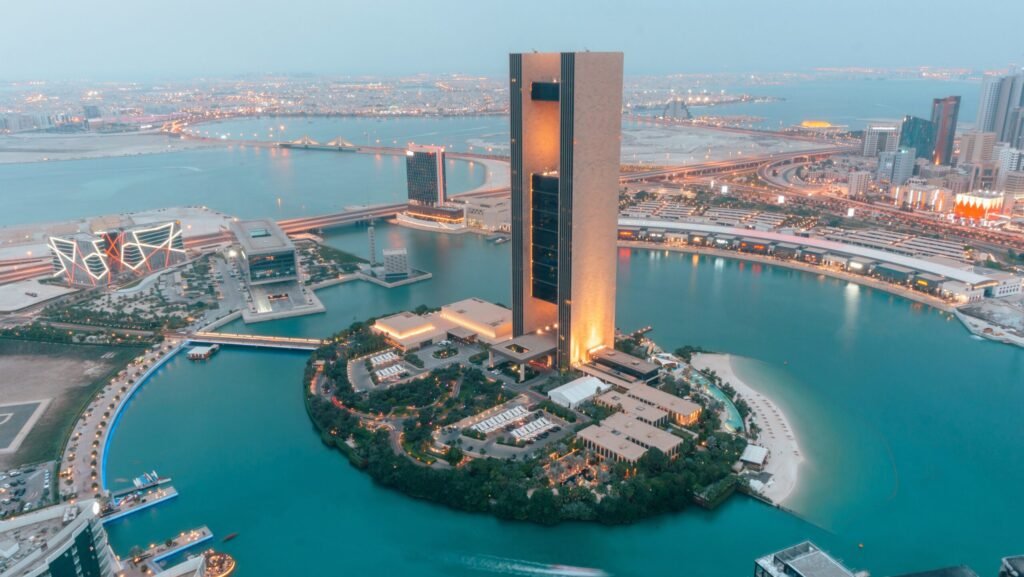
For many years, the Middle East was seen mostly as a destination for luxury shopping, ancient history, and religious landmarks. But recently, a quiet yet powerful change has been taking shape. Across countries like the United Arab Emirates, Saudi Arabia, Jordan, and Oman, a new trend is rising fast: eco-tourism. It’s not just about going green—it’s about transforming how people travel, live, and experience the region.
Eco-tourism, or sustainable travel, is all about exploring natural places while caring for the environment and supporting local communities. And now, the Middle East, once known for oil and wealth, is becoming one of the world’s most exciting regions for eco-friendly travel.
From Deserts to Green Dreams
One of the most impressive examples of this shift is found in the UAE. Once a desert nation known for skyscrapers and shopping malls, it is now investing heavily in nature reserves, mangrove parks, and clean energy travel options. Places like Jubail Mangrove Park in Abu Dhabi allow visitors to walk along wooden paths above clear blue water, surrounded by birds and sea life. It’s peaceful, beautiful, and built to protect the natural habitat.

Saudi Arabia, long closed off to most international tourists, is now opening its doors through its Vision 2030 plan. Part of this national plan includes promoting sustainable travel across regions like AlUla—a stunning desert valley full of ancient rock carvings, historic tombs, and eco-friendly camps that blend into the scenery. Instead of giant resorts, the focus here is on small-scale lodges, guided walks, and local culture.
Jordan has also joined the eco-tourism movement, with places like the Dana Biosphere Reserve offering unforgettable hikes through valleys, forests, and mountains. Guests can stay in solar-powered lodges and enjoy meals made by local farmers, all while learning about native wildlife and the area’s natural history.

Why It Matters Now
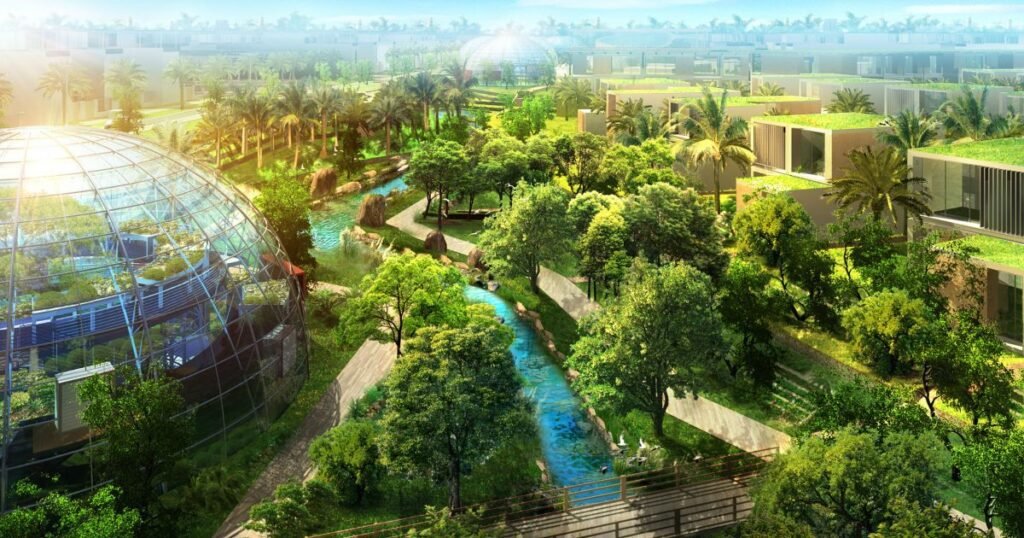
There are many reasons why eco-tourism is growing in the Middle East. Climate change is becoming a bigger concern, especially in desert regions already facing water shortages and rising temperatures. Governments are realizing that the future of tourism must be built around sustainability. Tourists, too, are changing. More travelers now want experiences that are real, ethical, and connected to nature.
Eco-tourism also helps local communities. Instead of big companies taking profits, many eco-lodges, tours, and food services are run by locals. This gives people jobs and protects cultural traditions that could be lost in mass tourism.
Another major reason is the younger generation. Across the region, young people are more aware of environmental issues and want their countries to grow without harming nature. Social media also plays a role. Beautiful photos of green oases in the desert or rare birds flying over wetlands are inspiring people to visit these places with care.
Tech Meets Nature
A unique part of the Middle East’s eco-tourism story is how it blends high-tech innovation with nature. In the UAE, electric buses, solar-powered facilities, and smart visitor tracking are being used to make sure tourism does not damage fragile environments. Even desert safaris are being redesigned to use electric vehicles and follow routes that protect animal habitats.
In Saudi Arabia, projects like NEOM are promising to create entire cities powered by clean energy, with nature preserved around living areas. Although some of these projects are still in development, they show a strong commitment to changing the image of the region from oil-rich to eco-smart.
Challenges on the Way
Even with all this progress, eco-tourism in the Middle East faces some big challenges. First, the region’s hot climate makes it hard to build and maintain green spaces. Water is limited, and some areas are still dealing with waste and pollution. Balancing tourism growth with conservation takes careful planning and strong rules.
Second, awareness is still growing. Not all tourists know how to travel sustainably, and not all businesses are following eco-friendly practices. Some resorts use the term “eco” as a marketing trick without actually reducing harm to the environment.
Also, political issues in some parts of the region can make it harder to build a steady tourism industry. But despite these problems, the overall trend is positive and moving forward.
What the Future Looks Like
The next few years will likely see more eco-lodges, nature parks, and green travel routes popping up across the Middle East. Governments are working together with environmental groups and tourism boards to make sure these efforts are real and lasting. More training is being given to guides, hotel staff, and travel agents so they understand how to keep tourism green and responsible.
Travelers can also expect to see more eco-certifications in the region. These are labels that tell you whether a place truly follows sustainable practices. They help visitors choose the right places to stay and encourage businesses to improve.
Young entrepreneurs in the Middle East are launching start-ups focused on eco-travel apps, carbon-neutral tours, and even digital maps that show green attractions. This mix of tradition and tech is giving the region a unique voice in the global eco-tourism movement.
The Takeaway
The Middle East may not have been the first place that came to mind when thinking about eco-tourism, but that’s quickly changing. From the green mangroves of the UAE to the ancient valleys of Jordan and the bold future cities of Saudi Arabia, the region is showing the world what it means to grow responsibly.
Eco-tourism here isn’t just a trend—it’s a transformation. It offers a way to protect nature, share culture, and build a better future. And for travelers, it offers something even more valuable: the chance to experience the Middle East in a new, honest, and inspiring way.
Also read: New Etihad Museum in Abu Dhabi Brings UAE’s Unification Story to Life