
In the vibrant art scene of the Middle East, a fresh wave of creativity is breathing new life into one of its oldest traditions. Young calligraphers across the UAE and beyond are reimagining Arabic calligraphy, fusing classic forms with modern techniques, digital platforms, and contemporary styles. Their work is not just reviving interest in this beautiful script but also reshaping how a new generation connects with their heritage.
A New Generation, A New Vision
Historically, Arabic calligraphy has been revered for its sacred ties to the Quran and its place in Islamic culture. It has adorned mosques, palaces, and manuscripts for centuries. However, today’s young artists are stepping beyond traditional boundaries. They’re using bold colors, experimental typography, and even integrating graffiti and digital animation into their pieces.
One notable example is a Dubai-based platform nurturing emerging artists through residencies, exhibitions, and workshops. These initiatives encourage young calligraphers to push the limits of the ancient art form while respecting its rich roots. Many artists are finding ways to blend Arabic script with pop culture, technology, and contemporary design, making it accessible to wider, younger audiences.

The Rise of Digital Calligraphy
Digital media has played a massive role in this transformation. Platforms like Instagram and TikTok have become the new galleries for these calligraphers, offering a space where they can showcase their work to global audiences instantly.
Calligraphers are gaining international recognition through their vibrant online presence. Modern calligraphy pieces, often created live at events or through timelapse videos, blend traditional scripts with colorful, energetic patterns. This success highlights how young calligraphers are leveraging digital tools to modernize their art without losing its essence.
Creative hubs like design districts and art communities are also supporting these efforts, hosting exhibitions and initiatives that celebrate this evolving art form. Events such as design weeks regularly feature contemporary calligraphy installations, reflecting the commitment to fostering innovation while honoring tradition.
Blending Street Art and Heritage
Another striking trend is the incorporation of Arabic calligraphy into street art and murals. In cities like Sharjah and Abu Dhabi, public spaces are being transformed by massive calligraphy-inspired artworks that blend urban culture with traditional aesthetics.
Artists have popularized this movement with large-scale murals that weave Arabic poetry and messages of unity into stunning visual narratives. Their work on buildings and walls around the world shows that Arabic calligraphy is not just surviving but thriving in new, exciting forms.
In the UAE, cultural spaces and art warehouses are providing young creatives with the resources and exhibition spaces needed to explore such intersections of culture and contemporary art. By promoting projects that merge calligraphy with urban and multimedia art, they are inspiring more artists to innovate boldly.
Redefining Cultural Identity
For many young calligraphers, the evolution of their craft is deeply tied to questions of identity and belonging. In a rapidly globalizing world, they are using their art to express personal and collective narratives about being Arab, Emirati, or Muslim today.
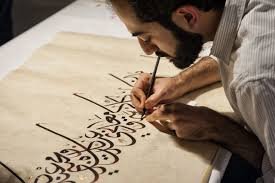
Rather than treating tradition as a fixed concept, these artists see it as a living dialogue between the past and the future. Their calligraphy is often multilingual, mixing Arabic with English, French, or other languages, reflecting the multicultural realities they navigate daily.
This approach resonates strongly with young audiences who are proud of their heritage but also keen to see it evolve in ways that reflect their contemporary experiences.
Teaching the Next Generation
Recognizing the importance of passing on these evolving traditions, many artists and institutions are focusing on education. Workshops, online courses, and community classes are making calligraphy more accessible to young people, both in the UAE and internationally.
Programs at cultural foundations offer young calligraphers a chance to learn both classical techniques and modern innovations. By combining traditional craftsmanship with modern design thinking, they are ensuring that the next generation will not only preserve Arabic calligraphy but continue to reinvent it.
There is also a growing trend of mentorship, where established artists guide younger talents through collaborative projects and residencies, fostering a spirit of community and shared learning.
Looking Forward
As they carve out new spaces for Arabic calligraphy in today’s world, these young artists are ensuring that the script remains a vibrant, evolving part of Arab culture. Whether on a gallery wall, a city mural, a smartphone screen, or a street corner, their work proves that tradition and innovation can coexist beautifully.
Through passion, creativity, and a bold willingness to reimagine the old, young calligraphers are not only keeping Arabic art alive — they are making it pulse with new life.
As more platforms, cultural districts, and art initiatives continue to champion this fusion of old and new, the future of Arabic calligraphy looks not just promising but exhilarating.
Read More: Abu Dhabi Unveils the World’s Tallest Roller Coaster