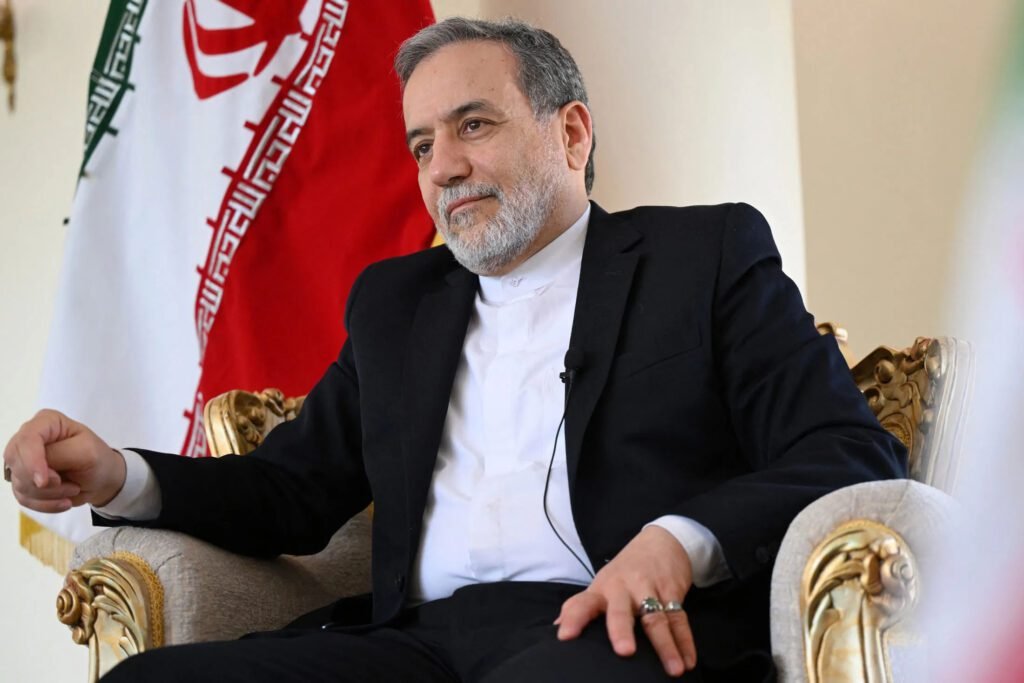
As tensions escalate over Tehran’s nuclear ambitions and regional volatility deepens, one nation quietly steps into the global spotlight—Oman. In a world where loud diplomacy often grabs headlines, Oman continues to prove the power of discretion and neutrality. Once again, this understated Gulf nation has emerged as the central mediator between two longtime adversaries—the United States and Iran—as they engage in a fresh round of talks over the Islamic Republic’s nuclear program.
This meeting, held behind closed doors in Muscat, marks a significant moment. Not only does it signal a potential thaw in one of the world’s most complicated geopolitical rivalries, but it also places Oman squarely in the middle of a high-stakes diplomatic chessboard. As the first official US-Iranian meeting in months, this interaction revives hopes for nuclear de-escalation and underscores Muscat’s time-tested role as a trustworthy bridge between East and West.
Oman’s Strategic Role: A Legacy of Mediation
Oman’s presence in diplomatic corridors is neither new nor coincidental. It is built on a legacy of nonalignment, dialogue, and sovereign independence. In a region often split by ideological and political divides—Sunni vs. Shia, Arab vs. Persian, pro-West vs. anti-West—Oman has walked a careful tightrope, preserving relations with nearly all players.

This neutrality has positioned it as a natural host for sensitive conversations. Oman was pivotal in facilitating the secret backchannel negotiations between the US and Iran that laid the groundwork for the 2015 Joint Comprehensive Plan of Action (JCPOA), better known as the Iran nuclear deal. That agreement, though later abandoned by the US in 2018 under the Trump administration, was hailed as a major diplomatic breakthrough. Many of those initial meetings took place quietly in Muscat.
Oman’s return as a venue for this fresh US-Iran engagement reflects global trust in its ability to handle high-level diplomacy with subtlety and seriousness.

The High-Stakes Agenda
At the heart of this meeting lies a pressing concern: Iran’s accelerating nuclear activities. Since the US withdrawal from the JCPOA, Iran has gradually reduced its compliance with the agreement’s terms, enriching uranium far beyond the limits previously agreed upon. Western powers and the International Atomic Energy Agency (IAEA) have expressed deep concern, warning that Tehran is approaching weapons-grade enrichment levels.
For the Biden administration, resuming dialogue—no matter how indirect—is crucial. With the Middle East in flux due to the Gaza conflict, ongoing hostilities involving proxy militias, and heightened tensions in the Red Sea and Persian Gulf, a nuclear-armed Iran is a scenario Washington is eager to avoid.
Oman’s role in facilitating this first meeting after months of silence could mark the beginning of a new negotiation track, possibly focused on limiting Iran’s nuclear enrichment in exchange for phased sanctions relief, prisoner swaps, or regional de-escalation measures.
A Symbolic Venue and Practical Choice
Why Muscat? The symbolism of choosing Oman is as important as the substance of the talks. Unlike Geneva or Vienna, often used for multilateral negotiations, Oman offers a quieter, more culturally attuned environment. It is geographically close, politically neutral, and logistically secure.
Both the US and Iran see Oman as a non-threatening intermediary—a partner with no hidden agenda. It is a venue that reduces pressure and posturing, allowing diplomats to focus on dialogue without the distraction of public scrutiny or media speculation.
From Tehran’s perspective, Oman has never aligned itself with the aggressive postures of Saudi Arabia or the UAE, nor has it allowed foreign military forces to use its territory to launch operations against Iran. This gives Iran a level of comfort and confidence rarely found in today’s tense diplomatic environment.
Who’s at the Table?
While the details of the participants remain largely confidential, early reports suggest that senior representatives from both Washington and Tehran attended the session, possibly with technical experts in nuclear compliance, sanctions, and regional affairs. Oman’s own diplomats, known for their discretion, likely acted as facilitators and note-keepers rather than direct participants.
This format allows both sides to speak frankly without fear of domestic political backlash. It also opens the door for more frequent and incremental meetings in the future—a critical step if this new track is to evolve into a sustained negotiation process.
Challenges Ahead
Despite the renewed channel, the path forward remains daunting. Iran’s leadership is under immense internal and external pressure. The country faces economic hardship due to sanctions, civil unrest at home, and diplomatic isolation. Yet its leadership continues to demand guarantees from the West—especially the US—that any future deal won’t be torn up by the next administration.
The US, on the other hand, faces its own constraints. The Biden administration is caught between pursuing diplomacy and maintaining a tough stance that appeases domestic critics and regional allies like Israel and Saudi Arabia. The ongoing conflict in Gaza has further complicated the US position in the Middle East.
In this context, Oman’s mediating role becomes not just helpful but essential. The country can serve as a sounding board, pressure valve, and bridge between competing demands. It offers a space where ideas can be floated, tested, and eventually refined into formal agreements.
Regional and Global Repercussions
Should this dialogue progress, the benefits could ripple across the region. De-escalation between the US and Iran could reduce tensions in Iraq, Syria, Lebanon, and Yemen—all arenas where Iranian proxies and US interests collide. It could also help stabilize global oil markets, increase maritime security in the Gulf, and give breathing room to smaller Gulf states striving to maintain balanced relations with both sides.
Moreover, Oman’s growing stature as a diplomatic hub could inspire other neutral nations to step into similar roles, countering the narrative that global diplomacy must always involve major powers or multilateral institutions.
Final Thoughts: The Power of Quiet Diplomacy
In a world filled with dramatic headlines and explosive rhetoric, Oman’s reemergence as a trusted venue for diplomacy is a powerful reminder of the value of quiet statecraft. This small but resolute Gulf country continues to punch above its weight, not through military might or financial influence, but through credibility, neutrality, and trust.
As US and Iranian diplomats resume contact after months of growing hostility, the world watches with cautious optimism. Whether this meeting in Muscat becomes the first step toward a new nuclear agreement or merely a gesture of intent, one thing is clear—Oman’s quiet halls may once again echo with the sound of diplomacy at work.
Do follow Uae stories for more Updates
Why Oman? Understanding the Strategic Choice for US-Iran Talks