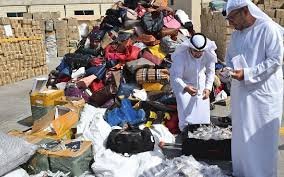
In a significant move to combat illegal trade activities, authorities in Abu Dhabi and Sharjah have launched a joint operation to curb unlicensed and fraudulent trading practices. The crackdown aims to protect consumers, ensure fair market competition, and uphold economic regulations across the emirates.
The intensified monitoring comes after reports of unauthorized trade, counterfeit goods, tax evasion, and smuggling of restricted products surfaced in key market hubs connecting the two cities. Officials have pledged stricter regulations, enhanced inspections, and severe penalties for violators, signaling a zero-tolerance policy toward illicit business operations.
The Scope of Illegal Trading Activities
Authorities have identified multiple areas where illegal trading has flourished, often leading to economic losses, unfair competition, and potential risks to consumers. The primary issues include:

1. Smuggling of Restricted Goods
✅ Authorities have seized shipments of counterfeit electronics, unregistered pharmaceuticals, and unauthorized tobacco products.
✅ Some traders have attempted to bypass customs regulations by underreporting product values or misdeclaring goods.
✅ The smuggling of tax-free or restricted goods between Abu Dhabi and Sharjah has been a growing concern.
2. Counterfeit and Substandard Products
✅ The markets have witnessed an increase in fake luxury items, imitation cosmetics, and low-quality electrical appliances.
✅ Such products pose health and safety risks, particularly in cosmetic and pharmaceutical sectors.
✅ Officials have warned that selling fake products violates UAE’s consumer protection laws and will result in hefty fines and legal actions.

3. Unlicensed Business Operations
✅ Some traders operate without the necessary permits, making them unaccountable for consumer complaints.
✅ Illegal businesses fail to pay government taxes and fees, affecting the overall economy.
✅ Affected industries include automobile spare parts, mobile accessories, and textiles, where unregulated sales have hurt legitimate businesses.
4. Price Manipulation and Fraudulent Transactions
✅ Some merchants inflate prices or sell expired goods, misleading customers.
✅ Fake discounts, false advertising, and manipulated invoices have also been flagged.
✅ Authorities are working with consumer protection agencies to identify and penalize those engaged in fraudulent pricing strategies.
Government Actions & Enforcement Measures
The UAE government has mobilized multiple regulatory bodies to tackle illegal trade, including:
1. Market Raids & Surprise Inspections
✅ Law enforcement teams, supported by economic authorities, conduct surprise visits to major trading hubs.
✅ Warehouses, retail stores, and distribution centers are being closely monitored.
✅ Several illegally operating businesses have been shut down during these raids.
2. Strict Penalties & Legal Consequences
✅ Heavy fines, business closures, and legal action are being enforced against repeat offenders.
✅ Violators face jail time for serious offenses like smuggling and selling counterfeit pharmaceuticals.
✅ Businesses caught violating regulations will lose their trade licenses permanently.
3. Strengthening Consumer Awareness
✅ Authorities are launching public awareness campaigns to educate consumers on spotting fake products.
✅ Encouraging customers to report illegal trade activities through dedicated helplines and online portals.
✅ Highlighting the risks associated with buying unauthorized goods, particularly in sectors like food, medicine, and electronics.
4. Enhanced Border and Customs Control
✅ Strengthening customs checks on inter-emirate trade routes.
✅ Advanced AI-driven tracking systems are being deployed to monitor suspicious shipments.
✅ New smart scanning technologies are improving cargo inspections at checkpoints.
Impact on Businesses and Consumers
1. Positive Effects on Legitimate Businesses
✅ Legal traders welcome the crackdown as it ensures fair competition.
✅ The removal of illegal operators boosts investor confidence in the UAE’s business environment.
✅ Retail and wholesale markets will benefit from better consumer trust.
2. Consumer Benefits
✅ Reduced risk of purchasing fake, unsafe, or poor-quality products.
✅ More transparent pricing and regulated market practices.
✅ Greater consumer rights protection, allowing people to shop with confidence.
3. Challenges for Non-Compliant Businesses
✅ Unregistered businesses will face closure or legal consequences.
✅ Some informal traders may struggle to adapt to the new enforcement measures.
✅ Authorities are encouraging illegal traders to obtain proper licensing rather than shutting down completely.
Future Strategies for Market Regulation
Authorities in Abu Dhabi and Sharjah have emphasized that ongoing inspections and regulatory reforms will continue to ensure market transparency. Future strategies include:
✅ Digitization of trade monitoring to track suspicious business activities.
✅ Expansion of licensing assistance programs to help small businesses transition into legal operations.
✅ Cross-emirate cooperation to enhance intelligence-sharing on illegal trading patterns.
Conclusion
The UAE’s crackdown on illegal trading between Abu Dhabi and Sharjah marks a significant step toward market regulation, consumer protection, and economic stability. With rigorous enforcement, stricter penalties, and enhanced public awareness, authorities are ensuring that the region remains a trusted and fair business hub. Legal businesses, consumers, and regulatory bodies must work together to eliminate unlawful practices, strengthening the UAE’s commitment to ethical and sustainable trade growth.
Do follow Uae stories for more Updates
Inside Mansour bin Zayed’s Mission at the Arab Summit in Egypt