
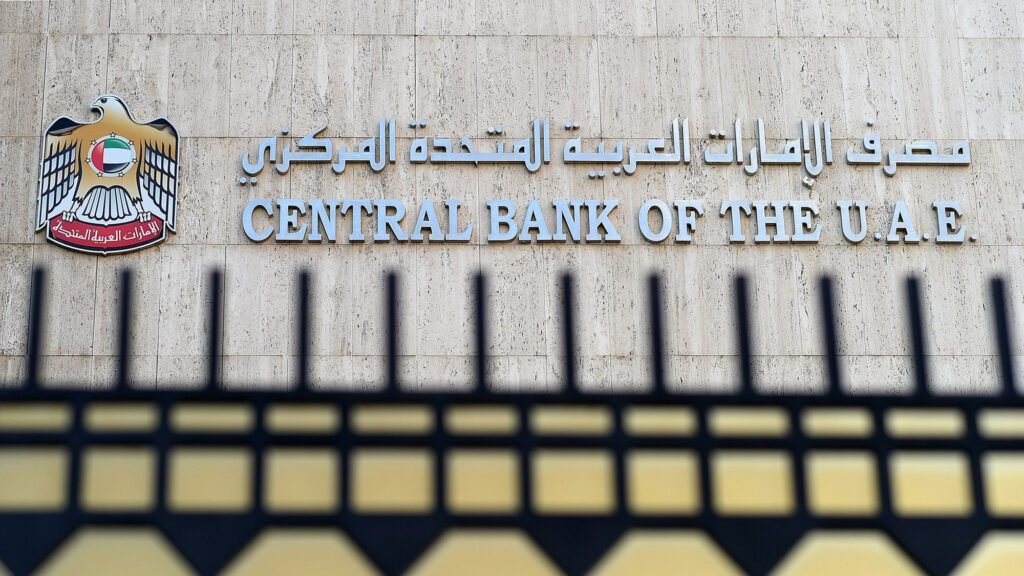
In recent years, the banking sector in the UAE has undergone a rapid transformation. With the rise of digital technologies, evolving consumer demands, and a push for financial inclusion, the country’s banks are embracing innovative solutions that are reshaping the financial landscape. By 2025, the UAE banking sector will likely be a global leader in financial innovation, setting the stage for new banking experiences for consumers and businesses alike.
This article explores the key financial innovations emerging in the UAE’s banking sector, what they mean for the future, and how they are positioning the UAE as a global leader in banking and finance.

1. The Rise of Digital Banking: Moving Toward a Cashless Society
As the world becomes increasingly digital, the UAE is leading the way in embracing digital banking. In 2025, traditional banking services are being replaced by fully digital experiences, and customers no longer need to visit a physical branch to manage their finances. The country’s push for a cashless society is a significant driver behind this transformation.

A number of banks, including Emirates NBD, FAB, and Mashreq Bank, have introduced fully digital platforms and mobile banking apps that offer customers the ability to complete almost every financial transaction remotely. This includes opening accounts, transferring money, paying bills, and even applying for loans—all from a smartphone or computer.
The UAE’s central bank, along with other financial regulators, has been actively supporting this transition by implementing regulations that ensure digital banking operations are secure and reliable. In 2025, we will see more fintech startups and neobanks offering innovative banking solutions, such as instant money transfers, zero-fee services, and AI-powered financial advice.

This digital shift not only caters to the tech-savvy younger population but also brings more convenience to people of all ages. With smart banking solutions, customers can access their accounts 24/7 and make secure transactions on the go.
2. Blockchain Technology and Cryptocurrencies: The Future of Transactions
One of the most groundbreaking financial innovations in the UAE is the use of blockchain technology. Blockchain, the same technology that powers cryptocurrencies like Bitcoin, is increasingly being adopted by banks in the UAE for more secure and transparent transactions.
The UAE government has been very supportive of blockchain and cryptocurrency development, making the country one of the most blockchain-friendly environments in the world. By 2025, the UAE plans to implement blockchain technology in a wide range of sectors, including banking and finance. The Dubai International Financial Centre (DIFC) and the Abu Dhabi Global Market (ADGM) are two key financial hubs that are already encouraging the adoption of blockchain technologies.
Banks in the UAE are looking to use blockchain to streamline cross-border payments, which will allow transactions to be completed faster, cheaper, and with greater transparency. Crypto assets are also gaining traction as an alternative investment option, with some UAE banks offering cryptocurrency trading and custody services.
In the coming years, cryptocurrency adoption is expected to rise further, and blockchain-based smart contracts will become more common, eliminating the need for intermediaries in financial agreements. As blockchain becomes more mainstream, the UAE’s financial sector will experience greater efficiency, security, and cost-effectiveness.
3. Artificial Intelligence and Machine Learning: Revolutionizing Customer Service
The use of artificial intelligence (AI) and machine learning (ML) is quickly gaining ground in the UAE’s banking sector. These technologies are being employed to enhance customer service, improve decision-making, and automate various financial operations.
AI is already being used by several banks in the UAE to provide personalized financial services. Chatbots and virtual assistants are helping customers with their day-to-day banking needs, such as checking balances, transferring funds, and answering queries. AI can also analyze customer data to offer personalized recommendations and financial products tailored to each customer’s specific needs.
For instance, Emirates NBD has integrated AI-driven chatbots into their banking apps, allowing customers to interact with the bank at any time of day. These AI-powered solutions are expected to become even more advanced by 2025, providing real-time financial advice, assisting in investments, and even offering financial literacy tools for customers.
Machine learning algorithms will also enable banks to detect fraudulent activities and identify patterns in financial transactions. This proactive approach to security will help protect both consumers and businesses from financial threats.
4. Open Banking and API Integration: Empowering Consumers and Businesses
Another significant innovation making waves in the UAE banking sector is open banking. Open banking allows third-party financial service providers to securely access a bank’s data, through application programming interfaces (APIs), to offer new and innovative services to customers.
This approach empowers consumers by giving them more control over their financial data. It enables them to compare financial products, access better deals on loans, mortgages, and insurance, and even make payments more efficiently through integrated services.
For businesses, open banking opens up new opportunities for offering more tailored products and services. Small and medium-sized enterprises (SMEs) can benefit from faster and easier access to credit, along with financial tools that improve cash flow management.
By 2025, open banking will be fully integrated into the UAE’s banking sector. This will increase competition, lower costs for consumers, and drive innovation. Financial institutions will collaborate with fintech companies to create seamless and secure financial experiences for customers.
5. Sustainable Finance: Supporting Green Projects and Investments
As sustainability continues to be a key focus globally, the UAE’s banking sector is also embracing sustainable finance initiatives. By 2025, more banks in the UAE are expected to offer green loans and sustainable investment opportunities to support eco-friendly projects and reduce the country’s carbon footprint.
The UAE government is already backing green initiatives through its Green Bond Framework, which encourages banks to finance projects that have positive environmental impacts. Many banks are expected to set up green investment funds to provide consumers with opportunities to invest in renewable energy, clean technologies, and other sustainable industries.
Additionally, more banks are developing sustainable banking practices, offering ethical investment products, and supporting businesses in adopting green technologies. These efforts align with the UAE’s broader goal of becoming a global leader in sustainability and meeting its climate commitments.
6. Fintech Partnerships: Banks Collaborating with Startups
In the coming years, collaboration between banks and fintech startups will be a key factor driving innovation in the UAE’s banking sector. Traditional banks are partnering with startups to introduce new financial products, such as peer-to-peer lending, crowdfunding platforms, and investment apps.
These partnerships enable banks to expand their service offerings, while fintech startups benefit from the banks’ established infrastructure and customer base. The UAE is already home to a growing fintech ecosystem, with Dubai and Abu Dhabi becoming regional hubs for innovation and entrepreneurship. By 2025, more collaborative efforts are expected, leading to faster and more widespread adoption of financial technologies across the region.
7. Enhanced Cybersecurity: Protecting Digital Transactions
As the UAE’s banking sector continues to innovate, cybersecurity will be of paramount importance. With digital banking, blockchain, and AI gaining traction, banks are investing in advanced security technologies to protect customer data and prevent cyberattacks.
In 2025, biometric security measures such as fingerprint scanning and facial recognition will become more commonplace in banking apps and physical branches. Multi-factor authentication (MFA) will also be implemented to ensure that online banking transactions are secure and safe from fraud.
The UAE has already taken significant steps to enhance cybersecurity in its financial sector. The country’s financial regulators are setting strict guidelines for banks to adhere to, ensuring that data protection and privacy remain a priority for all financial institutions.
Conclusion: A Bright Future for UAE Banking in 2025
The banking sector in the UAE is undergoing a profound transformation, with innovations like digital banking, blockchain, AI, and open banking set to shape the financial landscape in 2025. These innovations are making banking more efficient, accessible, and secure for consumers and businesses.
As the UAE continues to invest in these technologies, the country is positioning itself as a global leader in financial innovation. The future of banking in the UAE looks promising, with more convenient, cost-effective, and sustainable financial services on the horizon for all.
Also read: UAE Welcomes Saudi Arabia’s Mediation Efforts in Ukraine Conflict 2025