
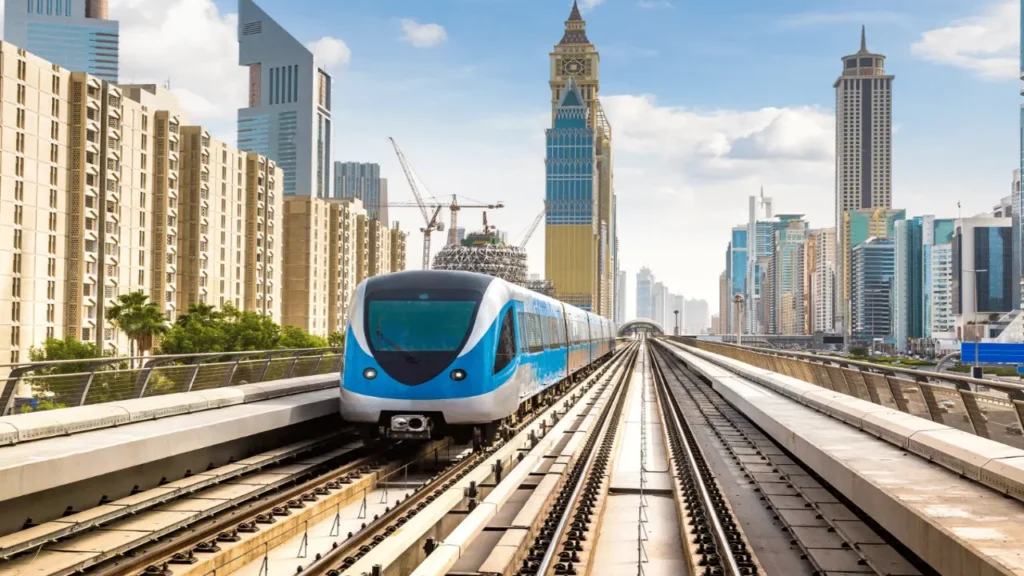
Dubai Metro Ramadan 2026 Timings and Travel Guide,As Ramadan 2026 approaches, daily routines across Dubai naturally shift to accommodate fasting hours, late-night prayers, family gatherings, and social commitments. Recognizing the unique rhythm of the holy month, Dubai authorities have officially confirmed the Dubai Metro timings for Ramadan 2026, ensuring that residents and visitors can move around the city comfortably, safely, and efficiently.
For many people, the metro is more than just transportation it is part of everyday life. From commuting to work before iftar to heading out for suhoor gatherings or Taraweeh prayers, extended and adjusted metro timings play a major role in keeping the city connected during this spiritually significant period.
Dubai Metro Ramadan 2026 Official Timings
During Ramadan 2026, Dubai Metro will operate on an extended schedule designed to support late-night movement across the city.

The confirmed general timings are expected to follow this structure:
From Monday to Thursday, metro services will typically run from early morning around 5:00 AM until 12:00 midnight.

On Fridays, operations will begin slightly later in the morning, around 10:00 AM, and continue until 1:00 AM.
On Saturdays, services will usually operate from 5:00 AM until 12:00 midnight.
On Sundays, trains will run from 8:00 AM until 12:00 midnight.
These extended hours reflect Dubai’s tradition of staying active late into the night during Ramadan, especially after iftar.
Why Ramadan Timings Matter So Much
Ramadan is not just about fasting; it is also about connection, reflection, and community. People adjust their sleep schedules, social lives, and work routines. This creates a strong demand for late-night transport.
The adjusted metro timings allow people to attend prayers, visit family, dine out after sunset, and still return home safely without relying heavily on private vehicles. For many, the metro becomes the easiest way to navigate the city during the month.
In practical terms, longer service hours reduce traffic congestion, cut travel costs, and support a more sustainable lifestyle during Ramadan.
Peak Travel Hours During Ramadan
Although metro services operate for extended hours, certain time slots remain particularly busy.
The first major rush usually happens just before iftar, when people leave offices to head home or to mosques.
The second peak begins after Taraweeh prayers, typically between 9:00 PM and 11:30 PM, when malls, restaurants, and public spaces come alive.
Late-night travel, especially on Fridays and weekends, sees families and friends commuting for suhoor outings, night markets, and cultural events.
Understanding these patterns helps commuters plan better and avoid overcrowded trains.
Special Focus on Night Travel
One of the most appreciated aspects of Ramadan metro schedules is night accessibility. Dubai transforms after sunset, with streets, cafes, mosques, and shopping centers staying open much longer than usual.
Extended metro operations make it easier for people to participate in these activities without worrying about transport availability. This is especially helpful for tourists, who may not be familiar with local traffic conditions or taxi fares.
For working professionals, it also offers flexibility allowing them to attend evening events and still rely on public transport for the journey home.
Accessibility for Worship and Community Events
Mosques across Dubai attract large crowds during Ramadan, particularly for Taraweeh and Qiyam prayers. Many of these mosques are located near metro stations, making the metro a preferred choice for worshippers.
Community iftar tents, cultural festivals, and Ramadan night markets are also often set up near metro-accessible areas. The extended schedule ensures inclusivity, allowing people from all parts of the city to participate without transportation barriers.
This reinforces the idea that the metro is not just a transit system, but a key supporter of Dubai’s social and spiritual life.
Dubai Metro Lines and Coverage
Dubai Metro operates mainly through two major lines:
The Red Line connects key locations such as Dubai International Airport, Deira, Downtown Dubai, and Expo City.
The Green Line serves areas like Bur Dubai, Al Fahidi, and parts of Deira.
Together, these lines cover a wide portion of the city, making it easier for commuters to reach business districts, residential areas, shopping centers, and tourist attractions during Ramadan.
Travel Tips for Ramadan Commuters
To make the most of Dubai Metro during Ramadan 2026, a few practical tips can help:
Try to travel either well before iftar or after peak prayer times to avoid crowds.
Keep your Nol card topped up, as ticket counters may be busier than usual.
Dress modestly and respectfully, especially when traveling near mosques or religious areas.
Stay hydrated when possible, especially if traveling before sunset.
These small habits can make daily commuting smoother and more comfortable.
Impact on Tourists Visiting Dubai
Ramadan is a unique time to experience Dubai. Tourists often worry about restrictions, but the reality is that the city remains vibrant, welcoming, and full of life.
Extended metro timings help visitors explore attractions like Downtown Dubai, shopping malls, cultural districts, and waterfront areas even late at night.
Many tourists find Ramadan evenings to be the most memorable part of their trip, with open-air markets, festive lights, and special dining experiences.
Reliable public transport plays a key role in shaping that positive impression.
Safety and Comfort During Late Hours
Dubai Metro is known for its high standards of safety, cleanliness, and organization. During Ramadan, additional staff and security personnel are typically deployed to manage increased passenger flow.
Well-lit stations, clear announcements, and frequent train services ensure that even late-night travel feels safe and stress-free.
This is especially reassuring for solo travelers, families with children, and elderly passengers.
Sustainability and Reduced Traffic
Extended metro services also support Dubai’s sustainability goals. By encouraging people to use public transport instead of private cars, fuel consumption and carbon emissions are reduced.
During Ramadan, when social activities increase significantly, the metro helps prevent traffic congestion and parking issues, especially in busy areas like Downtown Dubai, Deira, and Jumeirah.
This aligns with Dubai’s long-term vision of becoming a smarter, greener city.
Business and Economic Benefits
From a business perspective, extended metro timings directly benefit the economy.
Retail stores, restaurants, cafes, and entertainment venues see higher footfall because people can stay out later without worrying about transport.
Employees working in night shifts or hospitality sectors also benefit from reliable commuting options.
In this way, Ramadan metro schedules contribute to both social well-being and economic activity.
How Dubai Stands Out Compared to Other Cities
Many global cities reduce public transport services at night, but Dubai does the opposite during Ramadan.
By extending metro operations, the city acknowledges cultural needs and adapts infrastructure accordingly. This approach reflects Dubai’s commitment to inclusivity, innovation, and quality of life.
It is one of the reasons why Dubai is often seen as a global model for urban planning and smart transport systems.
Looking Ahead: A Connected Ramadan Experience
Dubai Metro timings for Ramadan 2026 reflect more than just operational changes they represent a deeper understanding of community needs.
By supporting late-night mobility, the metro helps people stay connected with family, faith, culture, and social life. It removes barriers, reduces stress, and enhances the overall Ramadan experience for everyone in the city.
Whether you are a resident heading to prayers, a worker commuting after iftar, or a tourist exploring the night markets, the metro becomes your silent partner throughout the holy month.
Conclusion: Moving Together Through Ramadan
Ramadan in Dubai is a time of unity, reflection, and celebration. The confirmed Dubai Metro timings for 2026 ensure that the city keeps moving smoothly while respecting the spiritual significance of the month.
With extended hours, strong safety measures, and wide coverage, the metro remains one of the most reliable ways to navigate Dubai during Ramadan.
In many ways, it symbolizes what Dubai stands for a city that adapts, supports its people, and continues to grow without losing sight of cultural values.
Do follow UAE Stories on Instagram
Read Next – Barbossa Abu Dhabi: A Bold Island Escape on Yas Bay