
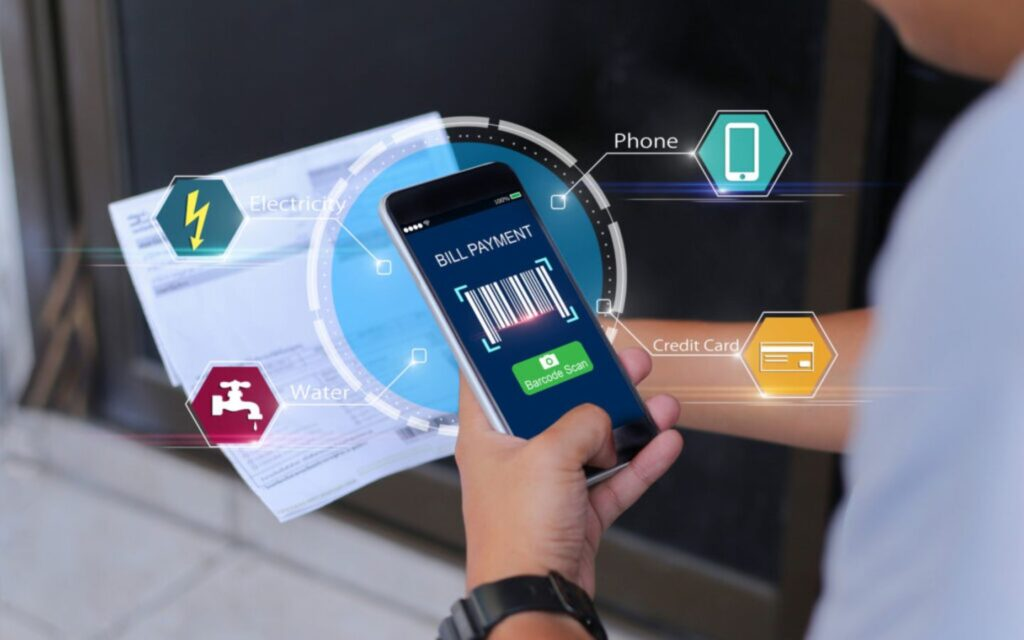
Managing utility expenses is a key part of living in Sharjah. Whether you are a tenant, homeowner, or business owner, understanding Sharjah Electricity & Water Bills helps you avoid surprises and control your monthly budget. The Sharjah Electricity, Water and Gas Authority, commonly known as SEWA, is responsible for providing electricity, water, and gas services across the emirate.
This detailed guide explains SEWA charges, tariff structures, security deposits, billing components, and practical tips to help you manage your consumption effectively.
Understanding SEWA and Its Role in Sharjah
SEWA operates under the Government of Sharjah and supplies electricity, desalinated water, and natural gas to residential, commercial, and industrial customers. Every property in Sharjah must be registered with SEWA to receive utility services.

If you rent a property, the tenancy contract must be registered before activating SEWA services. Property owners must also ensure proper documentation is submitted when connecting utilities for the first time.
SEWA bills are issued monthly and include multiple components beyond just electricity and water consumption. Understanding these components is essential for accurate budgeting.

Components of Sharjah Electricity & Water Bills
Your SEWA bill typically includes the following charges:
Electricity Consumption Charges
Electricity is billed based on the number of kilowatt-hours (kWh) consumed during the billing cycle. Tariffs vary depending on the type of property:
Residential properties
Commercial properties
Industrial properties
Electricity tariffs for residential users are structured in consumption slabs. Lower usage is charged at a lower rate per kWh, while higher consumption falls into higher-priced slabs. This tiered structure encourages responsible energy use.
Water Consumption Charges
Water charges are calculated based on cubic meters consumed. Like electricity, water tariffs may also follow slab-based pricing, where higher usage results in increased rates per unit.
Because most of Sharjah’s water is desalinated, production costs are high, which is reflected in water tariffs. Efficient water usage can significantly reduce your overall monthly bill.
Gas Charges
If your property is connected to natural gas, SEWA also includes gas consumption in the monthly bill. Gas charges depend on usage and the type of property.
Fixed Charges
In addition to consumption, SEWA bills include fixed monthly charges. These may cover:
Meter service fees
Administrative charges
Infrastructure or municipality-related fees
Even if you consume minimal electricity or water, fixed charges still apply.
SEWA Security Deposit
Before activating utilities, customers must pay a refundable security deposit. The deposit amount depends on the type of property and meter load.
For residential apartments, deposits are generally lower compared to villas. Commercial properties and industrial units require higher deposits due to increased consumption capacity.
The deposit is refundable when the account is closed, provided all outstanding dues are cleared. The refund process usually requires submitting a closure request and confirming final meter readings.
How SEWA Tariff Structure Works
Understanding the tariff structure is crucial for controlling Sharjah Electricity & Water Bills. SEWA applies slab-based billing, meaning:
Lower consumption is charged at a lower rate
As consumption increases, higher slabs apply
Higher slabs are charged at increased rates per unit
For example, residential electricity usage within the first slab is billed at a lower rate per kWh. Once usage exceeds that threshold, the next slab rate applies to the additional units consumed.
This system rewards energy-efficient households and encourages mindful consumption habits.
How to Check and Pay SEWA Bills
SEWA offers several convenient ways to check and pay your bills.
Online Portal
Customers can access their account details through SEWA’s official website. By entering the account number, users can view current bills, previous payments, and consumption history.
Mobile Application
SEWA also provides a mobile application for quick bill access and payment. Through the app, customers can:
View monthly bills
Pay using debit or credit cards
Track consumption patterns
Payment Channels
Bills can be paid via:
Online banking
Exchange houses
Self-service kiosks
Customer happiness centers
Late payment may result in penalties or service disconnection, so timely payment is important.
How to Reduce Sharjah Electricity & Water Bills
High temperatures in Sharjah often lead to increased electricity usage, especially during summer months. However, there are practical steps you can take to reduce costs.
Use Energy-Efficient Appliances
Choose appliances with high energy efficiency ratings. Air conditioners, refrigerators, and washing machines consume significant electricity, so upgrading to efficient models can reduce long-term costs.
Maintain Air Conditioning Systems
Regular servicing of AC units ensures optimal performance and lower electricity consumption. Dirty filters force systems to work harder, increasing energy usage.
Monitor Water Usage
Fix leaking taps and pipes immediately. Even small leaks can result in significant water waste and higher bills over time.
Switch to LED Lighting
LED bulbs consume far less electricity compared to traditional incandescent lighting and last longer.
Adjust Thermostat Settings
Keeping your thermostat at a moderate temperature reduces strain on cooling systems and helps lower electricity usage.
Moving In or Out: SEWA Procedures
When moving into a new property in Sharjah, you must activate SEWA services in your name. This requires:
Tenancy contract
Emirates ID
Security deposit payment
Application submission
When moving out, you must close the SEWA account. A final bill will be generated after the last meter reading. Once all dues are paid, the security deposit refund process begins.
Failing to close your SEWA account properly may result in continued billing under your name.
Common Reasons for High SEWA Bills
Many residents are surprised by sudden increases in their Sharjah Electricity & Water Bills. Common reasons include:
Increased air conditioning usage
Water leakage
Additional household occupants
Faulty appliances
Seasonal consumption spikes
Monitoring monthly consumption trends through SEWA’s digital platforms can help identify unusual patterns early.
Why Understanding SEWA Charges Matters
Utility expenses form a significant portion of household budgets in Sharjah. By understanding SEWA charges, tariff slabs, and billing components, residents can make informed decisions that directly impact monthly spending.
The slab system rewards responsible consumption, while digital tools make tracking and payments easier than ever. Whether you are new to Sharjah or have lived here for years, staying informed about your electricity and water charges empowers you to manage your finances confidently.
Sharjah Electricity & Water Bills are more than just monthly expenses. They reflect how efficiently a household uses essential resources. With proper awareness and smart consumption habits, managing SEWA charges becomes straightforward and predictable.
Do follow UAE Stories on Instagram
Read Next – Fujairah Driving & Traffic Rules You Should Know